Self Adhesive Labels Industry In India and The World
The pressure sensitive adhesive labels and packaging industry is growing at a steady and rapid pace in India. It is now time that the contribution of those who have achieved success is chronicled so that those who wish to move ahead have a platform to look for information, news and interaction. This Website intends to provide all that along with inspiration and reference.
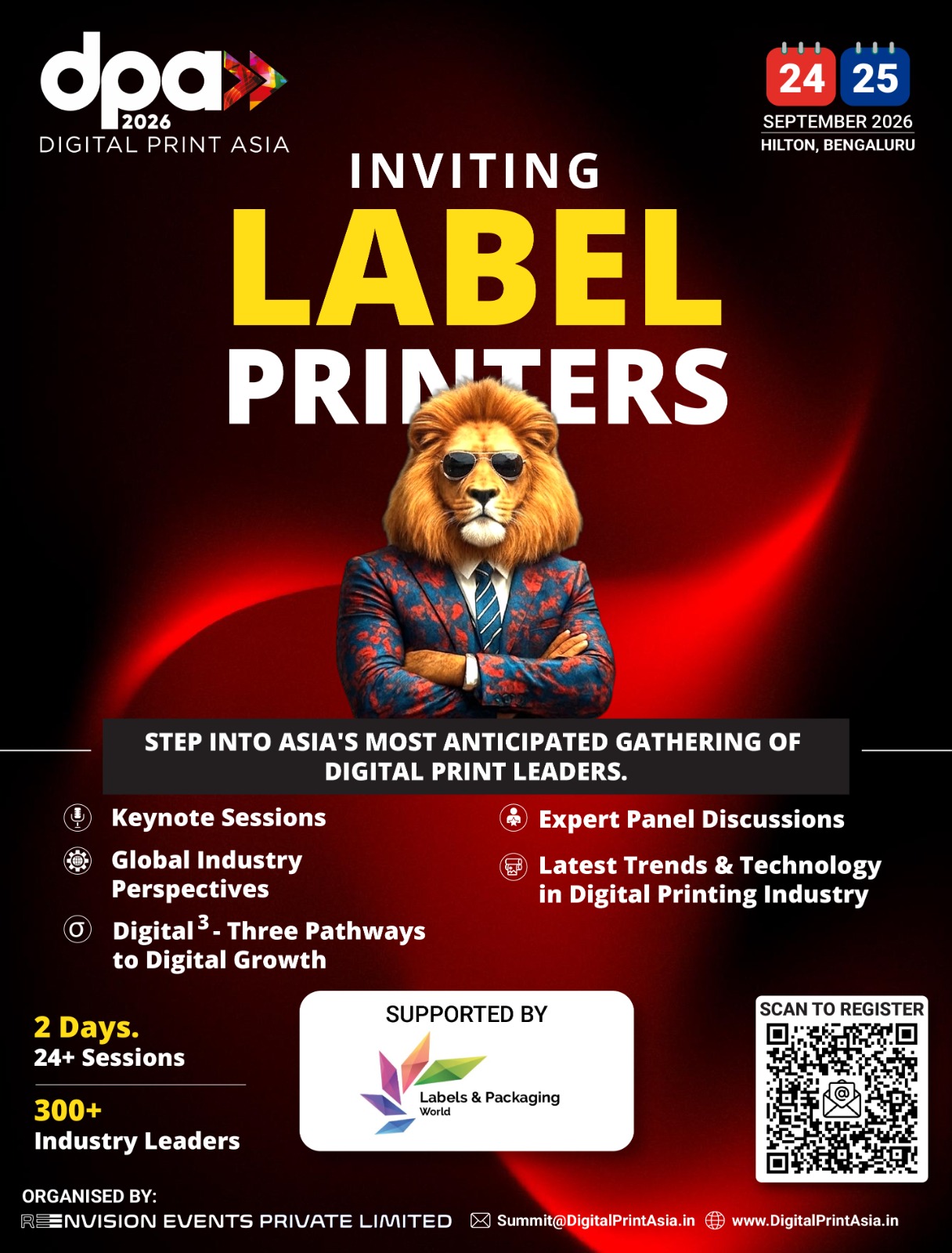
Digital Print Asia (DPA) 2.0 will bring the digital printing ecosystem together on 24–25 September 2026 at Hilton Bengaluru Embassy Manyata Business Park, with this year’s edition centred on: AUTOMATE • ACCELERATE • ACHIEVE.
Moving beyond technology-led conversations, DPA 2.0 will examine how automation, AI, smarter workflows, emerging applications and data-led decision-making can translate into higher productivity, stronger margins and sustainable growth.
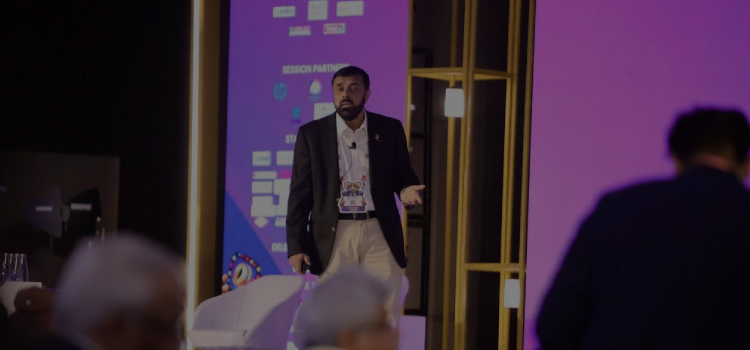
The two-day programme will feature industry leaders including Sergey Belokurov, Shashi Ranjan, Mehul A. Desai, Leonard J. Fernandes, Janus Annunciation, Ajay Aggarwal , Ayush Rathi & many industry leaders bringing perspectives from across the digital print value chain.
A key feature, DIGITAL³, will bring together three pathways to digital growth: Pack to Profit, Press to Publish and Pixels to Product. The tracks will explore opportunities across packaging, publishing and commercial print, focusing on applications, workflows and commercial viability.
Another key takeaway will be the DPA Playbook, a practical resource being developed for printers. Designed as an operations-focused digest, it will capture tools, frameworks, checklists and key session learnings that businesses can refer to beyond the summit while evaluating workflows, productivity and growth opportunities.
DPA 2.0 is backed by leading digital print industry players and technology partners, reflecting strong industry participation behind the platform. The summit is also supported by the All India Federation of Master Printers (AIFMP), while Label & Packaging World comes on board as a media partner, amplifying key conversations and developments across the wider print and packaging ecosystem.
“Digital printing has reached a stage where the conversation must move from capability to commercial impact. DPA 2.0 is designed to help the industry understand where digital can create measurable value, improve productivity and open new growth opportunities,” said Tushar Dhote, Curator, Digital Print Asia.
With 50+ speakers, 24+ sessions and 300+ attendees expected, DPA 2.0 aims to deliver practical learning, meaningful networking and business-focused outcomes.
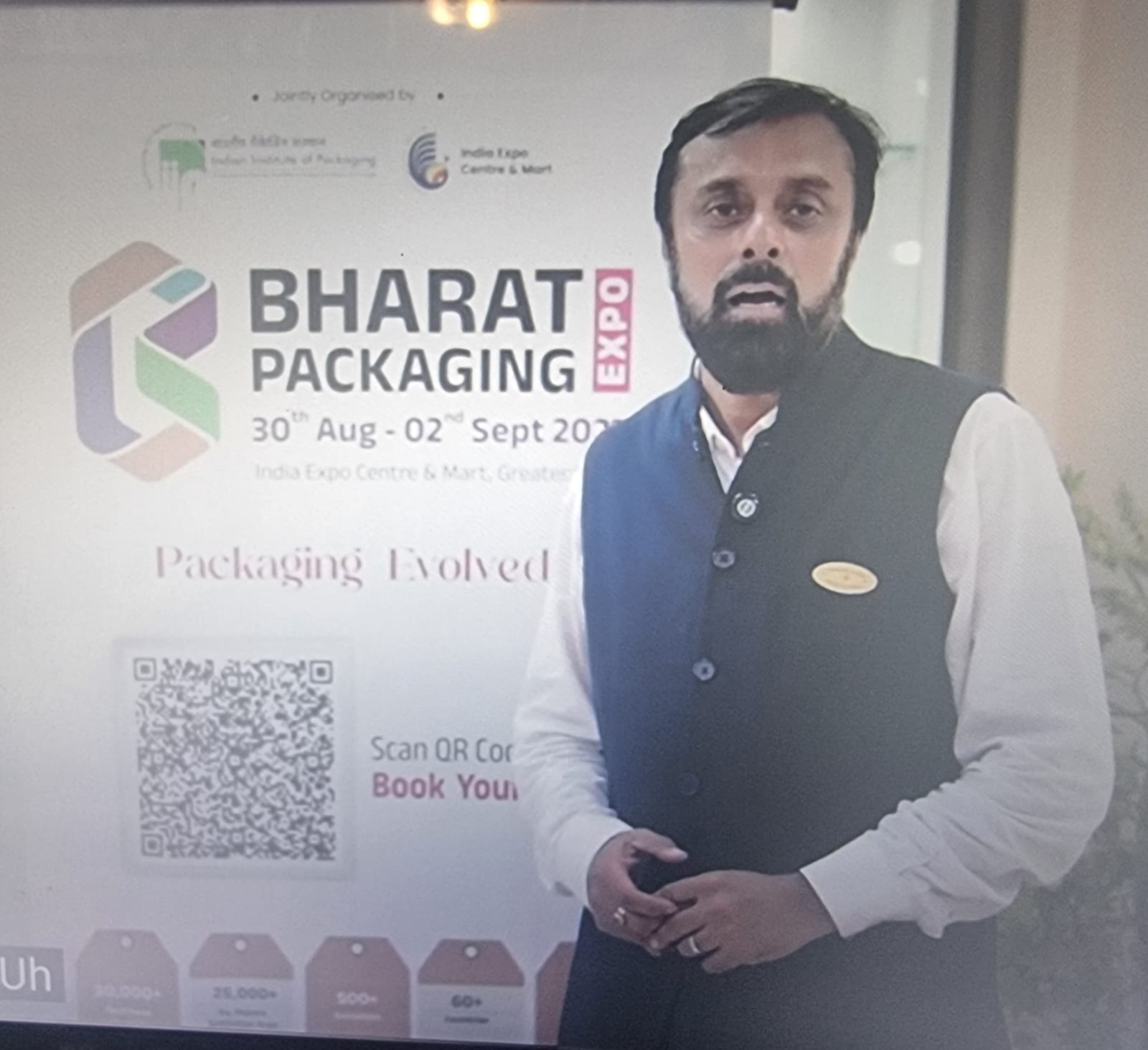
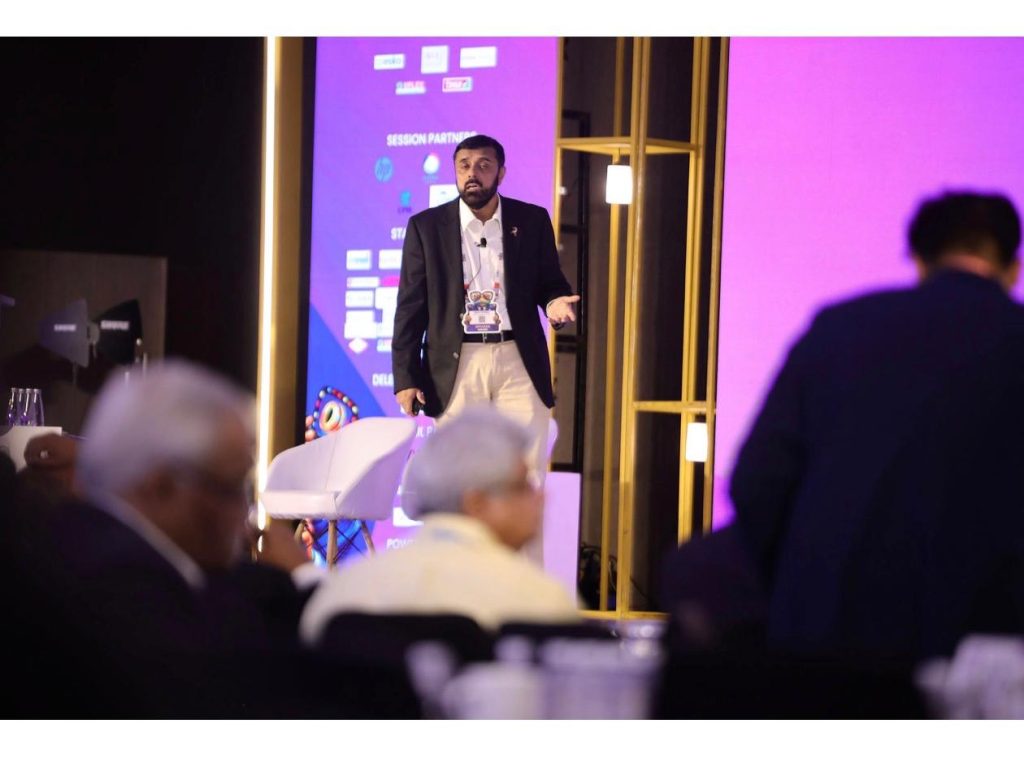
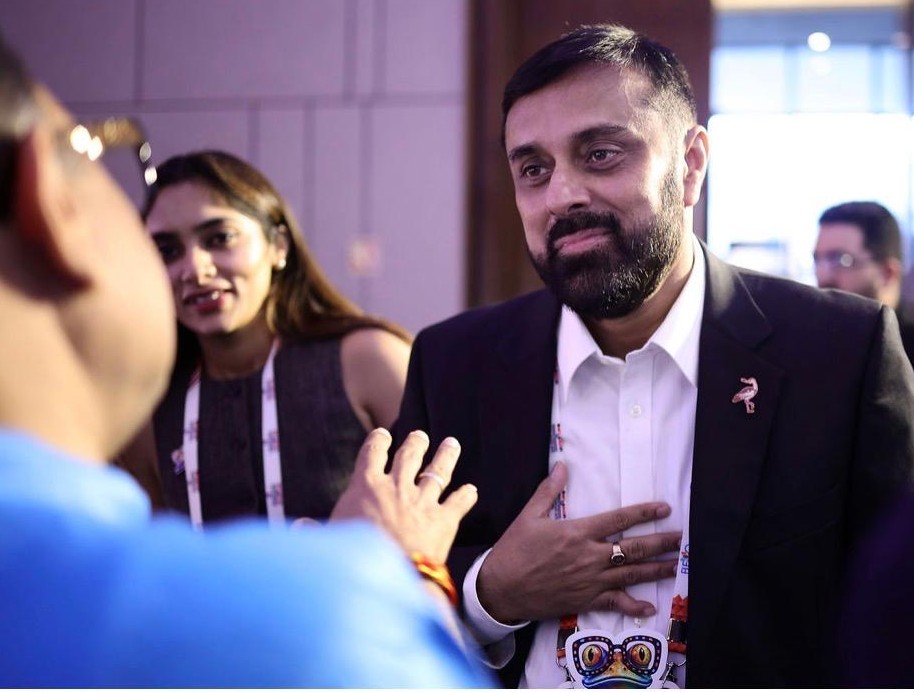
Inside Sanjay Ghoshal’s journey from by lanes of Kolkata to the highways of Indian packaging Industry, and why he believes Indian Packaging Industry has a lot to give to the economic development of our country.
Sanjay Ghoshal is one of the more familiar faces on the Indian packaging conference circuit — a speaker whose sessions draw full rooms and whose career reads like a map of the industry itself. Over three decades he has moved through India Foils, Huhtamaki, Hindustan Unilever, Dr. Reddy’s and Havells, and today he heads packaging development at Diageo India, the global Alcobev major. Audiences keep coming back to hear him because few people have seen the business from as many angles: sales, procurement, supply chain and R&D, on both sides of the packaging value chain.
His family’s story begins with Partition of India. Ghoshal’s parents moved to Kolkata from what was then East Bengal — later East Pakistan, and today Bangladesh — and both went on to spend their careers at the Steel Authority of India Limited (SAIL). He was schooled (during which he won two National Scholarships in 1987 and 1989) and did his undergraduate studies in Kolkata, graduating from Presidency University, Kolkata in 1994, before moving to Mumbai for postgraduate studies in Packaging which he passed with 1st position and Gold Medal from the Indian Institute of Packaging (IIP) in 1996. An internship at Unilever followed, and — while he was still finishing at IIP — a job offer came from India Foils, that he accepted. He never went back to Kolkata. He also went on to complete Advanced post graduate studies in 2009 from Loughborough University, UK as part of the Unilever Technical leadership program.
He spent four and a half years at India Foils and six and half years in Huhtamaki- PPL, based in Mumbai, in a front-line business development role. It set the pattern for the first half of his career: roughly eleven to twelve years on the front line of business, dealing directly with key accounts/customers. He never saw a contradiction between studying packaging technology and building a career in sales. “Sales needs a lot of understanding of packaging,” he says, the two, in his experience, were never really separate disciplines.
A sunrise industry, and a policy tailwind
Ghoshal traces his decision to enter packaging back to the economic reforms of the early 1990s. When the then finance minister Manmohan Singh opened up the Indian economy, it changed the country’s trajectory — dismantling the License Raj and the bureaucratic hurdles that had constrained industry for decades. Packaging, he felt, stood to benefit directly from that shift.
“I was told at that time that packaging is a great opportunity. It was an emerging opportunity because India… as the then finance minister, Manmohan Singh opened up the Indian economy. So that changed the face of the country. And Packaging is great barometer of the economic development of a country. “
The logic was straightforward: as consumption and exports grew, products would need to be packaged well to sell, and the government of the day — keen to protect and promote sectors from cars to food — had every incentive to back the industry. Packaging, in other words, was less a gamble than a bet on where India’s economy was clearly headed. Looking back, Ghoshal believes it was the right call — even if the institution that trained him, IIP, has not kept pace with the industry it helped seed.
Supply side or demand side — which is better?
After more than a decade in sales and marketing at companies like India Foils and Huhtamaki, Ghoshal made a deliberate switch — from the supply side of packaging, where materials and machinery are made, to the demand side, where the brand owners consume them. In the years since, he has held packaging procurement leadership at Havells and supply chain and R&D roles at Unilever, giving him a rare, full view of the value chain from both ends.
Asked which side he would recommend, his answer is candid rather than diplomatic.
“Perhaps I would have done better if I had stayed back in supply side or stayed back in sales roles. On that side, packaging is at the core of their business. In the demand side, packaging is never at the center — it is in fringes of their business.”
At a company like Diageo or Unilever, he explains, the center of gravity is always the product — Alcoholic spirits in his current role or Homecare/Personal care products, when he was at Unilever —packaging remained a critical yet peripheral function. At India Foils or Huhtamaki, by contrast, packaging was not a supporting act; it was the core business. The transition between the two worlds, he adds, is not one many packaging professionals attempt, and it was not easy for him either. Brand-side companies tend to offer better compensation, he notes, but the visibility and centrality that come with being a supplier are harder to replicate.
The Big Bets – paving the patch for future.
In 2014-15, “Development of Medical device” had emerged as a mission critical task for the generic pharmaceutical companies with ambitions to launch their generic formulations in the mature markets like the US and the European Union(EU). It is not only the packaging that needed to work exactly the way the innovator drug did, but also the drug-device combination that warranted similarity from functional and human factor point of view which needed approval by the local FDA. Developing a new drug delivery device from scratch or finding one available with due “Freedom to Operate” turned out to be a serious challenge for the large Indian generic pharma industry. The challenge Ghoshal had to go through during his DRL stint was to accurately characterize innovator drug-device combination and ensure equivalence for the generic device without stepping into the minefield of patents and IP(Indian Pharmacopoeia) barriers. The work Ghoshal did on creating device readiness specifically in the space of complex peptide Injectables for US ANDA (FDA Abbreviated New Drug Application) or other market filings in those early days built the fundamentals for today’s preparedness even with a few Indian device manufacturers. The ability to learn fast- fail fast attitude and entrepreneurial mindset became his biggest companion during those challenging moments.
It was during his stint at Unilever, he was working on creating mono material-based sachet in 2012-2013, way before the current Indian PWM(Plastic Waste Management) mandates of recyclability, mono-materiality circularity came into being. It was an uphill task in those days to find the right solutions in terms of films, ink and over print varnish systems and tear ergonomics of the sachet at the retail just like an otherwise multilayer sachet structure based on oriented film. Understanding the science and engineering behind the seal and perforation jaw design was big deal and incorporating them into the existing VFFS (Vertical Form Fill Seal) machine was even more challenging. Though it was not implemented commercially at that time as a sustainable alternative, it built the toolbox of solutions and learnings which were put to use subsequently when the need for mono-materiality became more compelling post 2000. Passion for innovation, External curiosity and Multi Stakeholder collaborative approach were demonstrated by him at every stage of such a future forward project.
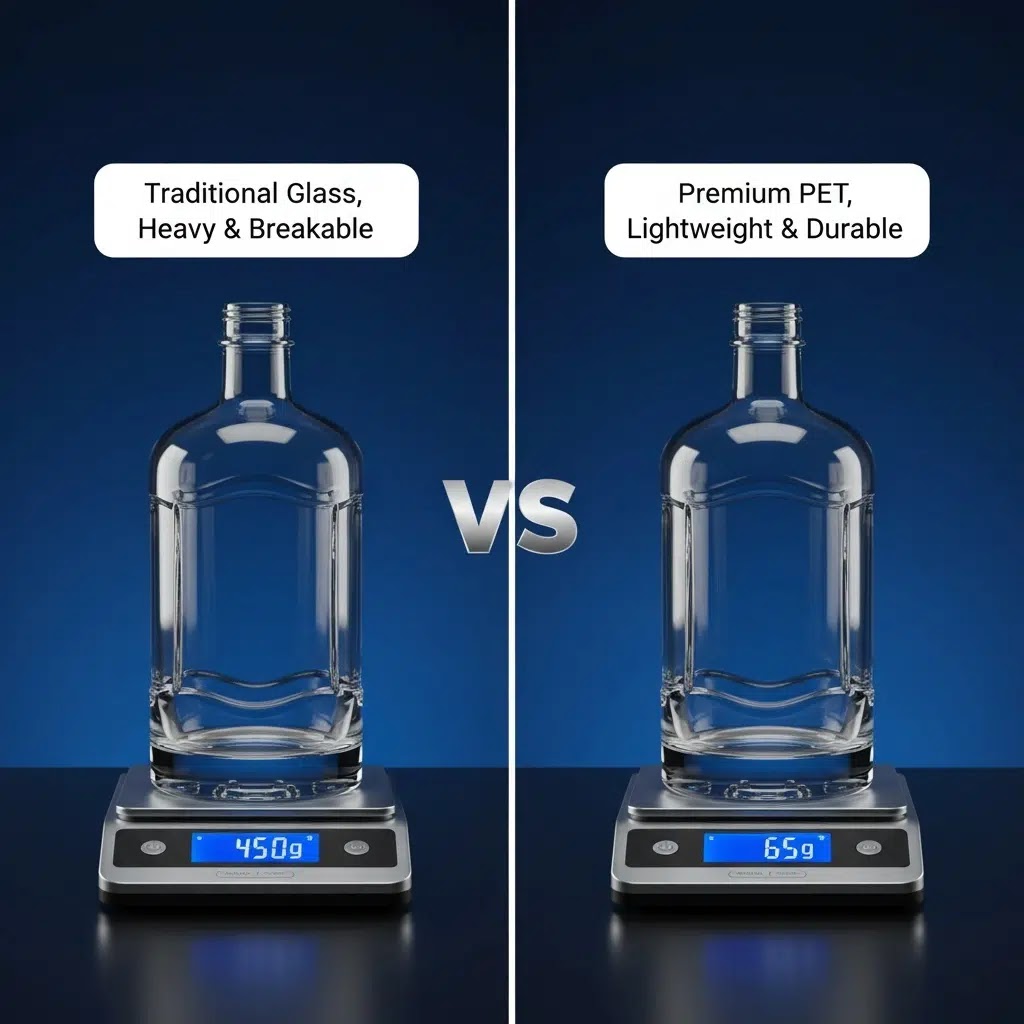
His journey of transition from Glass to PET for the alcoholic beverages segment was an excruciating and exciting one at the same time. The pioneering efforts of shifting an age-old format like glass to a new age format like PET was not only technically challenging to implement at scale but also intellectually stimulating. Technological interventions through supplier collaborations to bring about the lightest PET bottle in the alcobev category without impacting the conventional consumer experience of pouring their favorite liquid from a relatively heavy glass bottle. In 2023-24, there were very few benchmarks or references for designing a PET bottle that had the potential to recruit new consumer cohort and help grow a brand beyond prevalent market growth rates. Since this was adding plastics to Diageo’s overall portfolio, ensuring that the plastic bottle is 100% recyclable, 100% recycled and has the required PCR recycled content, was a non-negotiable imperative. At that time, Diageo became the first alcobev company in India to launch a “glass bottle look alike” PET bottle with 100% PCR FCM recycled PET which was also 100% recyclable and 100% circular. This seminal piece of work lead by Ghoshal had an enormous impact and went on to inspire the future glass to PET shifts across many other brands in the spirits category. Teamwork, decisiveness, agility and focus on progress over perfection helped Ghoshal deliver such a pioneering project for Diageo India.
Looking ahead
Having reached a reasonably senior level with a large brand owner, Ghoshal is candid about what comes next. Staying on the current path, he says, is one option — but the pull toward going back to the manufacturing side of packaging, where his career began, is growing.
“If I really want to use my knowledge, learnings and wisdom which I have gathered over the last 30 years, being fortunate to sit across both sides of the table, then I think I should go back to the packaging industry and try to serve that industry. Because that’s where my heart lies.”
He has not ruled out entrepreneurship — either building something of his own on the supply side or partnering with an existing player to chart new growth. What he is clear about is staying within packaging itself, rather than moving into manufacturing or brand building. “Packaging is my core skill, my core competence,” he says.
Family, and advice for the next generation
Ghoshal’s wife is a business leader at ArcelorMittal. Their two children — a son in class 12 and a daughter in class 10 — are, by his account, charting their own paths: the son toward engineering, the daughter toward the liberal arts. “They get to decide their future for themselves,” he says.
For young people considering a career in packaging, his advice goes beyond technical training.
“Along with their packaging learning, they should also very seriously hone their skills, their communication skills, their executive presence. They should build their leadership skills and continue a strong connect with the industry alongside what they are learning at the institute.”
It is a message rooted in his own career — one built as much on adaptability and frontline experience as on formal packaging education, and one he clearly hopes the next generation, and the institutions training them, will take to heart.
Interviewed & written by Harveer Sahni Chairman Weldon Celloplast Ltd. New Delhi
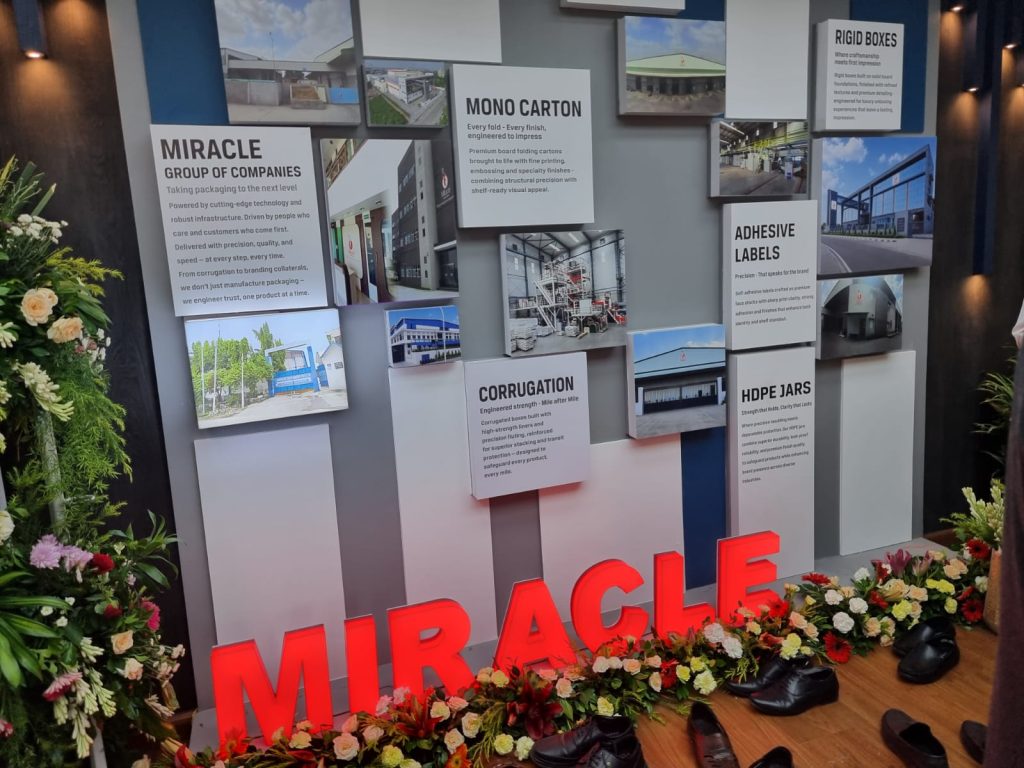
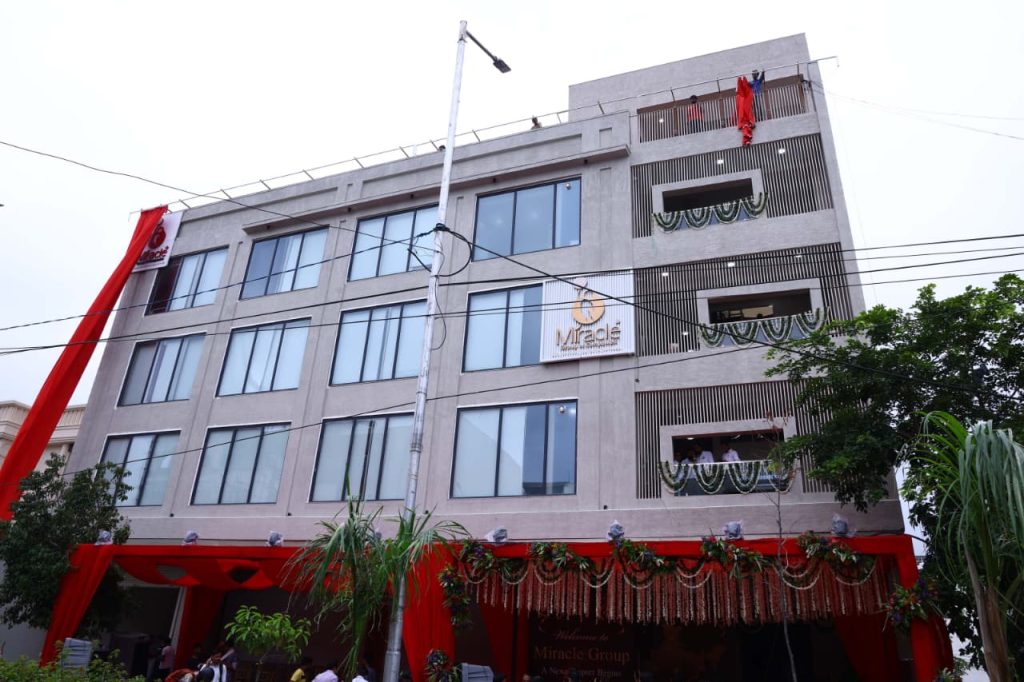
A miraculous story has unfolded in Jaipur. Three visionary brothers, Hemendra Agarwal, Lokesh Agarwal, and Amit Agarwal set up a corrugated box manufacturing unit in 2009. Spinning out a rapid growth story, in the next 17 years, their MIRACLE GROUP have become an organisation to watch. They are now multi location and diversified packaging group, providing Flexible Packaging & Pouches | Corrugated Boxes | Mono Cartons | Labels | HDPE Jar | Advertising Material and aiming to set up India’s first packaging park. With over 1,500 dedicated employees, the group continues to enhance the glow and vibrancy of having created this “Miracle at Jaipur!”
Last week leading industry suppliers and media started receiving cordial personal and repeated invites from the brothers to attend the opening of Miracle group’s new office on 22nd July 2026. Such was the warmth of their invitations that we saw leading names in materials, consumables and machine suppliers travelling from far to mark their attendance at this august event.
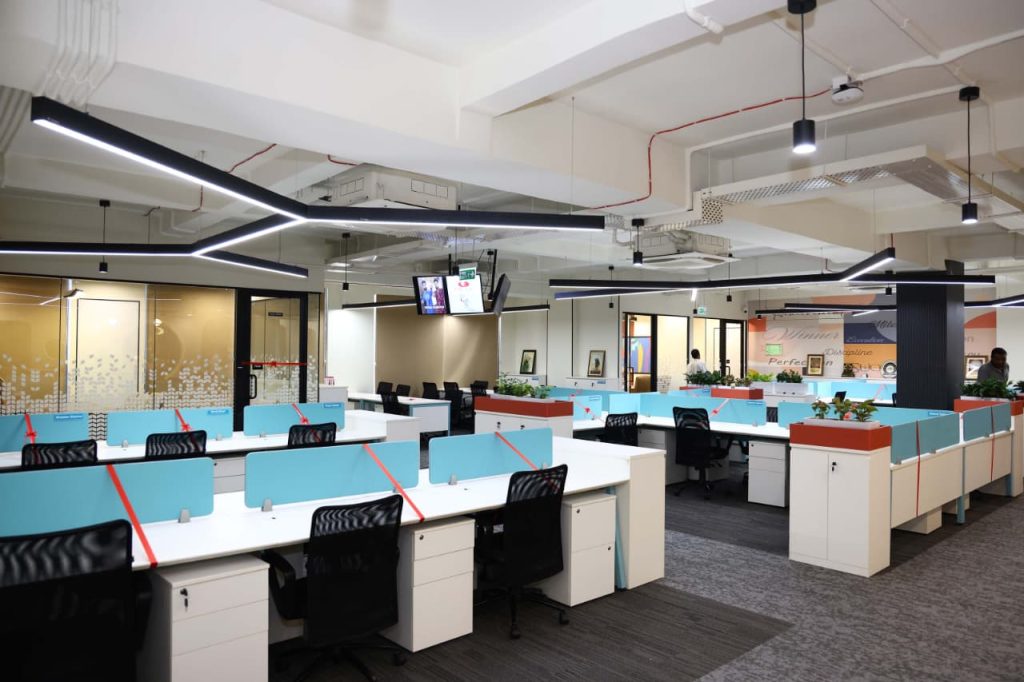
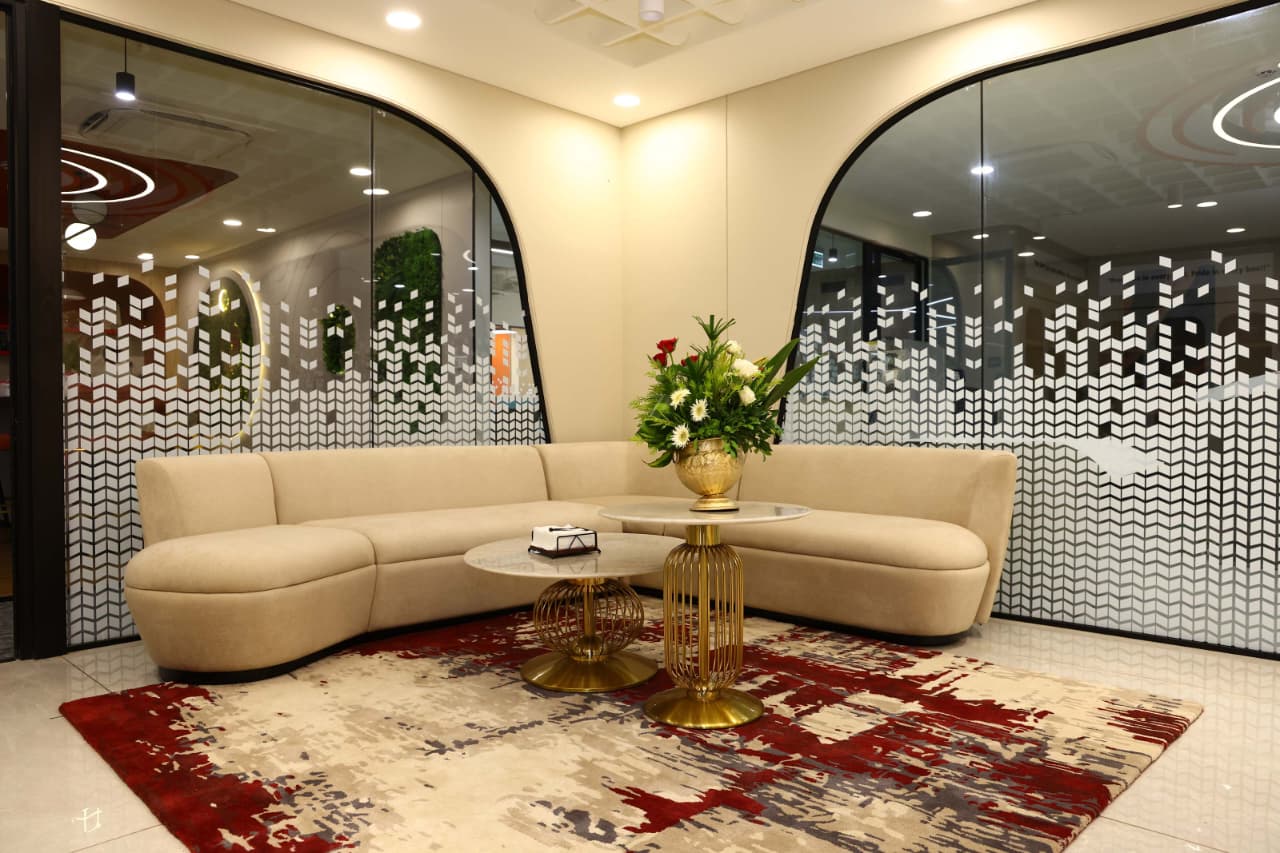
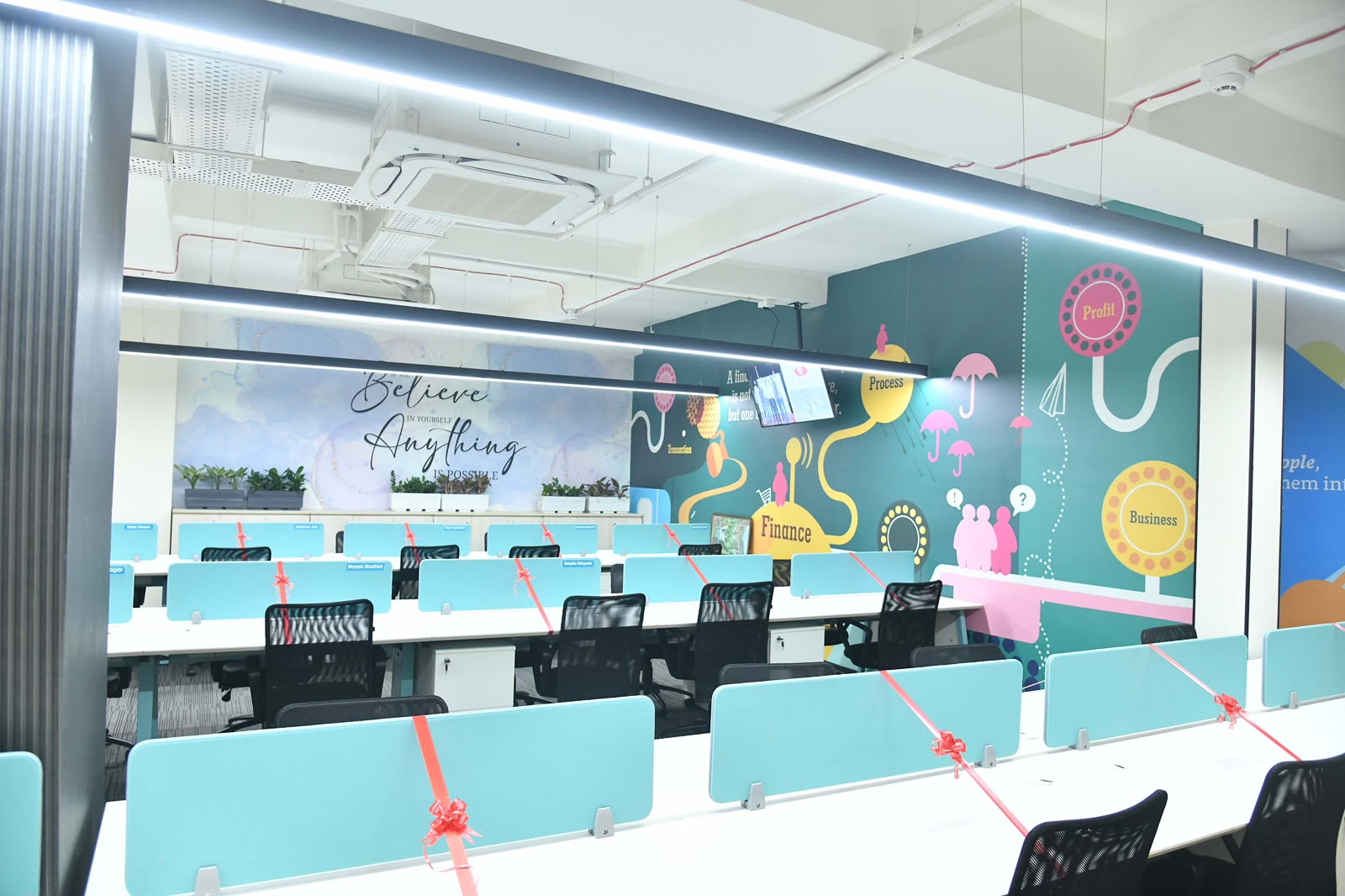
Following a religious ceremony seeking the almighty’s blessings for more and continued success. The Miracle group family and team made efforts to showcase their new office to all the visitors. The new four-story building has scintillating décor. Everything has been created with precision, whether it is a dedicated floor for accounts and finance team with a boutique pantry or the sales and marketing team’s floor with multiple small conference rooms with an interesting soundproof phone booth where the sales persons could exchange pleasantries with cordial customer friends or finally the directors’ area. The facility also has an interesting podcast room. Images of the facility are produced below.
The lunch for all visitors was sit-down affair with a lavish spread. After traditional Savouries Gol Gappas, Chat etc. an amazing dal Moradabadi, the pizzas, Indian cuisine, Chinese, Korean a lot more was there. Followed by a large rollout of sweet dishes. The hospitality was
par excellence with staff attending personally to each guest. Congratulations miracle group, you really created a “Miracle at Jaipur!”
The author will later cover the complete journey and success story of Miracle Group on this blog.
Written and collated by Harveer Sahni Chairman Weldon Celloplast Ltd. New Delhi July 2026
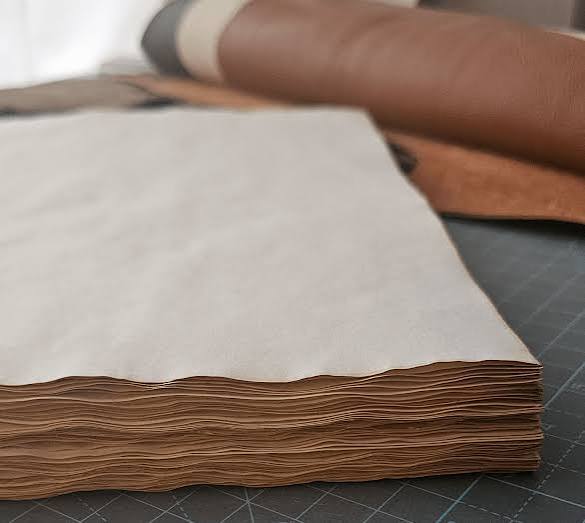
For over four decades the author worked with paper as labelstock manufacturer. Reels of paper received fresh from the mill were often cool to the touch, a sign of higher moisture content, since evaporation causes cooling. Paper is hygroscopic: made of cellulose fibres with a natural affinity for water, every sheet, reel, or board continues to exchange moisture with the surrounding air throughout its life. This never-ending “breathing” lies behind more printing and converting problems than almost any other variable—curl, cockle, misregistration, static, brittleness, poor lamination bonds, weak corrugated boxes, and inconsistent print quality all trace back to moisture, directly or indirectly.
This article covers why moisture content (MC) matters, ideal levels for different papers and boards, and its effects on costing, printing, converting, storage, and incoming QC.
1. What “Moisture Content” Means and Why Paper Holds Water
Moisture content is expressed as a percentage of total paper weight:
Cellulose fibres have hydroxyl (–OH) groups that hydrogen-bond with water in the air. As relative humidity (RH) and temperature change, paper absorbs or releases moisture until it reaches its equilibrium moisture content (EMC); where it neither gains nor loses water relative to its environment. Due to hysteresis, paper drying down settles at a slightly higher EMC than paper wetting up to the same RH, so the sheet’s moisture history matters, not just current room conditions.
Equilibration moisture content time scales with thickness: thin sheets typically take 30 minutes, typical offset sheets 2–4 hours, thick boards considerably longer—which is why acclimatisation matters before running paper.
2. Ideal Moisture Content by Paper and Board Type
There is no single “correct” level; it depends on grade, coating, and process. General benchmarks:
Paper / Board Type
Typical Ideal Moisture Content
Digital printing papers
4.5% (minimises curl, aids toner adhesion)
Offset (sheetfed) papers
5.5–6%
Coated woodfree / art paper & board
4.5–5.5% (higher risks heatset blistering)
Uncoated woodfree
5–6.5%
Newsprint
7–8%
Tissue
2–7%
Corrugated medium/liner
7%
Kraft paper (sack/wrapping)
6–8%
General stock before conversion
4–6%
Most commercial papers are made to 4–6% absolute MC and expected to stay stable in a 45–55% RH environment. The right number should ultimately come from the mill’s technical data sheet and your own experience, these are starting benchmarks, not universal law.
3. Moisture, Weight, and Costing
Paper is sold by weight, so moisture is sold too. A reel at 6% MC holds more water-weight than the same reel at 4%, despite identical fibre content—buyers effectively pay paper prices for water.
Paper gains or loses weight after leaving the mill depending on warehouse, transport, or pressroom RH relative to its EMC (picking up moisture in humid monsoon transit, losing it in dry heated winter storage). This is why mills use moisture-barrier packaging and why unwrapping paper to sit unconditioned is risky.
Wrong moisture is a hidden cost centre even at correct invoiced weight: it surfaces later as makeready waste, wash-ups, misfeeds, static downtime, rejects, and rework—costs that hit the job sheet, not the paper invoice.
Conditioning (45–55% RH air handling) costs energy, but unconditioned press halls usually cost far more in spoilage.
Worked example: A modest labelstock maker converting a million m² uses approximately 70 tons of face paper. At 6% moisture that’s 4.2 tons of water versus 2.8 tons at 4%, a 1.40-ton difference. At Rs. 75/kg, that’s a loss of Rs. 1,05,000 per month (Rs. 12.60 lakhs per year). The bigger the consumption, the bigger the loss when paper is supplied above EMC.
4. Expansion, Shrinkage, and Effect on the End Product
Paper is hygroexpansive—it expands when it gains moisture and shrinks when it dries. Critically, this is non-uniform: expansion is far greater across the width (cross-direction, CD) than along the length (machine-direction, MD), because fibres align predominantly in the MD during manufacture.
In labelstock siliconizing, paper passes through a hot tunnel up to 160°C; width visibly reduces from 1020 mm to 1010 mm from moisture loss, though it substantially regains width after rehumidification.
A 10% RH change shifts width by roughly 0.1–0.2%—tiny, but on a large sheet or long run enough to throw off image size, panel fit, and diecut register.
Paper that swells (from pressroom, water-based ink/coating, or ambient humidity) then shrinks when dried, but rarely back to original dimensions and rarely evenly.
Consequences: labels/cartons that no longer fit their container; folding cartons whose panels misalign; laminates that curl or blister as paper shrinks against dimensionally stable film; and text/image creep front-to-back in a bound book block.
This is why the same sheet behaves differently on a humid morning than a dry afternoon—operators aren’t imagining it.
5. Moisture’s Effect on Edges: Cutting and Slitting
Edges are the most moisture-sensitive part of a sheet or web, exchanging moisture faster than the interior.
Wavy (“cockled”/loose) edges: edges picking up more moisture than the centre expand and become baggy, causing uneven feeding, slitting drift, and telescoping rolls.
Tight edges: dry edges relative to a moist centre pull tight, creating a dished “tight-edge” curl that jams sheetfed gear and causes web breaks.
Cut quality: overly dry paper turns brittle at the edge, micro-cracking, dust/fibre “fluff,” and ragged feathered cuts that contaminate blades and downstream units, showing as pinholes in solid-ground printing.
Dimensional creep: cross-width moisture variation makes slit widths vary edge-to-centre, failing width tolerances in narrow-web converting.
Edge trimming and re-conditioning, or simply acclimatising wrapped paper in the pressroom before opening, is standard best practice.
6. Overdried Paper: Brittleness and Static
Too-low moisture brings two linked problems:
Brittleness: dry fibres lose flexibility, giving hard papers that break on the web, lack print cushion, and crack when folded, showing up as cracked folds, split scores, and web breaks on high-speed presses.
Static: dry air and paper are poor conductors, so friction from feeding and separation builds static rather than dissipating it. Below 40% RH, sheets can build electrostatic charge, sticking together and attracting dust.
Combined converting impact: double-feeds/misfeeds, dust-attracted print defects and coating pinholes, poor stack squaring, brittle cracking at creases, and increased scrap and downtime for static-bar adjustment.
7. Dimensional Stability, Curl, and Strength
These three properties are tightly linked to moisture and each other:
Dimensional stability—holding size and shape as conditions change, is governed by fibre orientation, moisture variation, and any bonded coatings/films.
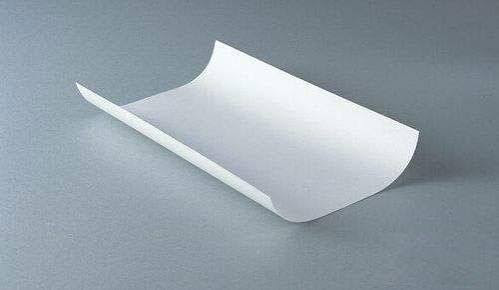
Curl occurs when moisture differs between a sheet’s two faces, common with coated papers (one-side barrier coating) or one-side-printed sheets (ink/press water wetting one face). The wetter side expands more, curling the sheet toward the drier side. Uneven face/liner movement in a laminate can cause tubing, rendering product unusable.
Strength (tensile, tear, burst, fold endurance, edge crush) peaks within a specific moisture band: too little makes fibres brittle and fracture-prone; too much softens fibre-to-fibre hydrogen bonds, cutting stiffness and compressive strength, that is why corrugated loses stacking strength in humid warehouses.
Good register, flat delivery, and consistent folding all depend on keeping moisture and moisture uniformity in a tight band.
8. Moisture Effects Across Paper & Board Types
Substrate
Moisture-Related Behaviour
Applications Affected
Uncoated woodfree
Forgiving; absorbs press moisture, prints predictably, curls if imbalanced
Stationery, books, forms
Coated paper/board
Surface-sensitive; excess moisture blisters in heatset drying, too little cracks on creases
Labels, cartons, magazines
Kraft paper
Strong, tolerant of swings, but wets and expands significantly
Bags, sacks, wrapping
Corrugated board
Very sensitive; flute geometry and adhesive bond weaken as MC rises
Very fast equilibration; needs tight humidity control
Hygiene products
9. Moisture and Printing Processes / Inks
Sensitivity varies by process:
Offset (litho): most moisture-sensitive, since the process adds water via fountain solution. Too-dry sheets absorb solution unevenly and pick less ink; too-moist sheets upset ink-water balance and slow drying. Run at 40–60% RH (optimum ~50–55%) to avoid curl, creasing, and dot doubling.
Letterpress: no fountain solution, but fully subject to dimensional, curl, brittleness, and static effects.
Flexography: water-based inks make substrate moisture affect absorption/drying directly, especially on absorbent papers and kraft.
Rotogravure: less humidity-sensitive (fast-drying inks in engraved cells), but web tension and register on long runs still shift with moisture.
Digital laser (toner): sensitive via the heat-fuse step, excess moisture flashes to steam causing curl/blistering/poor adhesion; too dry, static disrupts feeding. Needs 50–55% RH.
Digital inkjet: absorbency and moisture affect dot gain and drying; prefers 45–55% RH to prevent ink spreading.
Ink type matters: oxidative/absorption-drying inks (litho, letterpress) depend on paper absorbency and fountain-pH interactions; water-based flexo inks depend on absorbency; solvent inks resist sheet moisture but not dimensional movement; UV inks are least sensitive during cure, though the substrate still moves and curls.
10. Does Moisture Impact UV Printing?
UV inks cure by photoinitiated polymerisation, not evaporation or absorption, so moisture doesn’t interfere with the curing chemistry—a key UV advantage. But moisture still matters indirectly:
The substrate still expands, shrinks, curls, and builds static exactly as for any process.
Poor ink holdout on moist, absorbent sheets can cause uneven gloss or mottle.
Static from dry/brittle stock still causes feeding and stacking problems.
Intense lamp heat can flash off surface moisture unevenly, occasionally causing localised curl.
11. Moisture, Registration, and pH
Registration: Multi-colour jobs need the sheet to hold a precise, repeatable size pass-to-pass. Since moisture-driven change is mainly cross-direction, uneven moisture between passes—or drying over a long run—shifts dot position. Tolerances are often ±0.1%, yet a 15°C temperature change at constant humidity can shift EMC by ~0.5%, enough to cause visible misregistration or ghosting. Sheetfed printers therefore often run paper slightly above final EMC, letting the press’s own heat and fountain solution move it toward equilibrium predictably.
pH: Water is the medium through which acidic/alkaline components become chemically active.
Paper pH ranges ~4.0–8.0; most modern (alkaline-process) paper falls at 6.0–8.0.
Acidic paper slows ink drying—below pH 5 drying can nearly stop, worsened at high RH as extra water drives hydrolysis. Strongly acidic paper can emulsify ink and cause scumming.
In offset, control temperature (20–23°C) and RH (50–60%) to manage acidity/moisture drying issues.
Highly alkaline paper (pH >9) neutralises the fountain solution’s acidity, causing its own press-control problems.
For archival work, neutral-to-slightly-alkaline (pH ~7) is preferred, since acidic paper yellows and embrittles over time.
12. Moisture and Coatings (Water-based, Solvent, Hotmelt, UV)
Each system interacts with substrate moisture differently:
Water-based: rely on the substrate absorbing water to set, a near-saturated (high-MC) sheet accepts it slowly, extending drying, risking blocking, and increasing curl; an overly dry sheet absorbs too aggressively, causing mottle.
Solvent-based: less affected during drying (solvent evaporates, not water), but residual water pickup and solvent-driven fibre swelling still cause curl/register shift.
Hotmelt: set by cooling, but application heat flashes surface moisture unevenly and trapped moisture can steam-blister the bond.
UV-curable: most moisture-tolerant at cure, but substrate moisture still governs wetting/holdout and dimensional stability.
General rule: coatings interact with a substrate actively gaining/losing water, so substrate moisture control before coating is as important as coating chemistry.
13. Impact on Corrugated Box Compression Strength
One of the most commercially important and measurable effects:
Stacking strength depends on edgewise compressive strength of liner and fluting (ECT), and high humidity softens fibres and directly reduces that strength.
Corrugated fibres gain/lose moisture rapidly in warehouse climates, and even minor RH shifts change flute stiffness and liner compression strength, which is why ECT (Edge Crush Test) standards condition specimens at 23°C and 50% RH for at least 24 hours before testing.
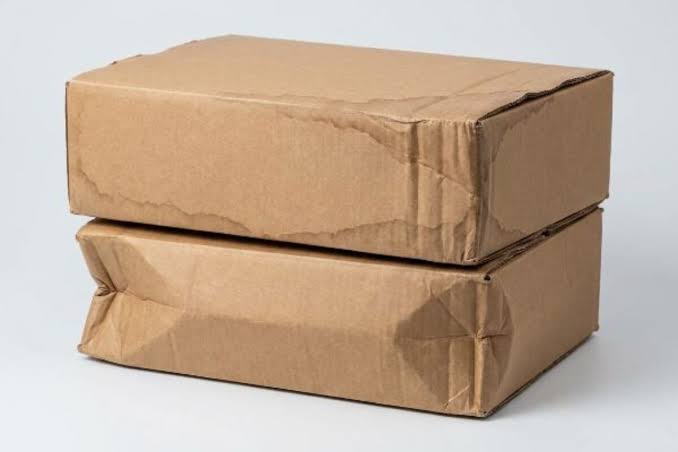
The scale is large: at 50% RH a box retains rated strength, but at 80% RH it typically falls 30–40%, and at 90% RH by 50% or more, because moisture breaks the hydrogen bonds giving corrugated its stiffness.
Kraftliner and fluting are less moisture-sensitive than recycled-fibre materials, and recycled liners absorb moisture faster, accelerating short-term strength loss.
Implication: a box rated in the lab may be far weaker in a humid warehouse or ocean freight—hence building in safety margin and keeping pallets off damp floors.
14. Storage Conditions
Storage is a first line of defence, not an afterthought:
Store at 20–24°C and 45–55% RH; most papers are designed to be stable in a 45–55% RH environment at 72°F, close to the 23°C/50% RH conditioning atmosphere used for testing.
Keep reels/reams wrapped until use—mill wrapping is a moisture barrier; once broken, paper moves toward room EMC immediately.
Avoid storing directly on concrete floors or against exterior walls (cooler/damper, risk condensation).
Stack away from doors, docks, HVAC vents, and sunlight.
Acclimatise paper in the run environment before unwrapping (hours for sheets, longer for boards), especially when moving between different-RH environments.
Rotate stock (FIFO) to avoid seasonal humidity pickup.
15. Does Moisture Impact Caliper (Thickness)?
Yes. Absorbing water swells fibres in the Z-direction (Basically referring to the thickness) too, so the same board reads higher caliper at high MC than when conditioned drier—independent of basis weight. This affects:
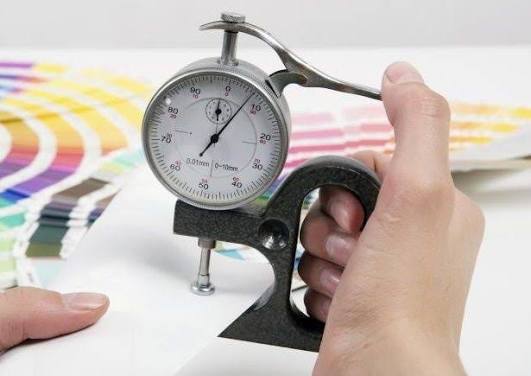
Spec compliance—caliper checks on receipt should be done at (or corrected to) standard conditioning.
Bulk and rigidity—moisture-swollen caliper is less stiff per unit thickness, so a “thicker” wet sheet can feel limper than a thinner conditioned one.
Feed and register—off-spec caliper (from moisture, not fibre) affects nip pressures, gripper settings, and die-cut depth.
16. Environment on Printing and Converting — Summary
Ambient temperature and RH influence every stage:
Feeding/handling: static (too dry) or blocking (too humid).
Packaging/shipping: reduced box compression and dimensional creep.
Common thread: stability matters as much as the exact number. A plant steady at 50% RH out-performs one swinging 30–70% even at the same average—because change, not a static condition, drives dimensional and strength shifts.
17. Tests on Receipt of Paper and Board
A structured incoming-QC routine catches problems before press-time:
pH check: a low-cost surface test flagging slow-drying, scumming, or fountain problems before the press.
18. Packing and Storing Converted Products
Finished products are still hygroscopic:
Re-wrap or shrink-wrap promptly to slow moisture exchange, especially before long storage.
Palletise off the floor and away from walls using slip sheets/pallets.
Maintain the same 45–55% RH, moderate-temperature storage—finished goods are as vulnerable to curl, shift, and compression loss as raw stock.
Keep products away from transport temperature extremes (unheated trucks, non-climate containers).
For corrugated cartons, avoid prolonged high-humidity exposure (outdoor storage, humid ports)—compression can drop 30–50% at high RH.
Store label/pressure-sensitive stock flat, away from heat—uneven laminate pickup causes curling and adhesive failure.
Key Takeaways
Paper never stops moving, it exchanges moisture with its environment for its whole working life.
Every grade has an ideal moisture band; there is no universal number.
Moisture costs money directly (sold by weight) and indirectly (spoilage, downtime, rework).
Dimensional change is uneven—more across width than length—so problems appear as curl, cockle, and register drift, not uniform stretching.
Too much moisture weakens bonds; too little makes fibres brittle and static-prone. Both extremes cost you.
Environmental stability matters as much as the exact target.
A disciplined incoming-QC routine—moisture, caliper, strength, surface, pH—catches problems before downtime.
This article is a technical overview for printing and converting professionals. Confirm specific moisture targets, test methods, and tolerances against your supplier’s technical data sheets and relevant standards (TAPPI, ISO) for your grade and application.
Authored by Harveer Sahni Chairman Weldon Celloplast Ltd. New Delhi July 2026
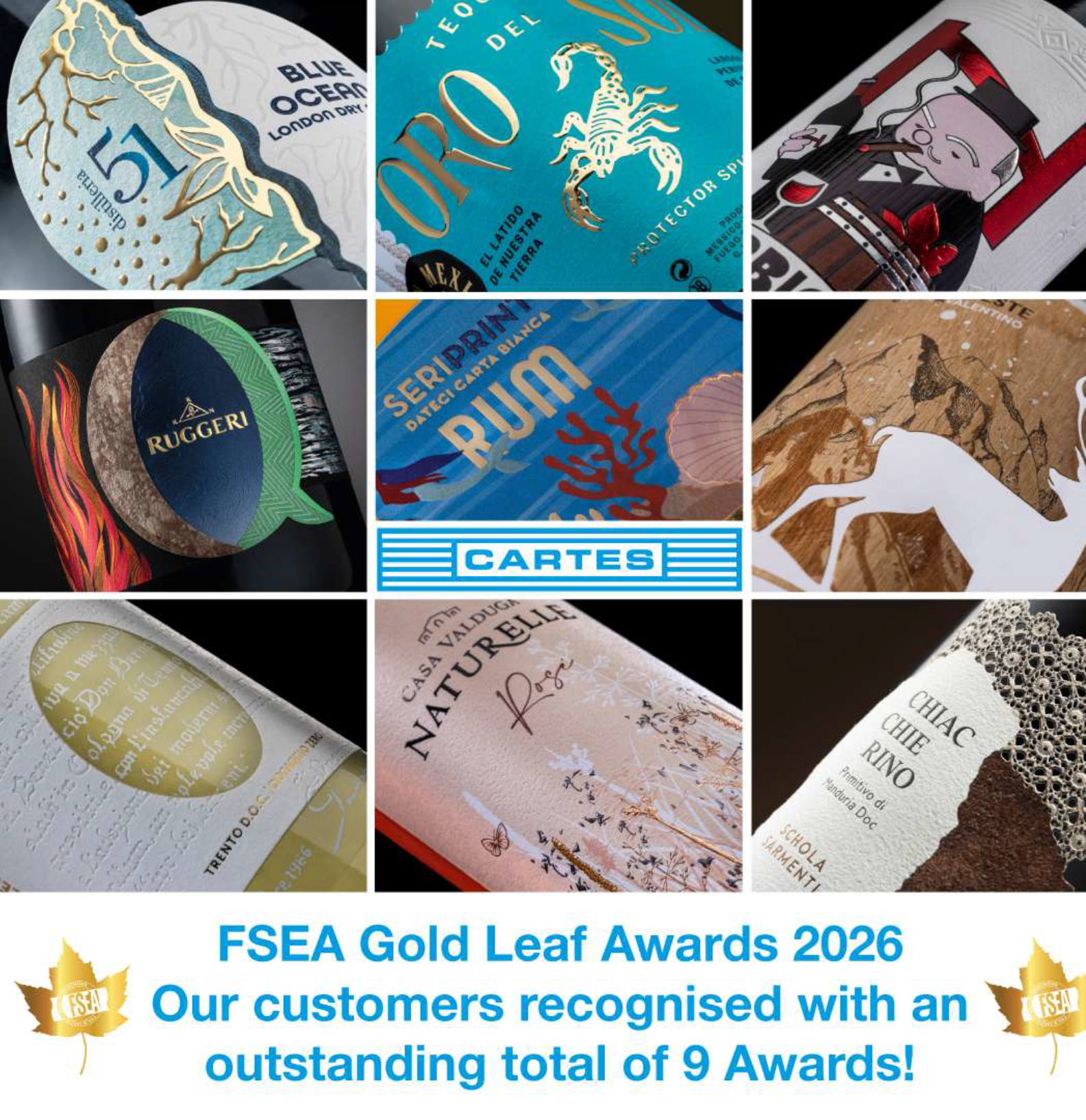
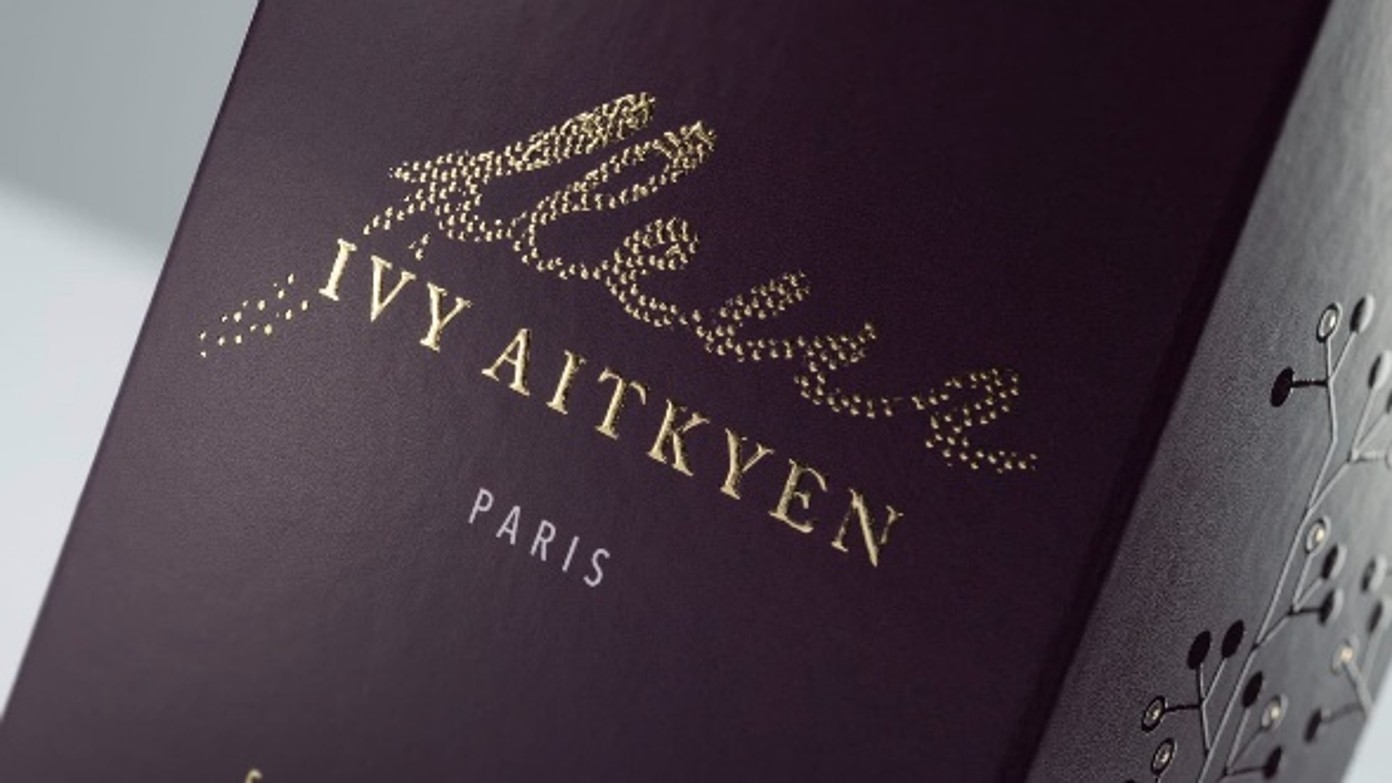
An international achievement that highlights the collaboration between technology, creativity and production quality in the premium label sector. CARTES is proud to announce that, in collaboration with distinguished customers, has received a total of 9 prizes at the FSEA Gold Leaf Awards 2026, held in Nashville, USA: 5 Gold, 1 Silver and 3 Bronze. The Gold Leaf Awards are one of best international reference events, recognizing excellence in printing, embellishment and special effects applied to packaging & visual communication. The award-winning labels were produced in collaboration with leading converters, confirming the value of CARTES technologies in the production of labels with strong aesthetic, technical and communication impact. The recognized works are the following categories:
Best Use of Laser Cutting
Best Use of Digital Embellishments – Label Creative
Best Use of Digital Embellishments – Label Technical
Best Use of Foil/Embossing – Label Digitally Printed
Best Use of Foil/Embossing – Label Creative
This significant achievement confirms the ability of CARTES solutions to help customers produce distinctive labels, combining technical precision, creativity, advanced finishes with high-end embellishments and digital converting.
Thanks to its modular technologies for printing, embellishing, and converting self-adhesive labels, CARTES supports converters in developing premium items designed to enhance brand
value and differentiate products in the market.
“We are extremely proud to share this important achievement with our customers,” says Enrica Lodi, CMO of CARTES. “The nine awards received at the Gold Leaf Awards 2026 demonstrate the value of the collaboration between CARTES technology, the production expertise of converters and the creativity of designers applied to the label industry. Each award-winning label is a concrete example of how innovation and quality can
transform packaging into a distinctive experience.”
This success further strengthens CARTES’ commitment to the development of innovative solutions for label finishing and confirms the company’s role as a technological partner to produce high-value premium labels. Images of the award-winning labels for the award-winning categories are:
Latest innovation delivers up to 50% faster print speeds and 25% more battery life over any prior Pathfinder® generation
Built to solve the pressures retailers and logistics operators face by enabling faster associate onboarding
Adapts to existing user workflows while supporting labor and operational efficiencies
Avery Dennison, a global leader in materials science and digital identification solutions, today announces the launch of its latest unified handheld label printer, Pathfinder® Edge™.
The launch marks the most material step change yet in the 40-year history of the device. Engineered to help retailers and logistics operators move faster and work smarter on the shop floor and across the supply chain, Pathfinder Edge combines scanning, printing and label application in a single ergonomically enhanced device. The result is a tool that prints up to 50% faster than its predecessor, with up to 25% longer runtime on a single charge. It delivers significantly more labels per charge compared to prior models, keeping workflows moving through the busiest warehouse or shop floor shifts.
As a connected platform designed to fit seamlessly into modern data-driven operations, Pathfinder Edge is built to handle the full range of in-store and in-warehouse tasks, from price marking and markdowns to routing labels.
Key benefits include:
Accuracy and throughput: Quick-scan trigger for rapid, accurate barcode capture in high-volume environments
Trained in minutes, not days: An interface that makes training quicker and day-to-day use simpler
Advanced connectivity with NFC, Wi-Fi 6e and Bluetooth®, keeping the device in sync with the operations stack
Minimized unplanned downtime: Predictive monitoring flags issues before they cause failures
When used with appropriate Avery Dennison labels, Pathfinder Edge addresses specific challenges across the retail and logistics industries:
In parcel logistics, faster and more accurate print-and-apply means higher throughput, fewer misrouted shipments and failed deliveries – with less training and onboarding needed for seasonal associates
In apparel and general retail, accurate reticketing and markdowns enable stores to respond to shifting demand on the spot
In food and grocery, markdown optimization helps reduce waste and improve on-shelf availability
Michael Goller, VP, Digital Solutions, Avery Dennison, says: “Retail and logistics leaders face a difficult landscape as customer expectations grow while labor and margin demands tighten. At the same time, many face the challenge of juggling multiple devices on the shop floor while tackling manual, error-prone workflows. That’s why we built Pathfinder Edge – to remove hassle and enable greater efficiency and accuracy.”
Pathfinder Edge is available now, launching as the first model in a new line of all-in-one mobile devices for retail and logistics. The next models in the line, which include RFID capabilities, will be available soon. This will extend the platform into inventory management, freshness tracking and reticketing. Avery Dennison remains fully committed to its client base and will continue to service the existing fleet of Pathfinder devices.
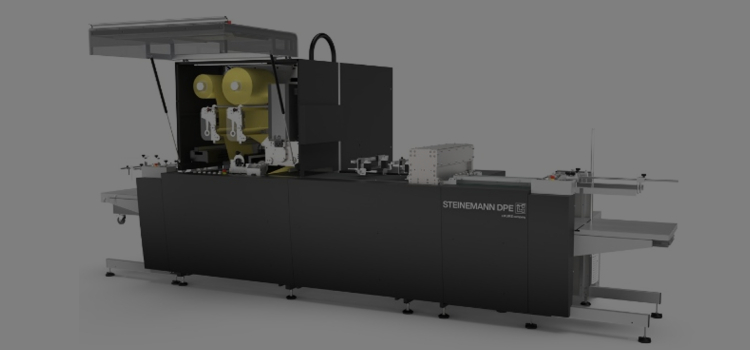
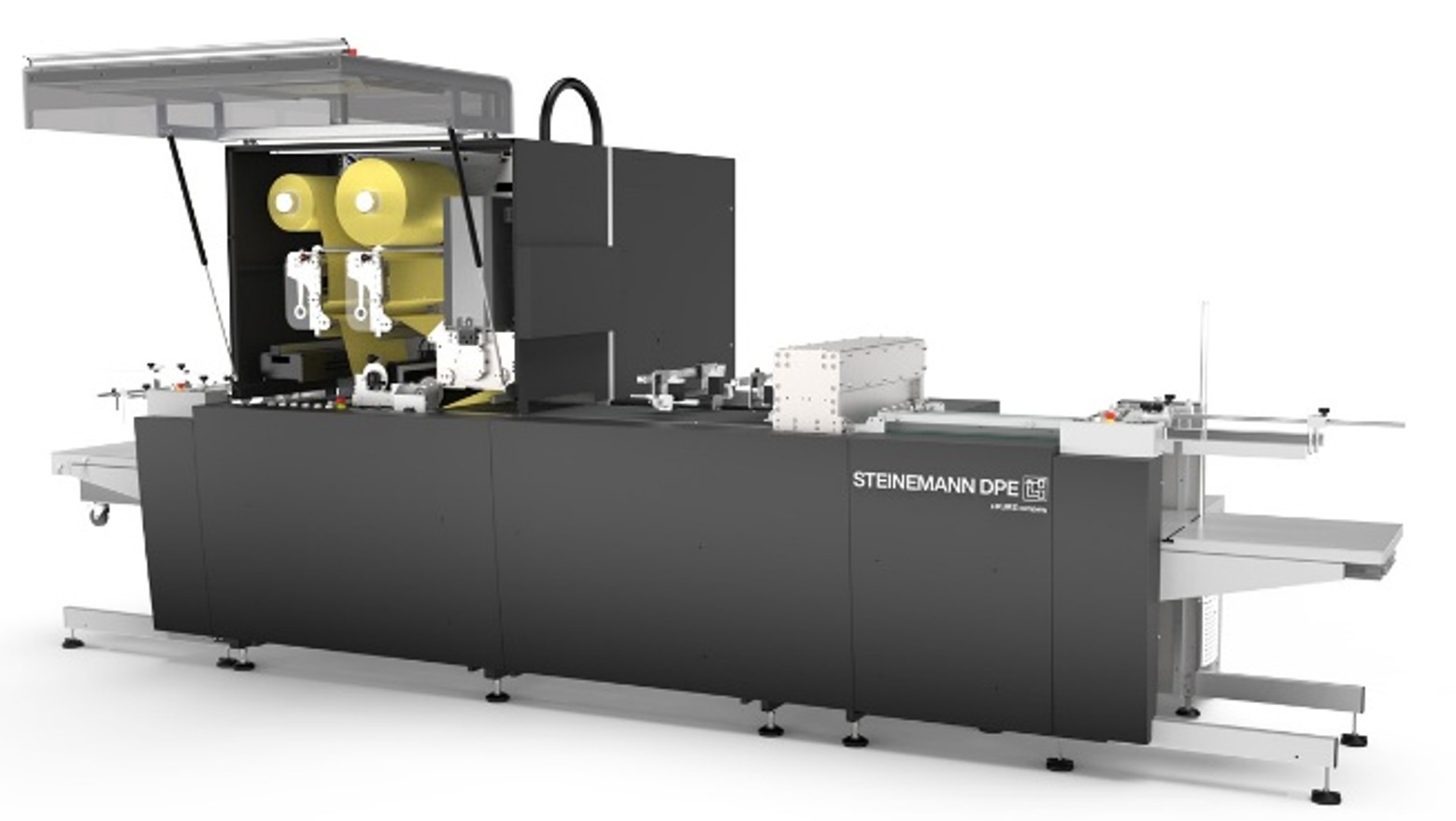
Steinemann DPE, a KURZ company, based in St. Gallen, Switzerland who develop and build industrial, high-end digital print embellishment machines for the graphic arts industry have appointed Weldon Celloplast Limited as their Agent in India.
KURZ/Steinemann DPE offers unique digital embellishment possibilities through perfectly coordinated system solutions consisting of machines, consumables, service, and software.
Steinemann DPE’s digital print enhancement solutions provide answers to these challenges:
Fast changeover times for ever-smaller lot sizes
Profitable production of small and medium-sized repeat orders, avoiding high inventory costs for on-demand orders
Extremely fast availability of the finished packaging to the brand owner through quicker turnaround times from design, printing, embellishment to delivery
Highest flexibility in implementing brand owner’s trends and design requirements on the packaging, including last-minute changes during production
KURZ INDIA PVT. LTD. is part of the KURZ Group, a worldwide leader in thin film technology with over 5,800 employees. KURZ develops and manufactures decorative and functional coating that are applied to carrier foils and employed for a wide variety of products: for automotive components, cell phones, TVs, washing machines, furniture, packaging, books, textiles, bottle labels, bank cards and lots more
Weldon Celloplast Limited, New Delhi India is a total solutions provider to the label industry and represent globally renowned manufacturers of printing equipment, tooling, inspection and waste management systems besides offering tamper evident security label materials. Founded in 1982, Weldon offers comprehensive sales and service services for machinery and systems of the brands they represent. K D Sahni Managing Director of Weldon says, “KURZ/Steinemann DPE is offering unique digital embellishment equipment for both sheet and roll form converting of packaging. We look forward to a great collaboration with KURZ Group to enable our printers in embellishing the package for their demanding customers!”
Enterprising entrepreneur Nirav Shah heads one of the prominent and innovative label manufacturing companies in India Letra Graphix, headquartered in Ahmedabad.
Over the years, Letra Graphix has established itself as a leader in Pressure Sensitive or Self-adhesive Labels for a wide range of label products, including those for food and beverage products, liquor bottles and cans, toys, plastic items, glass items, beauty and cosmetic products, household and durable products, nutritional supplements, and a lot more.
Nirav has led his company giving credit to his team who he has mentored to march ahead with collaborative efforts. He believes that to succeed we must take care of our people. Invest in their growth, celebrate their dedication, and acknowledge their quiet hard work. A loyal, empowered team is a company’s ultimate competitive advantage. It is proving right for him.
In 1965 Nirav Shah’s father Arun Shah and his brother Kamlesh Shah initiated their maiden venture dealing in electrical industrial supplies. Eight years hence in 1973 the brothers felt the need to diversify. It was the early days for self-adhesive labels and the future looked extremely bright for the segment. The brothers took a call and started their firm Arun Agencies to trade in labels, outsourced from those manufacturing at that time. While Nirav and his elder sister were growing up in a well-knit bonded business-oriented family, the brothers Arun and Kamlesh created a platform as suppliers of labels. Nirav completed his schooling at Swastik Vidyalaya Ahmedabad, followed by higher education in the city itself followed by Fine Arts at CN Vidyalaya, which helped develop his creative understanding of design and aesthetics. To further strengthen his technical knowledge, he pursued Printing Technology studies in Wisconsin, USA. Growing up in such an environment, watching elders in the family business, he grew up with a mindset towards entrepreneurship, hard work, and a wish to indulge in manufacturing from an early age. He joined the family’s electrical business in 1994 but in his heart, he had a profound wish to start manufacturing labels. In this same year he got married to Archita.
In 1995 Nirav decided to initiate his label manufacturing business starting at home with a small set-up. Before starting his entrepreneurial journey, Nirav gained hands-on experience across multiple industries. Working in his father’s electrical business gave him early exposure to business operations and customer relations. He also worked at an advertising agency as a designer; it gave him an understanding of branding and visual communication. While he studied in the USA , he sharpened his technical capabilities and expertise by working as a machine operator at a printing firm, gaining practical exposure to advanced printing technologies and production systems. By the mid-1990s the self-adhesive label industry started evolving at a fast pace. With active support from wife Archita, Nirav’s label business found early success. They shifted the label manufacturing business, from home to a larger commercial space at New York Tower Ahmedabad and renamed the company Letra Graphix.
In his first big move to enter the narrow web label manufacturing, Letra Graphix installed their first Mark Andy 4-colour label printing machine on 30th June 1997, and officially registered Letra Graphix Pvt. Ltd. as a company. It was a natural progression from trading to manufacturing after gaining deep exposure to commercial printing and label trading. There was no looking back thereafter, even though finding skilled manpower, sourcing premium materials, and convincing brands to shift from conventional sheet-fed labels to premium self-adhesive labels were major challenges. Over the years Ahmedabad has become one of India’s largest hubs for industrial packaging and label manufacturing, having everything from high-tech corporate flexographic printing plants to localized barcode sticker suppliers.
The city serves massive pharmaceutical, FMCG, textile, and chemical industrial clusters across Gujarat. Inspired by situation, Letra Graphix invested in manufacturing labels for pharmaceuticals, cosmetics, agriculture, food, and international markets followed by continuous investments in technology, infrastructure, and innovation. What started as labels and printing gradually became a family business. The business started as trading through Arun Agencies eventually evolved into a full-fledged manufacturing setup. Expanding further in 2021 they began construction of a new building which was completed and began operational in 2022. According to Nirav, “The decision to keep expanding was driven by the rapid modernization of packaging in India, where brands increasingly required international-quality self-adhesive labeling solutions.” Growing up in a business-oriented family and watching the dedication, discipline, and adaptability of family, influenced him to navigate through changing business environments and evolving printing technologies maintaining commitment to quality.
The entire Shah family is a support system for their label venture. While the elders laid the foundation with their trading company Arun Agencies, Nirav’s mother was a teacher and played a very important role in shaping their values and discipline at home that carved their character in industrial operation. His wife Archita actively supports him in business and manages the company’s CSR initiatives and social welfare activities. Nirav and Archita are blessed with two children, daughter Anushka, who holds a degree in B.Design. With her design background, she contributes creatively to branding, aesthetics, packaging innovation, and the visual identity of the company.
While Son, Sahil, after completing his MBA has undergone extensive on-ground training across all departments from production and operations to client servicing and business development. Today, as a key director at Letra Graphix, he plays a leading role in driving modern marketing strategies, digital growth, new client acquisitions, and the company’s participation at major national and international exhibitions. Both siblings are now actively involved in the business and being groomed to be the next generation of leadership at Letra Graphix.
They have a fully owned factory on a land area over 5000 Square Meters and employ over 100 workforce. The facility houses advanced multi-color narrow-web flexographic and combination printing presses equipped with inline embellishment technologies including cold foiling, silk-screen printing, die-cutting, and booklet label manufacturing capabilities. In 2015 they further enhanced their capabilities by installing an IML converting machine in 2016. In 2023, a Gallus Labelfire 340 hybrid flexo and digital press was added.
Letra Graphix has integrated digital proofing and short-run printing capabilities to cater to the growing D2C and custom branding market. Nirav states, “The future of digital label manufacturing is extremely promising because it enables personalization, minimal setup waste, and faster turnaround times alongside traditional flexographic production.” They also maintain dust-free production environments and 100% automated camera inspection systems to ensure zero-defect quality standards.
Achievements and awards.
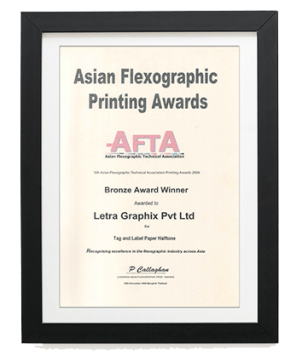
Over the years, Letra Graphix has won numerous prestigious national and international awards for print excellence and innovation. In 2006 they won their first AFTA award. Followed by two more Gold AFTA awards in 2007. Two years later in 2009 they were recipients of 13 consecutive awards in a single year and gained global recognition for “excellence in technical achievement in printing by “World Label Awards Association” at Chicago USA. The award winning continued when in 2011 they won 14 awards, the highest in their journey till then. In 2019 they received the “Innovative Label Printer of the Year” award by Printweek for hanger labels.
Letra Graphix actively exports premium labels to international markets and works with brands that require strict adherence to global packaging and compliance standards. As for sustainability Nirav states, “We are committed to environmentally responsible manufacturing practices. This includes waste optimization, adoption of UV-curable and low-emission inks and offering sustainable substrates such as PCR materials and FSC-certified papers. For their contribution towards corporate social responsibility
(CSR), they regularly contribute toward educational initiatives, healthcare support for underprivileged communities, and local environmental sustainability drives around our industrial areas. Their vision for the next five years is; Letra Graphix aims to become a fully integrated smart-factory manufacturing unit, recognized globally for sustainable and intelligent labeling solutions, while continuing to uphold family-driven values of trust, precision, and quality.
In his final words of communication Nirav says,
“My message to the next generation of entrepreneurs and brand builders: never compromise on your product’s first impression. A label is not just packaging — it is the silent salesman of your brand. Investing in quality packaging is investing directly in your brand’s future.”
Interviewed & written in June 2026 by:
Harveer Sahni, Chairman, Weldon Celloplast Ltd. New Delhi
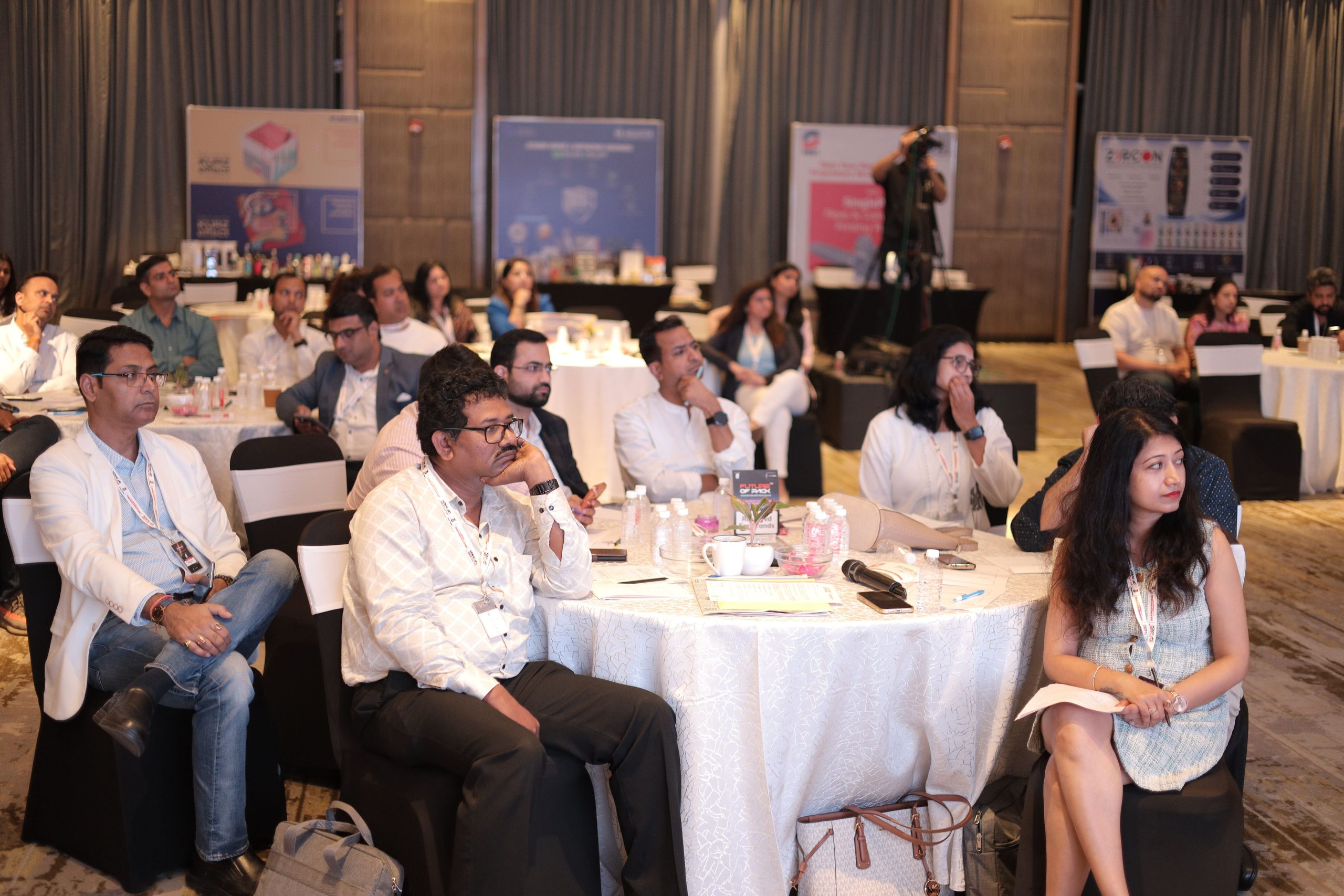
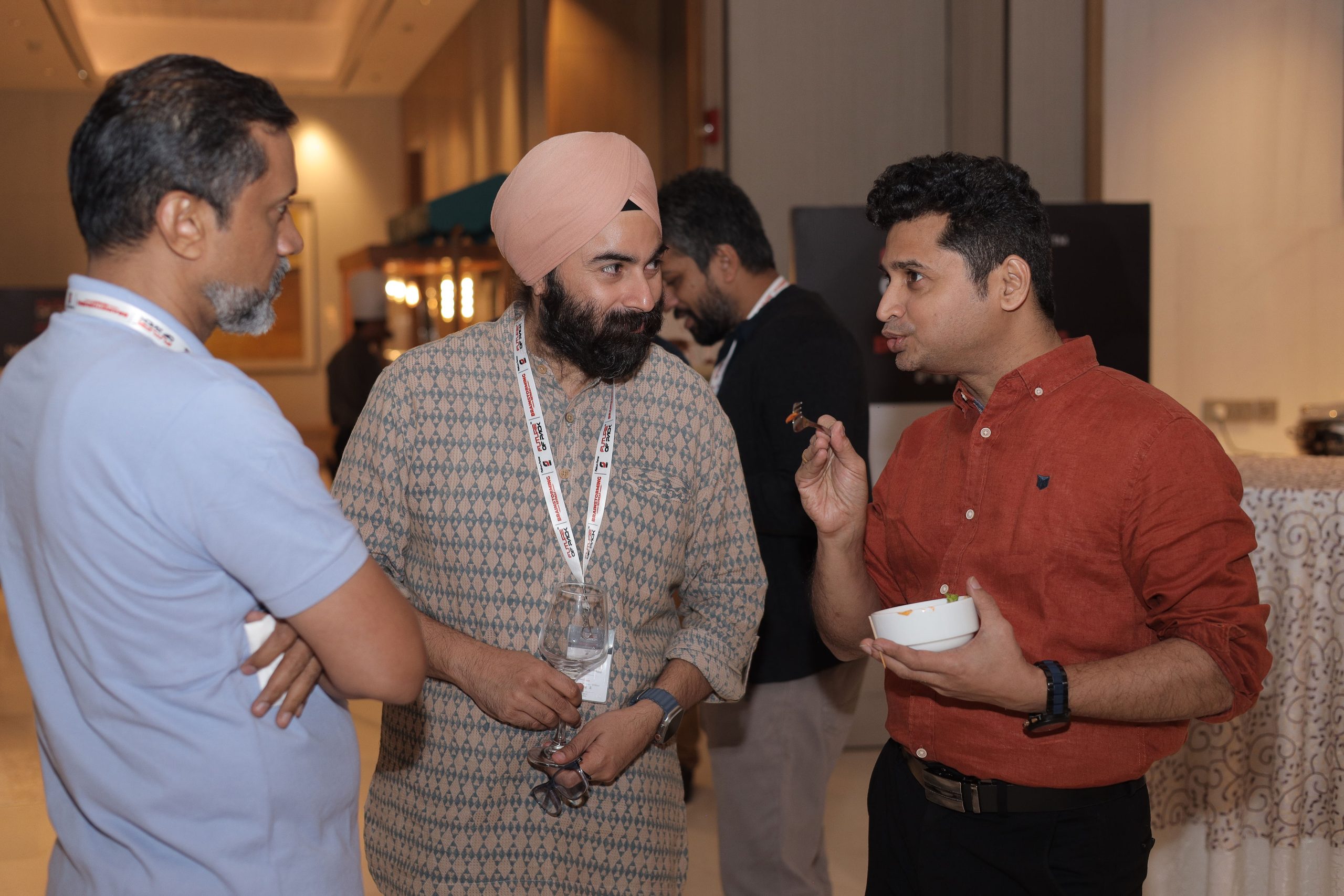
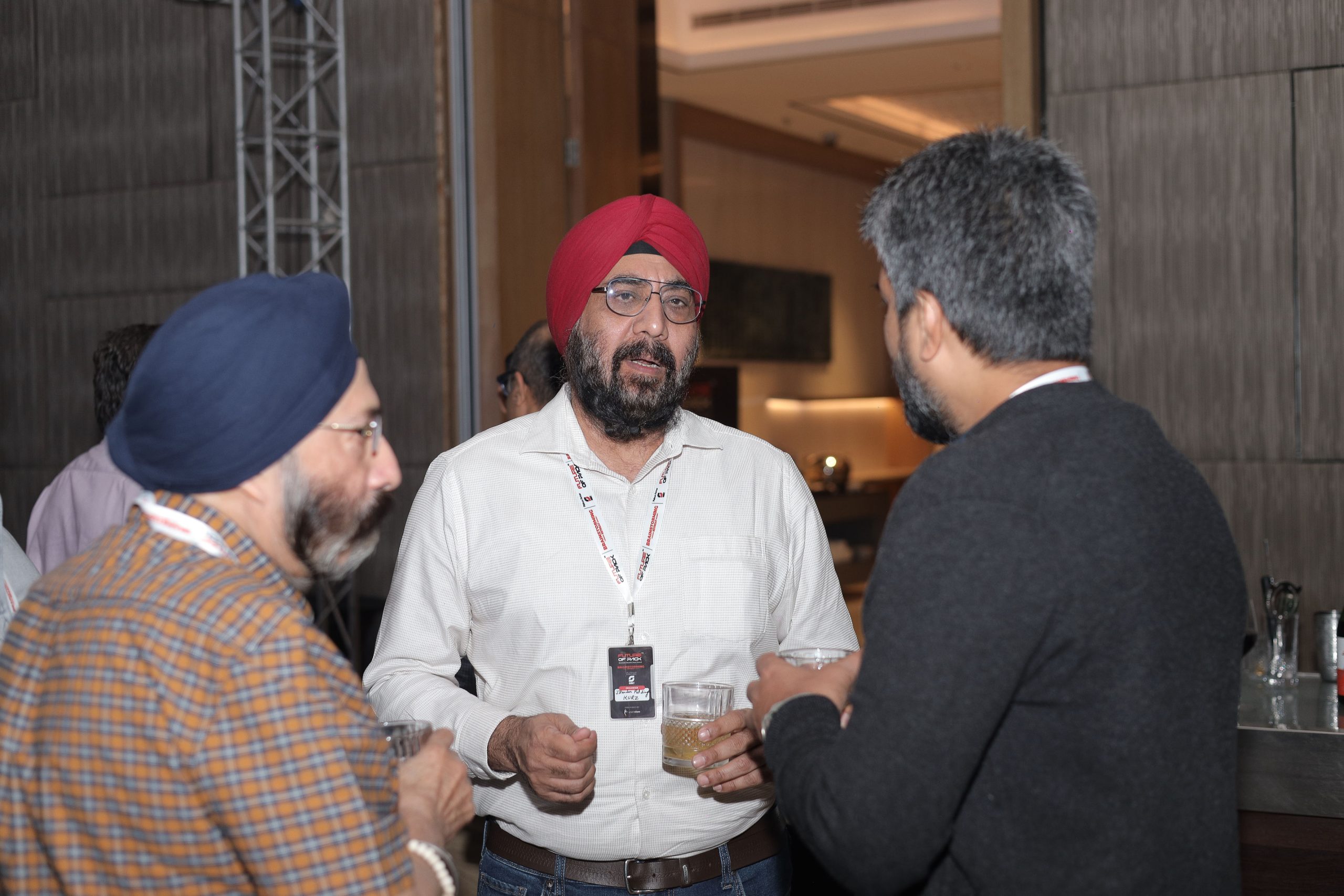
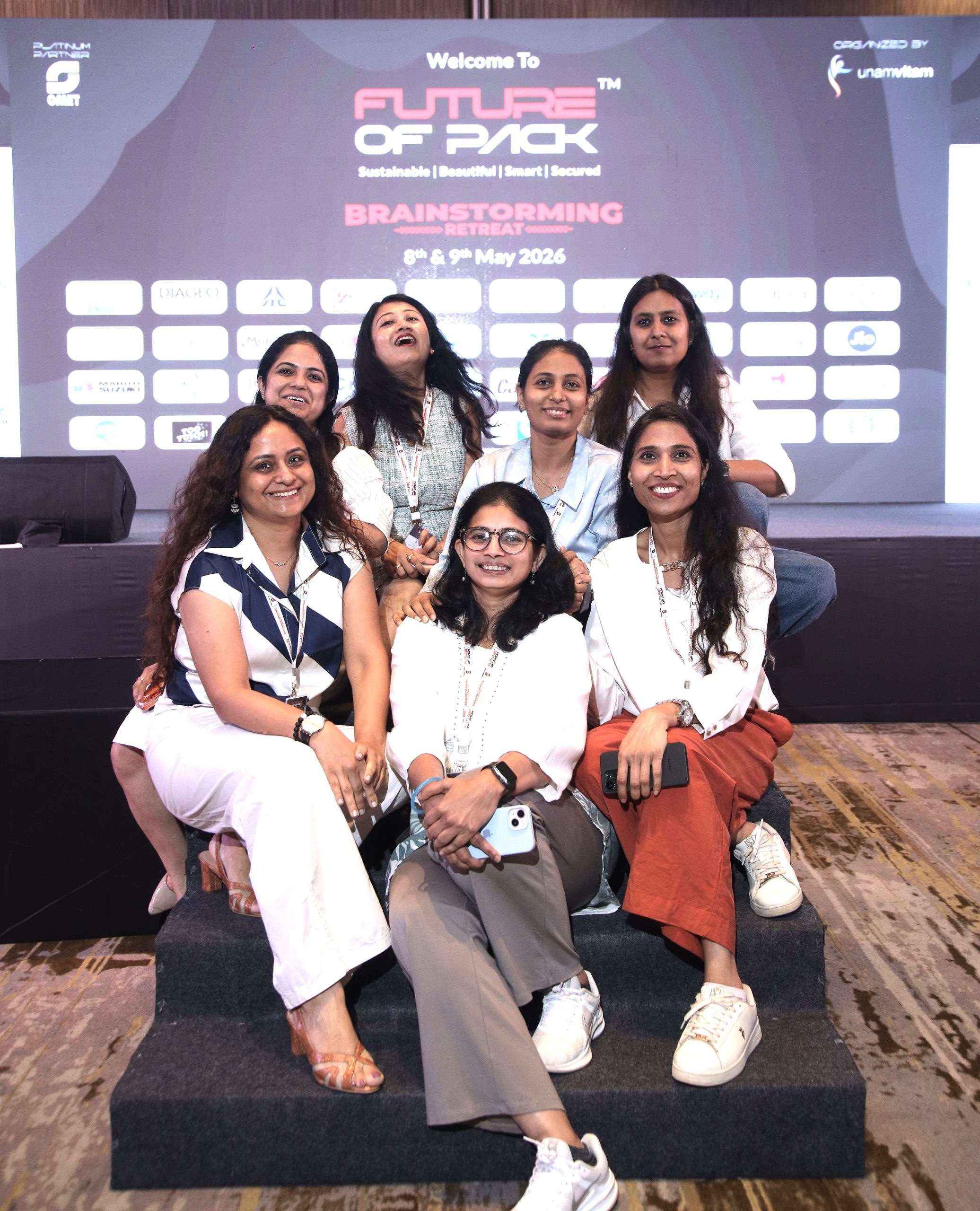
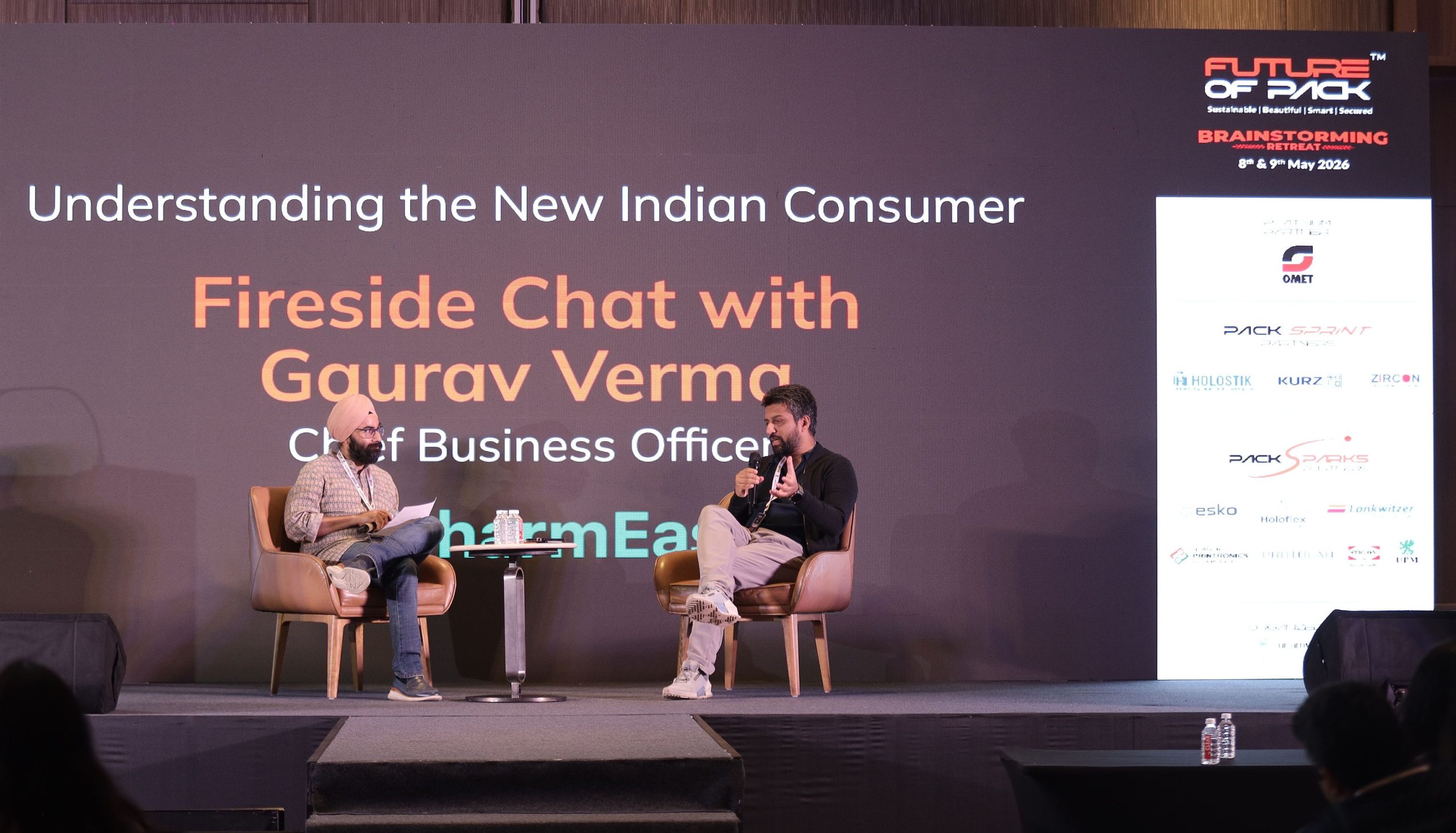
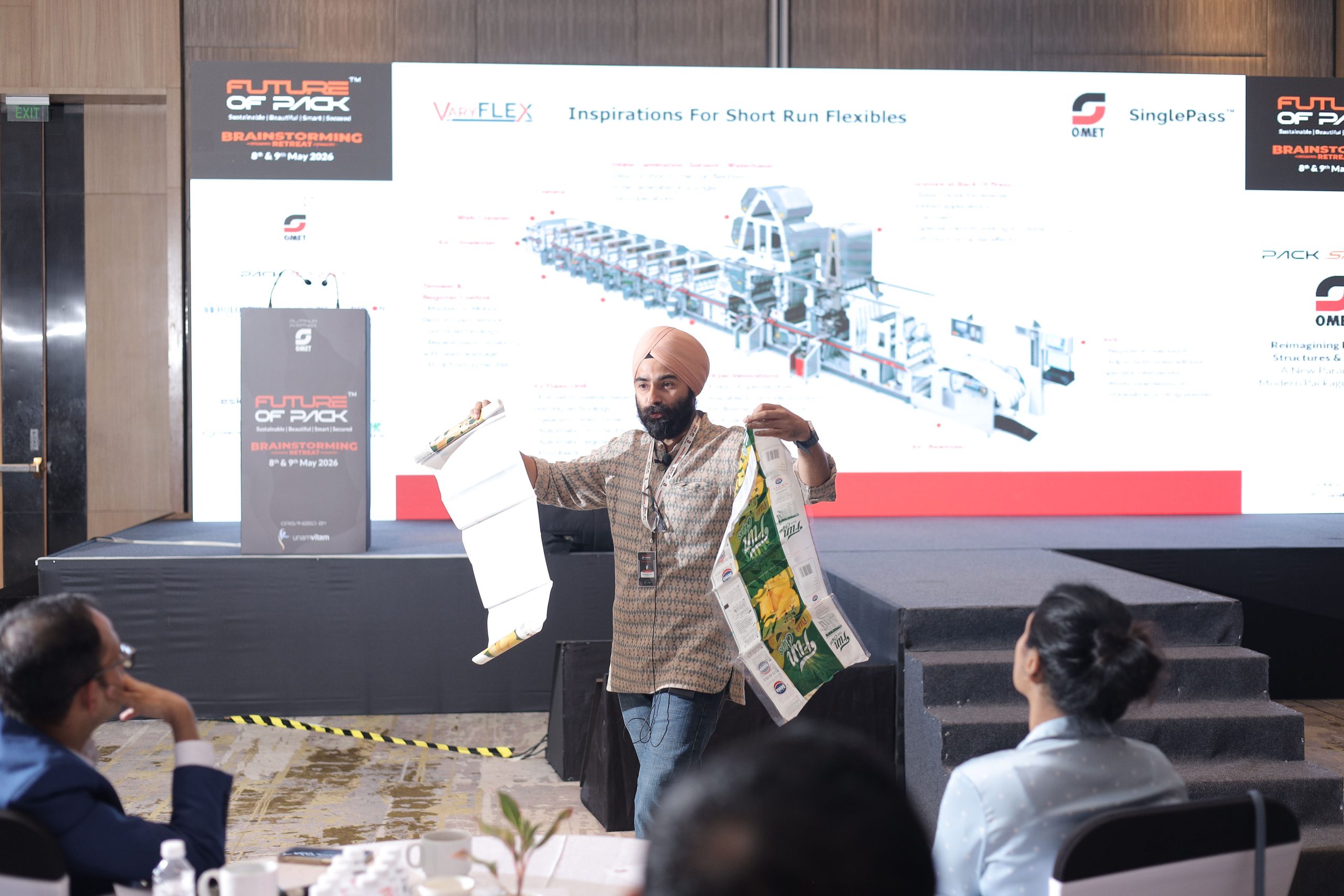
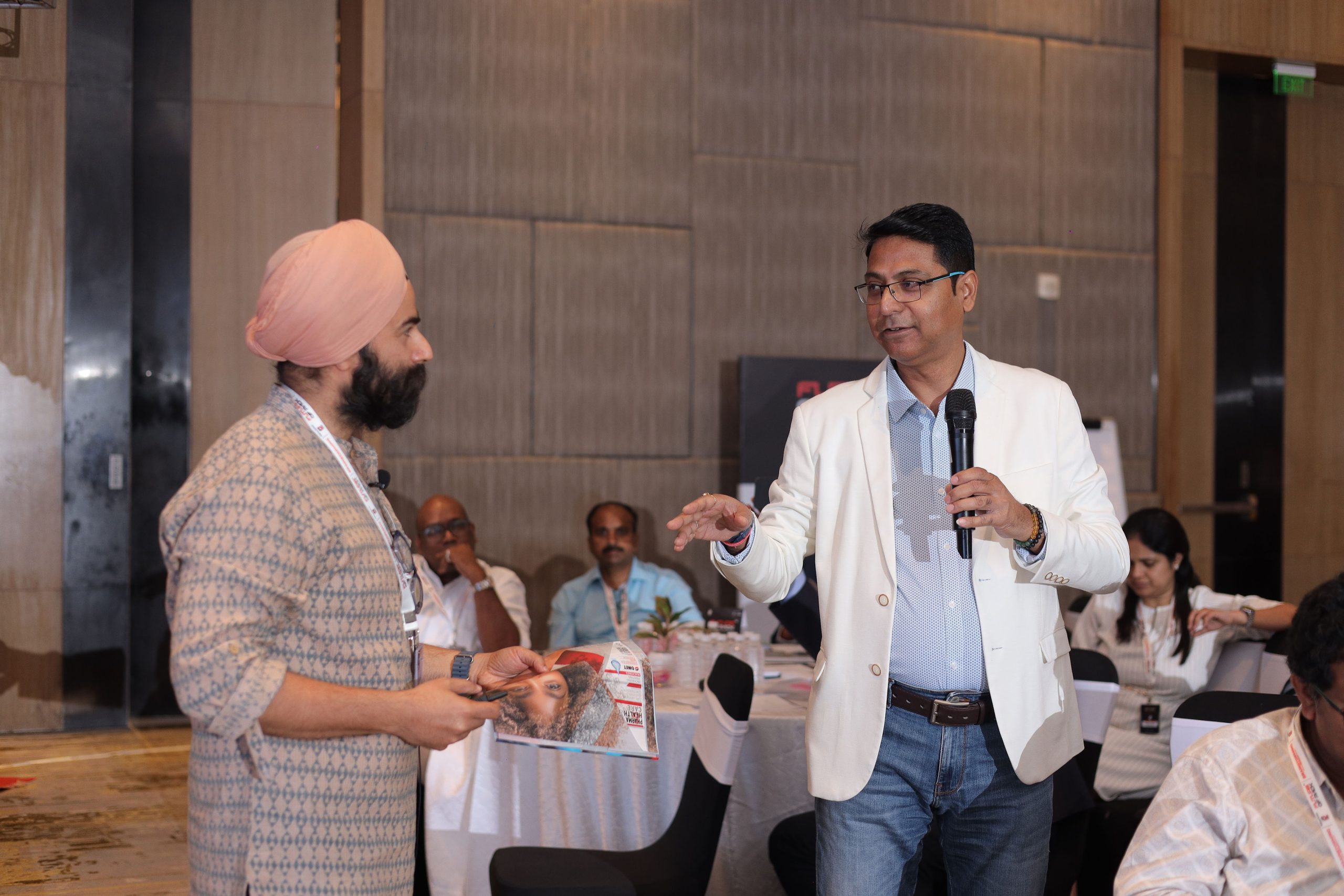
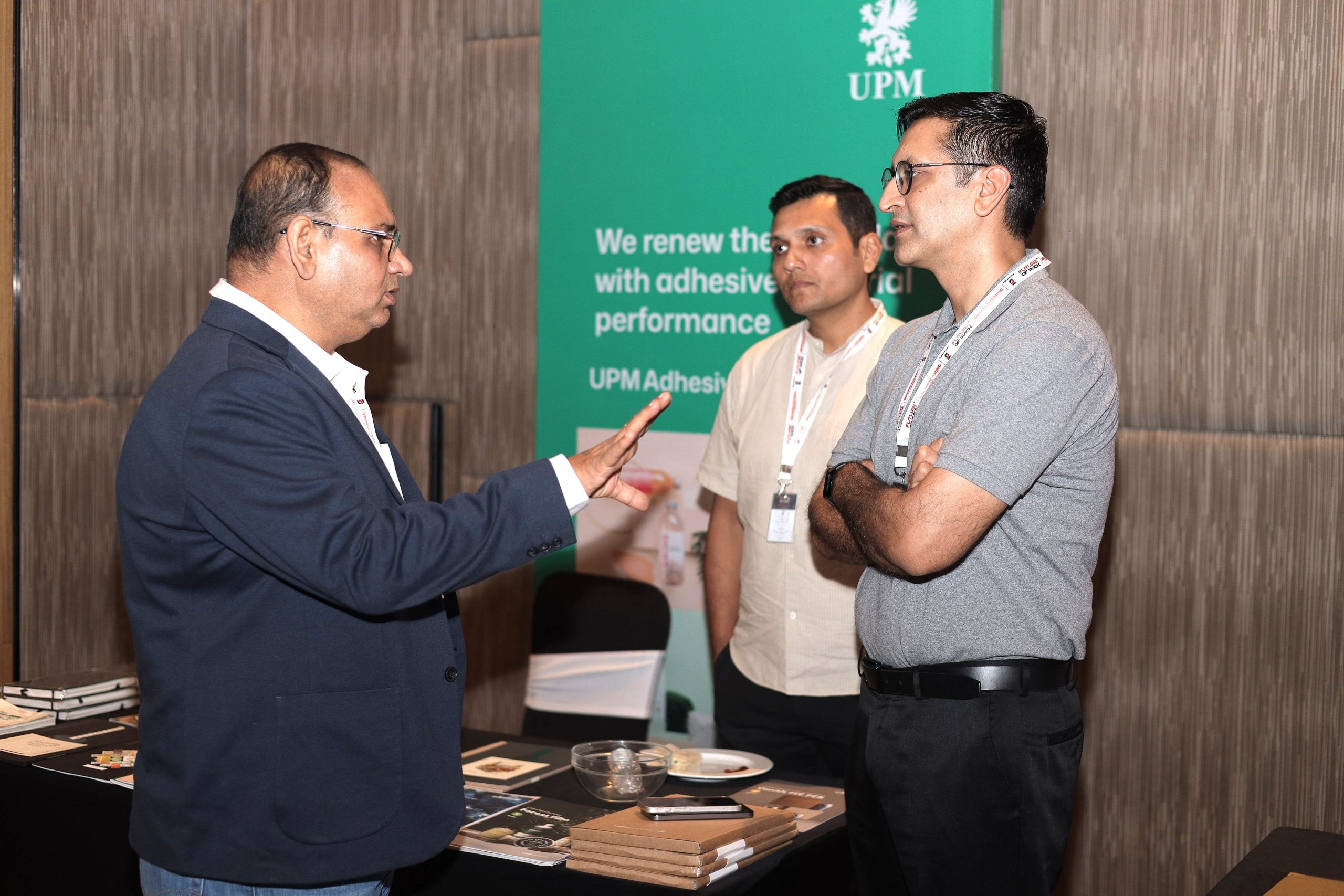
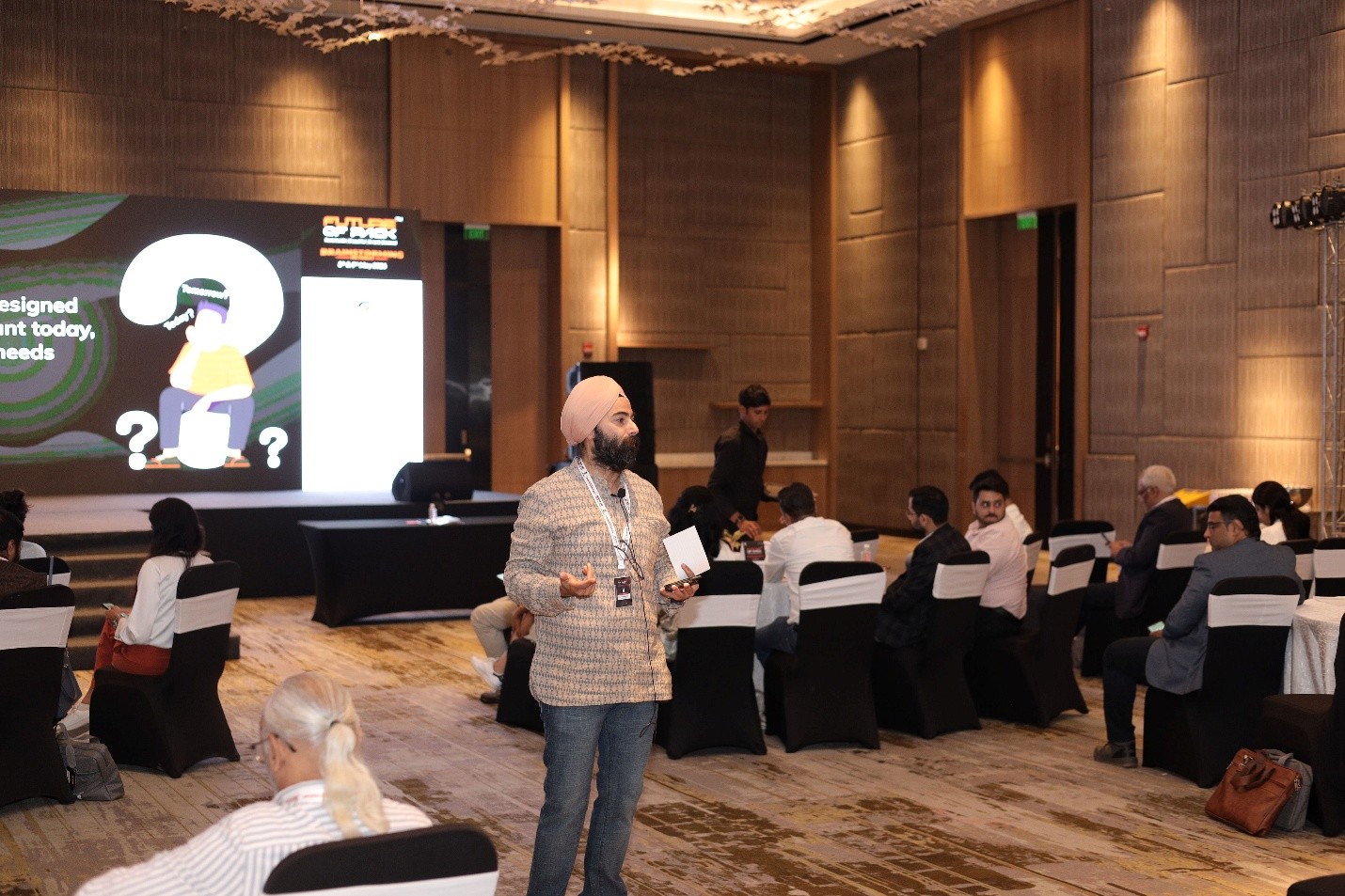
India’s geniuses in packaging development, initiated a thought process to define the roadmap to “Future of Pack”, providing amazing inputs. Recently 40 to 45 heads of packaging or senior managers of leading brands in India across a diverse range of segments, came together at a unique event, “Future of Pack, Brainstorming Retreat”. The event was conceptualised, curated and amazingly moderated by Pawandeep Sahni Managing Director, Omet India Pvt. Ltd., subsidiary of OMET Srl Italy. I have supported the event and am overwhelmed by the huge response of brands to my invite.
Akanksha Meena the global brands editor at Labels & Labeling, focusing on brand owner insights and design stories across international markets, has covered the event. Initial part of her story is reproduced below. The full story can be accessed at the link provided at the end of the first part of her writeup.
Unpacking Future of Pack
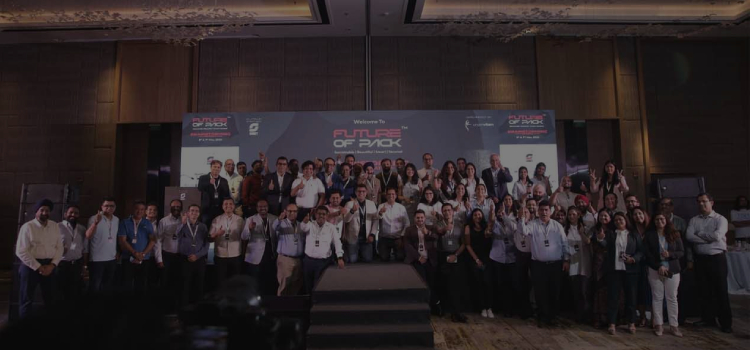
The recent Future of Pack event that took place at Aravali Marriott Resort & Spa in Faridabad, Delhi NCR, on May 8 and 9 was attended by more than 40 brands. The event explored key challenges around sustainability, regulation, packaging and label technology infrastructure, consumer expectations and collaboration across the packaging value chain.
Through discussions and workshops led by companies including Omet, Avery Dennison, UPM, Holostik, Kurz and Zircon, attendees explored packaging innovations and emerging technologies shaping the future of the industry.
Harveer Sahni, chairman, Weldon Celloplast, commented: ‘Pawan and I wished to create a platform for “Future of Pack”, which was not a regular stage and audience event, where speeches are made from a stage, and the questions to the audience are largely met with silence. I am happy we created this very interactive platform, brainstorming at the same level in an open-mic format with those geniuses who define the future of pack and solution providers who deliver capability in innovation, beautification, security, smart and sustainable packs. This endeavor is now recognized as the path to future. Pawandeep Sahni has been outstanding in keeping the packaging fraternity thoroughly engaged and moving within their midst to create a collaborative session.’
Industry transformation
The event began with discussion on industry’s transformation over the last two years. Attendees noted that the packaging industry has undergone significant changes, evolving from a simple protective container to an integral part of the consumer experience and brand engagement journey. Today, packaging acts as a digital touchpoint, enabling brands to connect directly with consumers through technologies such as QR codes and NFCs that enhance interaction and storytelling.
Brand owners are increasingly adopting a consumer-centric approach, focusing not only on aesthetics but also on functionality, convenience and emotional connection. The speed to market has also accelerated, driven by new decoration technologies and the growing need for rapid product launches. At the same time, sustainability has moved to the forefront, with consumers becoming far more aware of environmental impact and pushing brands toward minimal, responsible packaging. This shift is particularly influenced by Gen Z consumers, who value sustainability, authenticity and minimalist design.
Pawandeep Sahni, managing director of Omet India
The rise of e-commerce has further reshaped packaging requirements, making logistics efficiency, durability and the unboxing experience more important than ever. Additionally, startups are leveraging premium packaging to differentiate themselves in crowded markets and create stronger brand identities.
Feedback and comments of some of the participating Brands besides those mentioned in above article:
Priyanka Singh, Head Packaging Development, Lotus Herbals: Grateful to have been part of such a refreshing and meaningful industry interaction. Really appreciate Harveer Sahni ji and Pawan Sahni for creating a platform that encourages open, honest, and collaborative conversations across the packaging ecosystem. Looking forward to many more such discussions shaping the future of packaging together.
Jyotsana Tripathi, Cluster Packaging Head, SoA, Reckitt: It was an enriching experience attending the Future of Pack. Special thanks for facilitating an engaging and interactive forum between brand owners and packaging partners. The thoughtful discussions on current packaging challenges provided meaningful insights and highlighted exciting opportunities for a brighter, more sustainable packaging future. Looking forward to more such platforms like Future of Pack where packaging professionals can collaborate and shape a better future!
Geetal Mahajan Choudhari, Ph.D. (Tech.), Global Sustainable Packaging Lead, Kenvue: I am sure, like me, many of us reading here would have thought, how much effort can one do alone than doing it all together – but no one took that first step to drive collective effort to find a directional way forward for Sustainable Innovation in Packaging until Harveer Sahni ji, Pawan Sahni, and the entire team showed us how it is done! The retreat wasn’t just something truly new but also meaningful, and in true sense collaborative. Building connections, crosspollinating that immense ocean of knowledge amongst industry peers and also bringing forth some aspects of what solutions may be was amazing to see! Pawan Sahni, you have set the benchmark too high and I am routing to see the great impact this needs to create and efforts continued.. This event stood out for me not because something extraordinary was discussed but basic & most common questions that we address/ are looking for solutions in our everyday and for the future unlike just the same set of QnA in conferences these days! “The power of collaboration and combined efforts can truly build value even across industry and eventually bring collective impact!”
Swati Gupta, Senior Manager Open Innovation and Packaging Development, Amway: Thank you Future of Pack for providing the opportunity to be part of these wonderful sessions with fellow Packaging Professionals across categories. The collective wisdom, the infectious energy and passion for packaging is worth the time and effort to brainstorm on future of packaging. Looking forward to the focused areas for Industry to initiate and ignite the wholistic collaboration between brands and Packaging Solution Industry.
Varun Bajaj, Maruti Suzuki India Limited, Senior Manager Packaging: Had the privilege of being part of the “Future of Pack – Brainstorming Retreat” an incredible journey filled with unfiltered ideas, candid conversations, and collective thinking from some of the brightest packaging leaders in India.This wasn’t a typical conference. There were no presentations, no hierarchies — just honest, energetic dialogue among peers passionate about reimagining packaging that is: 🔹 Sustainable – reducing impact while enhancing value 🔹 Smart – intelligent and connected through technology 🔹 Beautiful– elevating aesthetics and consumer delight 🔹 Secure – protecting brands and ensuring authenticity What stood out for me was the depth of collaboration— brands, converters, and solution partners discussing real challenges and co-creating pathways for a better, more responsible packaging future. A few takeaways: ✅ Innovation thrives in open conversations. ✅ The future of packaging is not built in silos — it’s built in synergy. ✅ Sustainability, technology and design must move together, not in isolation. Grateful to Harveer Sahni for creating such a powerful platform for dialogue and to Pawandeep Sahni for his outstanding vision and moderation that kept the energy high and ideas flowing. Events like this reaffirm that our industry’s progress will come not from competition, but from Collaboration— where passion meets purpose.
Bhupesh Mittal, Technical Packaging Program Lead, Bayer: What happens when some of the sharpest minds in packaging sit together in one room – without hierarchy, without filters, and with complete openness?
– You don’t just get discussions. – You get a glimpse into the real Future of Packaging. “Future of Pack – Brainstorming Retreat” was one of the most intellectually enriching packaging forums I have attended in recent times. What made this experience special was the quality of conversations happening inside the room? ✨ No passive audience ✨ No conventional presentations ✨ Just open brainstorming among packaging leaders, innovators, converters, and technology experts The discussions covered critical themes shaping our industry: 🔹 Sustainable Packaging 🔹 Smart & Connected Packaging 🔹 Consumer Experience & Premiumization 🔹 Packaging Security 🔹 Print & Technology Innovation 🔹 Supply Chain Challenges 🔹 Future role of packaging in business strategy What personally stayed with me was the depth and honesty of the discussions. When experienced professionals openly discuss real challenges, failures, innovation bottlenecks, and future opportunities, it becomes a masterclass beyond any presentation deck. 👏 A special thanks to Harveer Sahni for creating such a meaningful platform and bringing together the right minds under one roof. 👏 Congratulations also to Pawandeep Sahni for conceptualizing and moderating the retreat with tremendous energy and clarity.
Yogesh Bambal, Regional Category Lead – R&D Packaging, Asia Pacific Region – Chocolate Category, Mondelēz International: What happens when industry leaders come together with complete openness, intellectual honesty, and a shared intent to shape the future? You don’t just exchange ideas — you create direction for the industry; It was a privilege to participate in the Future of Pack – Brainstorming Retreat, an exceptional gathering of some of the most forward-thinking minds across the packaging ecosystem. What stood out was not only the depth of discussion, but the quality of perspectives being shared across sustainability, smart packaging, consumer experience, supply chain resilience, technology integration, and the evolving strategic role of packaging in business growth. The conversations reflected a clear reality — the future of packaging will be driven by collaboration, innovation, agility, and collective intelligence. My sincere gratitude to Harveer Sahni for envisioning and building such a high-impact platform that encourages meaningful industry dialogue beyond conventional conferences. Special appreciation Pawan Sahni for curating and moderating the retreat with remarkable clarity, energy, and purpose. Forums like these are critical for accelerating transformation across the packaging industry and inspiring the next wave of innovation-led growth. Proud to be part of an ecosystem that continues to challenge convention and collectively shape the future of packaging.
Compiled and put together from individual messages received and Linkedin posts, by Harveer Sahni, Chairman Weldon Celloplast Ltd. New Delhi with support from Labels and Labeling UK. May 2026
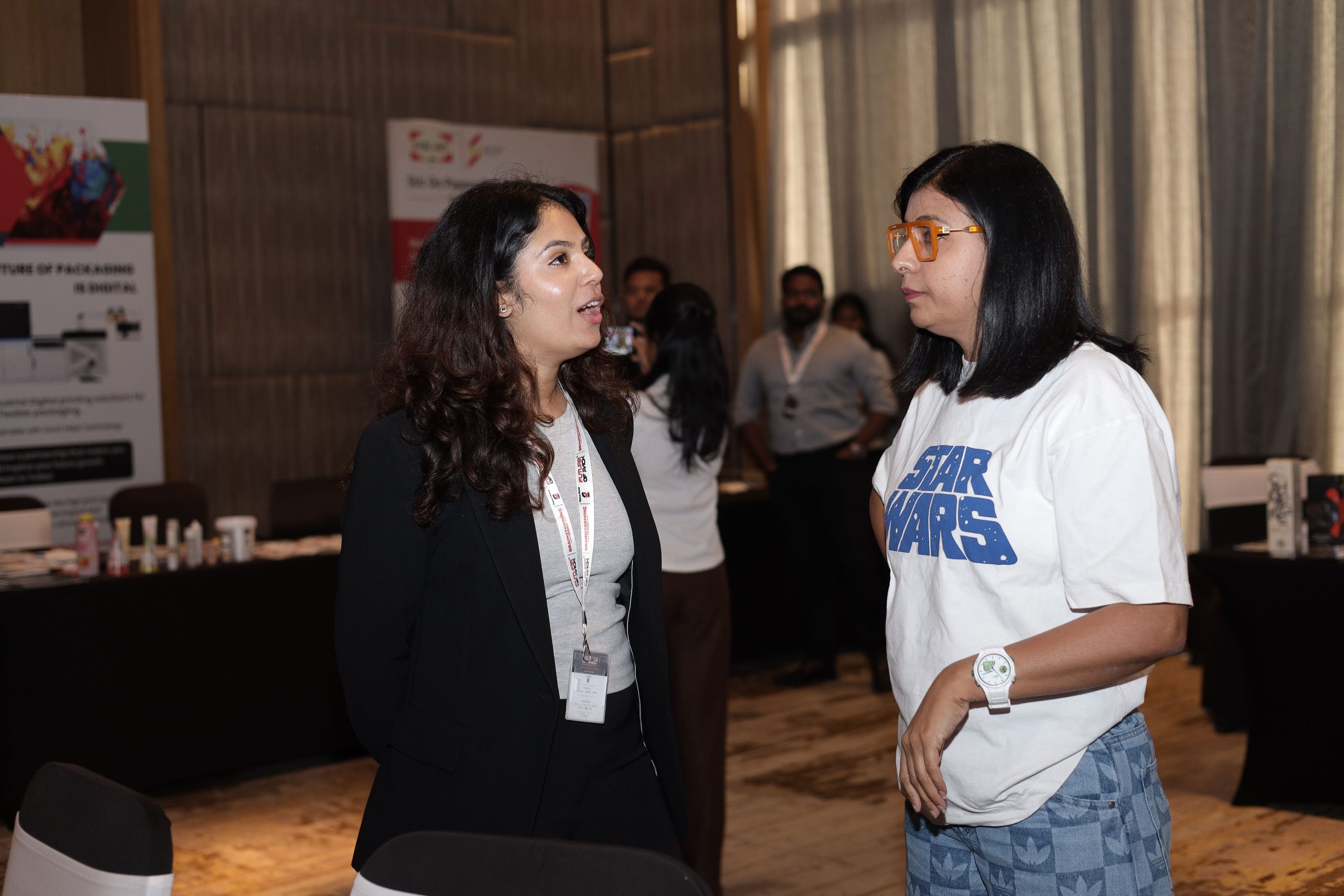
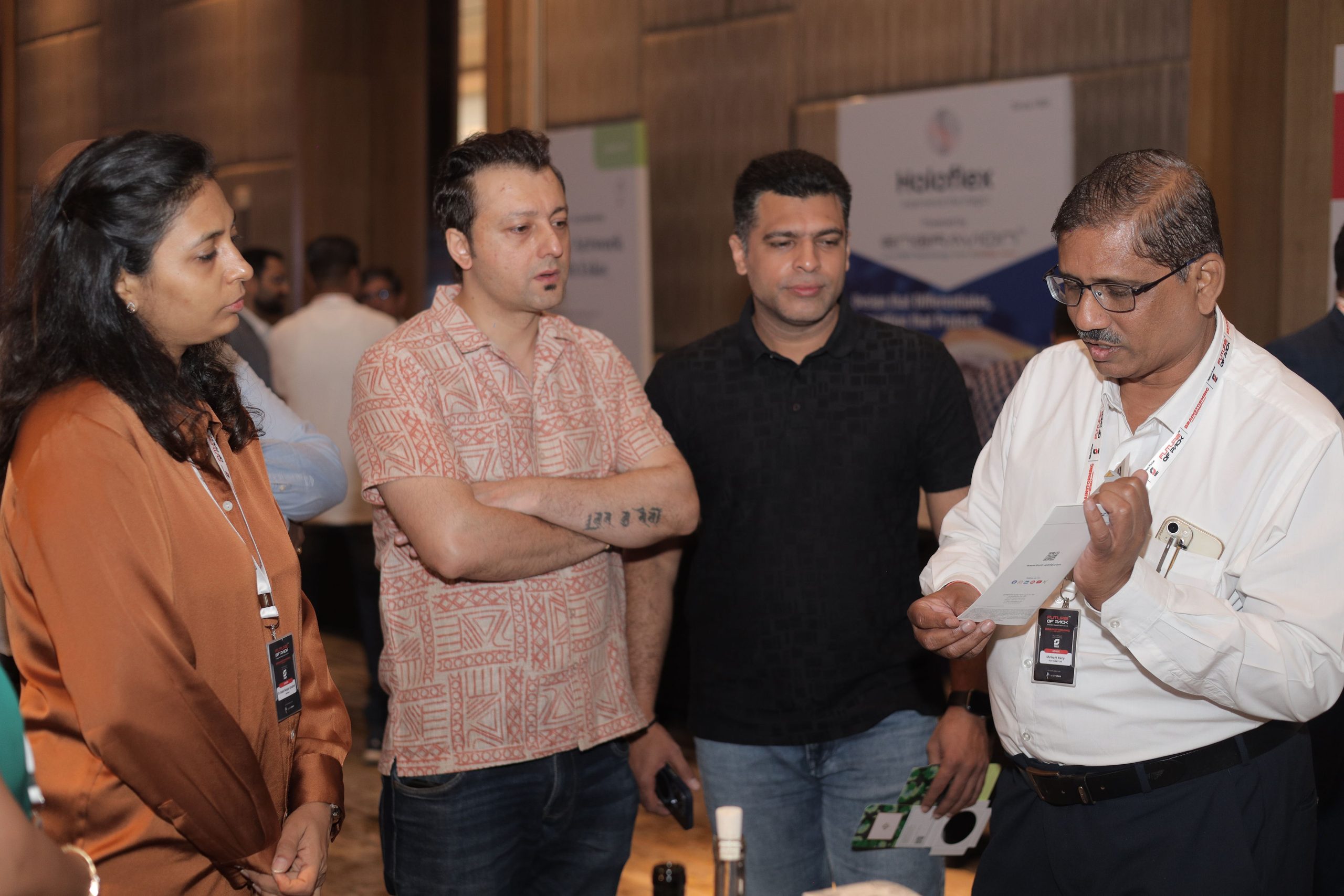
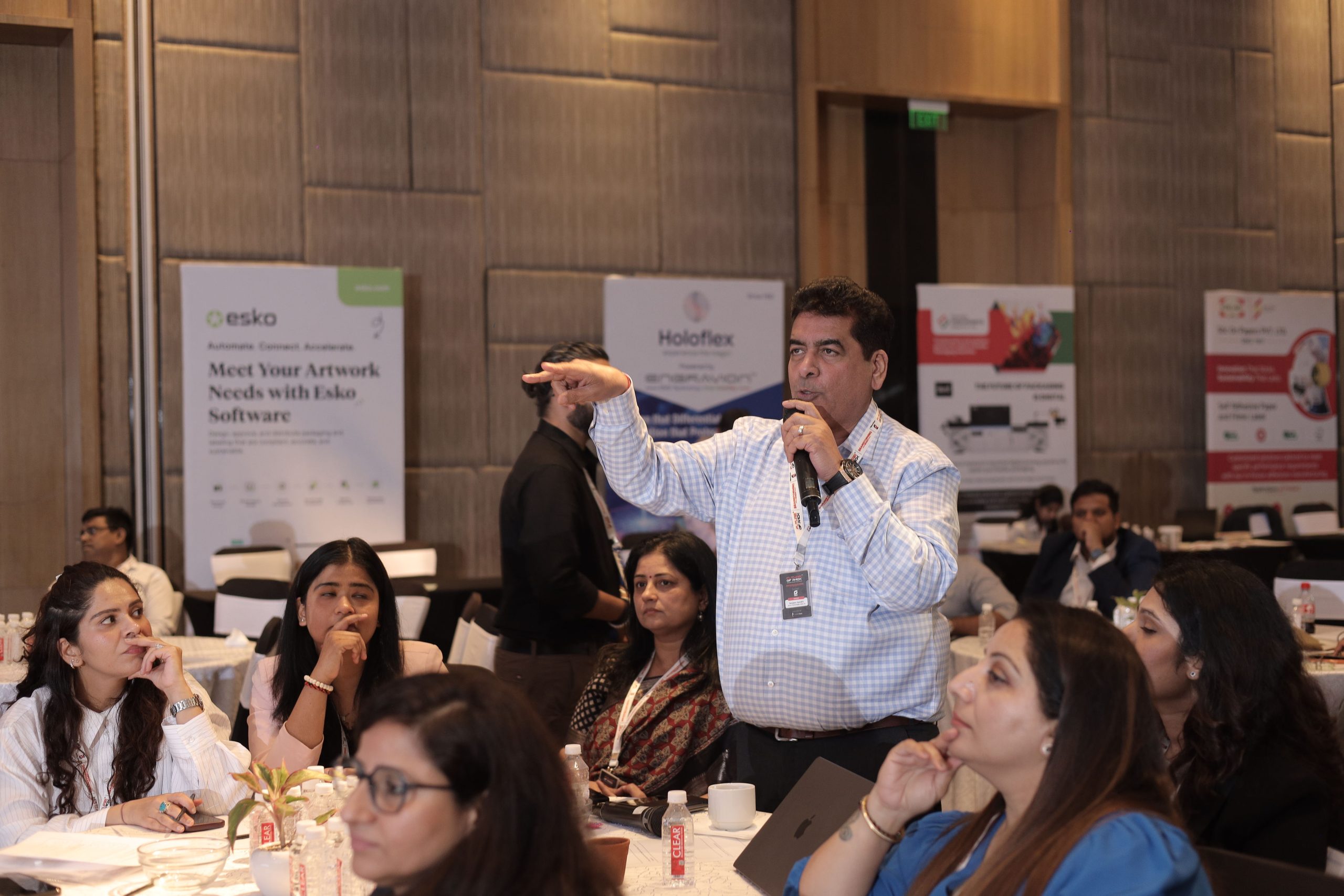
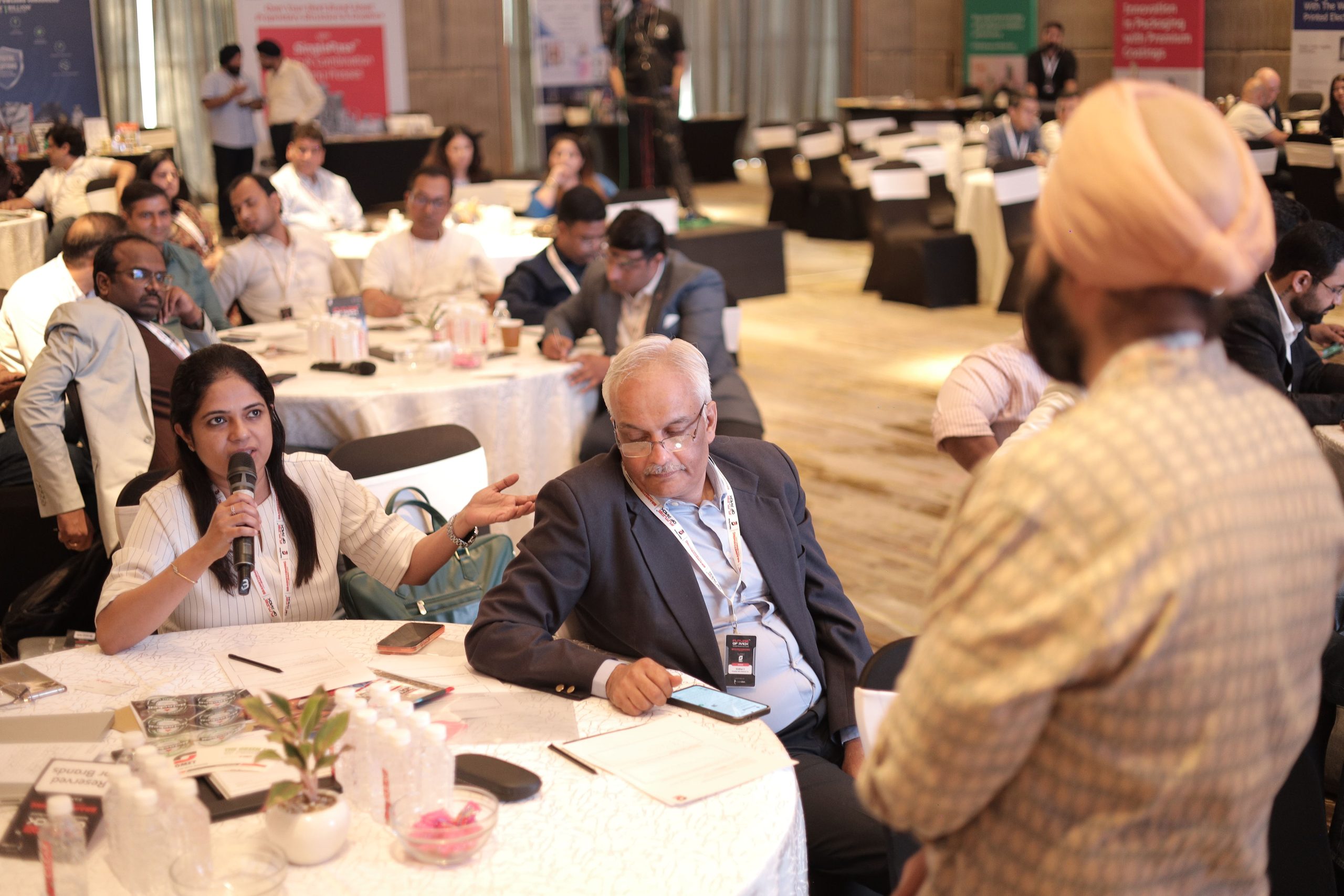
Some images from the event:
Compiled and put together from individual messages received and Linkedin posts, by Harveer Sahni, Chairman Weldon Celloplast Ltd. New Delhi with support from Labels and Labeling UK. May 2026
In the beginning of the first decade of the new millennium, PSA/self-adhesive labelstock started evolving and Avery Dennison was already producing in India, while also importing specialty materials from their various plants around the world to offer to Indian label printers. The local manufacturers were largely making commodity labelstocks with semi-gloss or art papers, uncoated maplitho or woodfree paper, and mirror-coated or cast gloss paper as face material. They did not have access to such a large variety of face materials in their product inventory.
At that time, local manufacturers started looking for and importing stock lots of paper from European paper mills. These stock lots were basically production overruns, offcuts, or out-of-spec material, which was acceptable at that time in India. The author’s company also brought in such material for some time, but later the “me-too” factor triggered off, and many traders began opening the floodgates with materials of quality that varied from good to near-rejects, coming to India. They would bring it in by weight, while fresh materials were sold per square meter. The materials were unwound, inspected, sorted, and slitted by affordable workmen to be sold to label converters. It was perhaps at Labelexpo 2003 in Brussels that the author was sitting at the booth of a paper mill, enquiring about stock lot materials. While in discussions, a young man in his thirties came and suddenly started talking to the exhibitor, stating: “Whatever you can offer in stagnant stocks, side runs, or out-of-spec material, now or in the next two years, I will buy all of it at advance payment, and for that I can keep a substantial advance with you!” Realising that his meeting with the paper mill representative had come to an end, the author quietly got up and walked away, leaving the two to carry on their discussion. That young man was Vinay Jain, grandson of Mithan Lal Jain, who set up his paper trading Mithan ji Group in 1933.
In fact, Vinay’s labelstock manufacturing company, MLJ, was also named using the initials of his grandfather’s name.
The author interviewed Siddarth Jain, Director of MLJ Industries Limited and Vinay Jain’s younger son. This article is written with inputs provided by him. Until the 1990s, the Jains, with their two companies MLM India and MLM Mithan Lal Marketing, were doing trading for different Indian paper mills. As per Siddarth, in 1995–96 there were just four or five paper trading companies in India representing large paper mills, and they were one of them. In 1990, a young 25-year-old Vinay Jain set up his maiden manufacturing venture, a kraft paper mill in Bhopal.
Unfortunately, that project did not work out well. In search of larger opportunities beyond representing Indian paper mills, in 1993 he travelled to the USA to look for more opportunities, maintaining his focus in the paper industry. He considered many options such as stock lots of different varieties of paper, prime materials, or anything in the paper trade that could be sold in India. After this American trip in 1993, while still serving as agents for Indian paper mills, he decided to shift his focus from Indian paper to imported materials. He found success and started to replicate and grow the paper import business. By 1996–97, their company MLM was on a steady growth path, having started importing stock lots of any kind of paper, whether it be labelstock, tea paper, kraft, medical paper, or any type of paper or paperboard, MBP, SBS, and different types of board. Success led them to establish their own first warehouse in Alipur, Delhi, to unload and stock an increasing number of incoming containers. They also set up a facility to sort papers and convert them to workable formats like sheets and rolls.
Vinay Jain quit studies after high school, passing out of Happy School, Darya Ganj, in 1984–85 when he was just 19 years old, to join as the third generation in the family’s paper business. Spearheading the diversification and growth of MLM, and being the only son, the leadership of their group came to him directly after his grandfather. A 22-year-old Vinay, in 1987, got married to Meenakshi, an alumna of Kirori Mal College, Delhi University, from where she completed her B.Com. (Hons.). They were blessed with two sons: elder son Chirag, born in 1988, and younger son Siddarth, born in 1990. Growing up, both siblings saw little of their father, who was constantly travelling for business. Meenakshi remained a pillar of strength for the Jain household, despite also pursuing her passion for fashion and running her boutique from home.
Chirag went to Delhi Public School, Mathura Road, New Delhi. He passed out in 2006 and later went to SMU, Dallas, USA for further studies, and then to the UK for his master’s degree, before returning to India. Later, Chirag went to Africa to start a paper converting factory in Ethiopia for cutting and packing paper in A4 sheets under the brand Nyle, which they later sold to a local person. They then started the same in Nigeria, along with setting up a corrugated box factory in Ethiopia. While he was in the U.S., Chirag had started an office in Hong Kong for global trading in paper. They still have this office, trading with 120 countries worldwide. The office is managed by staff and Chirag visits once a year.
Siddarth went to Air Force Bal Bharti School, Lodi Road, Delhi, followed by further education in international business studies at the University of Nottingham, UK, from 2009 to 2012. On return, he joined the family’s paper business, starting a warehouse in Mandoli, Delhi, where imported paper was cut into roll form and sheet form. After joining, Siddarth worked on the basics, learning about paper, but he did not see much value addition in the paper business they were doing. Wishing to move into another arena, he started a road construction company in Gwalior. A company based in Kolkata had obtained a contract for building the Morena-Sambhal Ganj Highway from MPRDC, a government entity. They subcontracted it to him in 2013. He used to travel daily from Delhi to Gwalior and back for six months, leaving home at 4 a.m. and returning late in the evening at 10–11 p.m. Unfortunately, five years on, the company that held the contract went into bankruptcy, leaving Siddarth wondering what came next. Their paper business was doing well, so he returned to it. Both brothers received hands-on training within the family business framework.
Vinay Jain now heads the overall business, and both sons are looking after diverse ventures. He has been the mentor to his sons and the visionary in the extended Jain family. Siddarth fondly talks about his father and says, “We have all done what he has envisioned. For us, that has been the way forward and the biggest motivation.” Vinay taught them to stay grounded. His vision was clear: start small and work your way up to be either number one or number two in your field. Creating wealth through success was another guiding principle for Vinay Jain, who also started investing in real estate. He motivated his sons to never lose heart in adversity and to keep giving their best to achieve more. Chirag had been in Africa; he returned and took over the trading business that had been handled by his father, in addition to the international business.
Having been traders all their lives, they were yearning to become manufacturers, and given their capability and experience in paper sourcing, the family took a decision to set up a labelstock manufacturing factory. A new project, MLJ Industries, was planned at Greater Noida. As luck would have it, they started working on the project just as the entire world was impacted by COVID-19 and the resulting lockdowns. Although neither Siddarth nor Chirag had any manufacturing experience, they began setting up the unit together. Being industry suppliers, support and advice came from industry friends in India and abroad, helping them put together a facility for manufacturing self-adhesive labelstocks. Vinay’s friendship with Calvin Frost of Channelled Resources Group, who is known for his lifelong commitment to environmental sustainability and recycling, proved invaluable. Calvin provided important inputs and visited their plant. They then hired a consultant to complete the plant, making productive use of the lockdown period while the rest of the industry was combating COVID-19.
Speaking about the challenges faced with rejections of startup material, they were fortunate to have started during COVID times, when people did not have material to run. So, whatever they could produce as workable was sold. Wastage and rejections did occur, but it was a tremendous learning experience that has helped them scale up their operations with better quality. Their plant head, who had worked at SMI for 15 years, brought in considerable experience that greatly benefited the team. In the first couple of years, they reached a production of 5 million square meters per month, which has now escalated to 15 million square meters per month. Nostalgically, Siddarth mentions that one of his first sales was made to Harish Gupta of Sai Com Codes, Rai, in Sonipat. Their first major success was the export of a full container sold to the Manipal Group for their Kenya unit, without any rejections. This order came to them within the first three months of starting production.
Present Spread of Operations
The labelstock manufacturing plant is spread over a plot size of three and a half acres, with a shop floor of 100,000 square feet, with plans to increase this to 125,000 square feet later this year. Total workforce, including factory and office, is around 300. They offer over 200 different SKUs, with a variety of papers, films, and liners with diverse adhesives depending upon customers’ needs and applications.
A fully equipped laboratory enables them to test their products and undertake new developments. A label die-cutting machine helps them check the efficacy of the material as regards converting and matrix removal. Though all inputs at this stage are outsourced, they have plans to start manufacturing adhesives for captive use and for the market as well. Four acres of land for an adhesives factory has already been acquired at Sonipat in Haryana, where they plan to construct a 150,000 square feet shop floor to start production of variants of both acrylic emulsion and hotmelt adhesives in 2027. An ambitious target has also been set to manufacture thermal paper in-house.
With 4 coating machines for silicone and adhesive coating, they are running at full capacity, producing 15 million square meters per month. Two more tandem coaters, 1.60 metres in width, are planned for installation in September 2026, taking their capacity to 70 million square meters per month. The new machines coming in have capabilities for coating UV silicone and UV hotmelt adhesive. Their present annual turnover at MLJ, as per Siddarth, is ₹323 Crores, or approximately USD 35–36 million. He is confident that in the next five years they will grow four times their present size, to be amongst the top three labelstock manufacturing companies in India.
Siddarth shared that MLJ will soon open slitting and distribution facilities in Mumbai and Bengaluru. Their corporate office is in Sector 2, Noida, with an additional office in Delhi, and sales agents across India and abroad. They export to 15 countries, with exports accounting for 30% of their turnover. MLJ participates in international and Indian exhibitions.
Sustainability Initiatives
For sustainability, MLJ is replacing part of their liner with recycled fibre glassine, using rPET with significant recycled material content, and planning other filmic liners. They also produce linerless stock for the VIP/EDP industry. All production waste is sent to a government-authorised hazardous waste recycling facility, and they are implementing systems to reduce waste during production. Additionally, MLJ collaborates with brands to downscale material thickness without affecting performance. Their CSR activities are conducted through their philanthropic foundation, in partnership with NGOs.
Written by Harveer Sahni, Chairman, Weldon Celloplast Ltd., New Delhi, May 2026