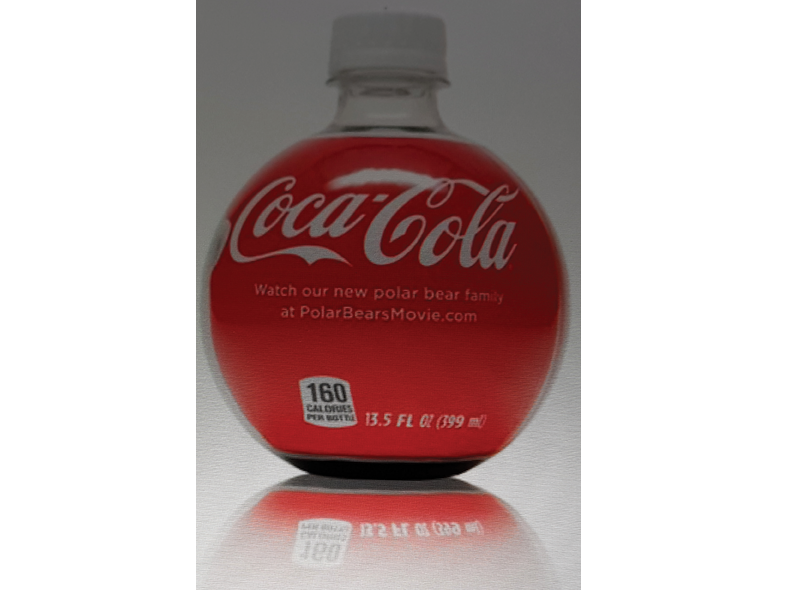
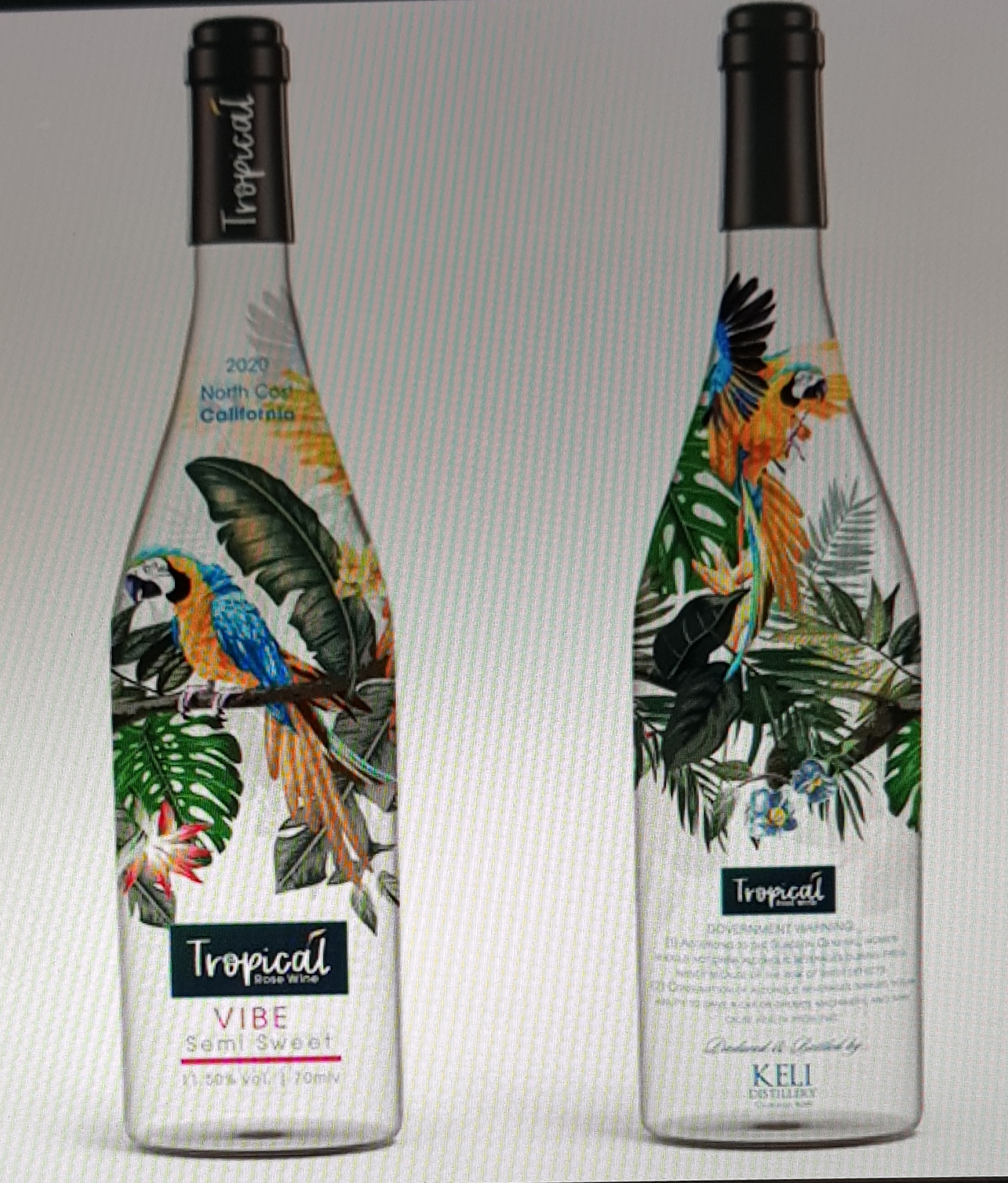
In cooperation with Gmund Papier, the adhesive materials specialists at VPF in Sprockhövel are developing the first self-adhesive label stock made from 100 % hemp. The 120g/m2 hemp paper consists of pure European hemp fibre and is another sustainable paper alternative to conventional papers made of wood. The paper is remarkable for its soft feel, excellent printability and improved waste paper cycle.

Hemp is one of the oldest cultivated plants on earth and was used early on for paper production. The Gutenberg Bible from 1455 was made of hemp paper, and until about 1880, 75 – 90 % of the world’s paper demand was covered by hemp fibres.

Unlike trees, hemp grows quickly, can be cultivated without any problems and can be fully utilised. A hemp field has four to five times the yield of a forest of the same size. Hemp grows to a height of up to four metres within a year and can be harvested three times a year, producing more biomass than any other domestic crop. Since hemp fibre is naturally very light in colour, little bleaching agent is needed for subsequent paper production. Hemp is characterised by fibres that are five times as long as those of paper fibres, which means high tensile, tear and wet strength with accompanying long durability; at the same it time the long fibres means hemp fibres improve the waste paper cycle and can be recycled particularly often, reports the paper manufacturer GMUND.

After lengthy trials and ageing tests, VPF now coats the Gmund Hemp 100 % paper (VPF 10555) with a strongly adhesive UV acrylate, HM716UV with 25 g application weight. Because of the strong final adhesion of the adhesive, the hemp adhesive material can also be reliably bonded to almost all more difficult substrates despite the relatively high grammage of 120 g/m2.

To further optimise the carbon footprint, VPF exclusively uses a 70 g recycled liner (NSA700-476) for the self-adhesive finish of the hemp paper, which consists of 70 % recycled content.

The new type of hemp adhesive material is now available from VPF starting at a minimum quantity of 500 m2. Sample rolls and A4 samples are available at any time.

AeroLED is a high power UV LED system for full cure, printing, coating and converting applications up to 60cm wide. Its innovative design makes AeroLED extremely cost-effective and step changes the accessibility of LED printing.

GEW have announced the launch of a major new product for both the company and the narrow web printing market. AeroLED is a fully air-cooled, high power UV LED system for full cure, printing, coating and converting applications up to 60cm wide. AeroLED delivers power and reliability with a unique concept which eliminates many of the operational problems in existing air-cooled LED systems on the market. Moreover, the innovative design makes AeroLED extremely cost-effective and step changes the accessibility of LED printing.

The benefits of AeroLED

In an AeroLED system, the first significant innovation is in the air-cooling process. Cool, filtered air is distributed from a single centralised fan sited away from the press and exits through the UV lampheads, for quiet and reliable operation. The remote positioning of the fan avoids common problems caused by ink mist and dust ingress, while large air filters reduce the filter replacement cycle. There is no need for integrated fans or electronics in the individual lampheads, which eliminates the high pitched noise and contamination issues that these bring. AeroLED features the same LED chassis and core components as GEW’s LeoLEDlamphead, for proven reliability straight from launch day. As with LeoLED, the new lamp uses GEW’s standard cassette design for easy maintenance, with tough watertight seals to protect the LED modules from ingress and to make cleaning easy and safe. Every aspect of the design has been carefully considered to deliver robust performance and long-term reliability.

AeroLED’s efficient optical design enables the lowest energy usage of all GEW products. This delivers energy savings of typically 50-70%, when compared to a conventional UV arc system. In addition to offering greatly reduced operating costs, printers upgrading to LED are able to free up a significant level of mains capacity, which can then be used to install new machinery and subsequently increase production capability. Two AeroLED systems have a lower electrical supply requirement than just one conventional arc UV system.

In addition to the sustainability benefits of AeroLED, GEW highlight the ease of installation to those considering a retrofit upgrade to GEW’s new air-cooled LED. Robert Rae, Managing Director of Sales at GEW, explains: “As AeroLED has GEW’s familiar E2C cassette design, upgrading an E2C system with RHINO/RLT power only requires switching to the AeroLEDlampheads and the addition of a fan filter unit. All other components on press remain the same. This means that a retrofit upgrade can be implemented in as little as one day, and makes AeroLED the most cost-effective route to LED printing available, worldwide.” He adds: “Those new to GEW products will find the cost of a complete new AeroLED upgrade to be highly competitive, and something that pays for itself typically within two years through energy savings, not to mention the increased productivity that LED systems bring to press.”

Cool, filtered air is distributed from a single centralised fan sited away from the press and exits through the UV lampheads, for quiet and reliable operation.

A further advantage of LED in the curing process is its predictability and stability of UV output. AeroLED delivers a step change in process control by ensuring stable UV output year after year, and eliminates the uncertainty of conventional UV lamps, reflectors and mechanisms to ensure consistent production quality.

As is the case with all new GEW UV products, AeroLED uses GEW’s RHINO power supply and control range, for ultimate reliability with Industry 4.0 approved, IoT Remote Monitoring as standard.

Why retrofit with AeroLED?

UV LED is no longer just a technology for the future, it has become an essential technology for the present day. This change has been driven by the recent and dramatic increases in global energy prices, creating an unprecedented demand for low-energy, sustainable LED solutions as well as improved ink technology and availability. Technological advancement is leading to ever more efficient and cost-effective UV LED products, as is demonstrated by the introduction of AeroLED. Robert Rae summarises his view on the current market: “At GEW we are seeing a record number of orders across all system types and LED business significantly increasing from both OEMs and end customers alike. In the next two years, LED could reach 50% of GEW’s output and we are gearing up for this, with a recent major investment in further new UK production facilities. “He concludes: “With the introduction of AeroLED, with its unique concept and highly competitive cost, the case for printers to upgrade to LED is stronger than ever before. The opportunities are huge and we are convinced LED will soon become the dominant technology in our narrow web market.”

On 17th January 2022, IPAMA had convened the 121st Meeting of its Governing Council virtually, which was attended by majority of its members. The most important point, to organize the 15th PRINTPACK INDIA, was discussed and deliberated. Keeping in view the prevailing conditions and recommendations of the Exhibitors, Associate Partners and in consultation with the officials of India Expo Centre, the Governing Council had decided to postpone the Exhibition for 1 or 2 months and organise it at India Expo Centre from May 26- 30, 2022 which appears a safe period for the Exhibitors and all other concerned parties, including the Business Visitors who are the backbone of any Exhibition.

The 15th Edition of PRINTPAK INDIA Exhibition was scheduled to be organised at India Expo Centre from March 11-15, 2022. IPAMA had also finalised various arrangements well in time for the largest Show in the country on Printing and Packaging Industry. However, due to sudden increase in COVID19 and Omicron cases in different States, the Office Bearers and IPAMA Secretariat officials had discussed to the senior representatives of the Exhibitors and the Associate Partners to ascertain their views relating to the organisation of the Exhibition on the scheduled dates. Majority of them had recommended to postpone the same for a couple of Months, but they were not keen to postpone it for a longer period.

Recognising the imperative need to manage self-adhesive label waste more effectively, Palghar based Renault Paper Products Private Limited lead by Mahendra Shah has installed a waste managing system supplied by MATHO Konstruktion&Maschinenbau GmbH, Germany. Renault, established in 1999 and operating out of 22000 square feet shopfloor with nine label presses have steadily expandedby adding label embellishing capabilities to become a specialized supplier to the liquor industry besides having a host of customers from the leading FMCG brand owners. They have a range of high-end flexo and hybrid presses. They are one of the first to have a combination label press that can produce labels with diverse technologies like Offset, Flexo, Screen printing in a single pass along with capabilities to foil and emboss. On installation of Matho, Mahendra comments, “In today’s time a clean shopfloor makes the workplace more productive and space saving does provide additional area for expansion”.

Leading label producing companies understand and try to implement the need for a cleaner and green workplace. Environmentally and socially responsible manufacturers of self-adhesive label material  or converters of labels simply do not wish to dump their production waste as garbage, in open or covered spaces. Label waste matrix stripped off after die-cutting has tacky adhesive on it and is voluminous . It attracts dust and bacteria so is a health a hazard  and also occupies expensive space that can be used for productive purposes. German manufacturers Matho offers waste management systems to extract the trims and matrix by suction from the slitting machine or die-cutting station to transport it the main equipment to shred the self-adhesive waste without letting it stick to the sides and clogging the pipes and further blow it on to either collection bags in highly reduced space or compact it for easy disposal.

MATHO Konstruktion&Maschinenbau GmbH is leading manufacturer of granulators and waste extraction systems for packaging, converting, and labels industry. Headquartered in Ellwangen, Germany, and with more than 25 years of experience, the company focuses on the entire waste handling process. Their focus includes project planning, manufacturing, installation and commissioning of waste extractionsystems.

The sale of these Matho systems has been handled by Matho’s exclusive agents in India Weldon Celloplast Limited, New Delhi established in 1982, who are providers of total label manufacturing solutions with exclusive representation of leading international equipment brands as principals. Commenting on this sale, Kanwardeep Sahni (KD) Managing Director of Weldon says, “Renault has been a very loyal customer yet demanding the best. Mahendrabhai is a simple person committed to creativity and innovation. Opting for Matho. shows his penchant for creating the right environment at workplace”.

GLENDALE, CA – 7 December, 2021 — Avery Dennison (NYSE: AVY) today announced the launch of AD TT Sensor Plus™ 2 BLE, an active temperature-logging sensor which utilizes Bluetooth® and Near Field Communication technologies. The new product is designed to automate temperature data collection in cold chain logistics, such as the transportation and storing of agricultural goods, seafood, frozen food or pharmaceutical products.

Food waste is a global, multi-billion dollar problem, often caused by poor storage and care during transportation. Temperature fluctuations can interrupt cold chains which then opens the door to premature spoilage.
AD TT Sensor Plus 2 BLE is a cost-effective and system-agnostic temperature-logging solution which can help logistics managers to better monitor and protect the goods they are shipping, ensuring that they remain within a specific temperature range from the production phase to their delivery to the end customer.
The temperature logger combines a wireless near-field communication microchip (NFC) with a Bluetooth (BLE 5.1) microchip enabling the stored data to be extracted via a tap with an NFC-enabled smartphone, or automatically via a Bluetooth access point, such as Bluetooth beacons and mobile devices with bluetooth connection. It can be password protected for access and use, and supports advanced encryption models where needed.
The sensor can be easily reprogrammed to suit particular applications, using a secure NFC link. This results in a single logger that can be reprogrammed with multiple setting options, and reused multiple times to prevent wastage.
Thanks to its long-life battery, users have the ability to record up to 500,000 temperature records on the data logger for up to two years with proven Real-Time Clock (RTC) accuracy. In real-world applications, this means that there is effectively no limitation on journey times, due to the AD TT Sensor Plus 2 BLE’s large memory and lifespan of up to two years.
In addition, this provides reliable and systematic transparency throughout the supply chain, without manual intervention. And thanks to the Bluetooth capability, any process can become more efficient through automated hands off product tracking and data collection.
A user-friendly interface is available on various device platforms, including Cloud-based settings and storage (TTNet), plus a free-of-charge app (TTApp both for IOS & Android) for NFC-enabled smartphones.
AD TT Sensor Plus 2 BLE inlays have a small footprint (70mm x 32mm) and are compliant with ISO 9001:2015 Quality Management and ISO 14001:2015 Environmental Management, which ensure a reliable and state-of-the-art product that meets a variety of logistic requirements, especially in the food and grocery retail industry. The RFID inlays are manufactured according to the industry’s highest quality standards.

After an absence of 2.5 years, Europe’s main flagship of the label industry, Labelexpo Europe, is set to take place from 26-29 April 2022 in Brussels. The world’s largest label and package printing show again promises to showcase everything that is required for an ever-changing, vibrant and still growing sector.

‘The quest for perfect print’ will be an adventurous journey around the latest developments in technology, the brand-new digital embellishment trail, live demonstrations, masterclasses, sustainability and recycling initiatives, and other exciting new features. Moreover, the show is the perfect opportunity for converters to reconnect with peers and suppliers and do business face-to-face again.

Lisa Milburn, Managing Director of Labelexpo Global Series, said: “Exhibitor participation is very encouraging, not only in the numbers that are so keen to reconnect in person, but in the calibre of industry suppliers offering the industry a chance to truly reconnect and do business.”

FINAT presence

In the meantime, excitement is building for FINAT as well, as we all prepare for the big day. This year, the FINAT stand can be found in hall 3, stand C22. The stand will serve as a meeting point for FINAT members and all who wish to get a better understanding of the label industry. The FINAT staff will be happy to answer any queries on how to make use of the many benefits of being or becoming a member. During a happy hour at the end of each day, we are looking forward to reconnecting the European label community after almost three years’ absence of in-person events.

Furthermore this year, FINAT’s presence at the show will have some special features:

  • FINAT will welcome our collaborators from CELAB-Europe, the consortium dedicated to creating a greater circularity for the industry’s products by enhancing and promoting matrix and release liner recycling
  • FINAT will be announcing the winners of the 2021/2022 #LABELicious competition. The aim of this competition is to increase awareness among young creative designers and skilled technologists between the age of 18 and 25 years, of the creative and technical skills involved in creating tomorrow’s labels and label sector.
  • FINAT will display the winners of the 2020 and 2021 FINAT Label Competition that recognises and highlights the advantages and uses of self-adhesive labels and flexible packaging as an effective marketing, promotional or identification tool.
  • FINAT will give a status update of the UVFoodSafe project that after Covid-related delay is nearing completion.
  • FINAT will highlight programme features of our upcoming European Label Forum, from 1-3 June in Baveno (Italy), that after three years’ live absence will be back to provide a unique platform to discuss strategic challenges for our industry going forward beyond the Pandemic. The programme for this event will be announced shortly. Also in the making is the programme for FINAT’s Technical Seminar that is scheduled to take place 23-25 November in Barcelona, Spain.

Health and safety features

Brussels Expo has announced that it has invested in a world-leading air filtration and recirculation system that is also used to disinfect hospital rooms and other public areas. The center guarantees to be a safe exhibition location that, together with other measures and precautions that visitors need to abide by, meets all the necessary safety requirements.

FINAT President Philippe Voet comments: “We are still in the twilight zone between the Pandemic and the reopening of the economy, but I see light at the end of the tunnel. After having lived in a bubble for almost two years now, even within our own factories, I sense a growing urge among members to break away from this enclosure and reconnect with peers, even if only for an informal chat and a drink. Despite the fact that it may be a less global event this time, Labelexpo Europe remains THE European trade show and meeting point for our industry.”

Located in Hyderabad, India, Mold-Tek Packaging Limited is one of the country’s biggest packaging companies. Manufacturers of food grade packaging and a wide range of containers for industrial products such as lubricants and paints, Mold-Tek has a proud 35-year history. With approximately 22% market share and clients such as Asian Paints, Kansai Nerolac Paints, Berger Paints, Castrol India Ltd (BP), Valvoline, AkzoNobel, Shell, Gulf, BP, Mondelez, HUL, Amul and P&G, they are listed as one of the top packaging manufacturers in India. This achievement has been acquired, in part, due to the high-quality equipment it uses to produce its packaging and labelling products for its customers. In March 2021, the company invested in two of Domino’s high-speed, high quality K600i UV-curable inkjet printers, which have been printing variable information onto in-mold labels.

Mold-Tek Packaging Limited offers a wide range of services to its customers, including mold designing, manufacturing injection molding, in-mold labelling decoration, and screen, offset and shrink sleeve printing with all in-house facilities as a complete packaging solution. In order to deliver variable data printing in the form of 2D codes and QR codes for track and trace applications onto in-mold labels, it relies on Domino’s monochrome K600i UV ink jet printer.

“We work with some of the largest corporations in the world,” says PV Rao, Dy. Managing Director at Mold-Tek Packaging. “Consequently, we require the highest quality, fastest and most reliable printing equipment to help us to not only handle the demand in terms of the sheer number of jobs we receive, but to deliver exceptional products that will guarantee customer satisfaction.”

Mold-Tek Packaging first registered its interest in the K600i in August 2020. “When we first approached Domino, we were already aware of their reputation,” continues Mr. PV Rao. “They are a world-renowned brand, known for manufacturing highly reliable and efficient label printing equipment.”

“We print a huge quantity of in-mold labels and our customers were looking for different forms of variable data to be printed onto them. We did some research into the market, to try and find the best solution that could offer 2D and QR codes for track and trace data for security – and it was Domino’s K600i that appealed to us most. We were delighted to purchase the two machines in March, which are both now being used on flexo presses. Their single-pass printing credentials, coupled with simplex and duplex capabilities means we can print onto both sides of an in-mold label with excellent levels of productivity. It was also simple for our operators to learn how to use.

“The quality of the print is excellent, and the K600i also has very sophisticated technology incorporated into it. Domino’s unique, automated, i-Tech intelligent Technology features are helping us to cut down on make-ready times while maximising the potential of the print work.”

The K600i is capable of printing variable data as well as graphics at speeds of up to 200m/min. The high opacity white ink option offers a cost-effective alternative to screen printing. Digital embellishments are made possible through spot varnishing via its UV67CL ink, and with the K600i’s compatibility with various other ink types – including LED and UV-curable, aqueous pigmented, and its food packaging compliant UV97BK ink – this high-resolution monochrome inkjet printer is remarkably versatile.

Ajay RaoRane, Vice President Digital Printing Solutions at Domino India says: “We are delighted to see Mold-Tek Packaging Limited, India enjoying the success of its double K600i investment. For a company with such a prestigious reputation, they understand the need for equipment that can enable them to fulfil the challenging jobs their clients need to deliver. The K600i is helping them to deliver quality products, at speed, and in a way that helps them streamline their operations.

“The printer is highly versatile, so we look forward to seeing how they may use it for other applications in the future.”

The K600i is based on Domino’s proven and reliable Generation 6 inkjet technology, of which there are approaching 1000 global installations. To find out more about this highly productive, monochrome digital inkjet printer, visit the K600i product page:https://go.domino-printing.com/PRJan22K600iPage

About Domino

Digital Printing Solutions is a division within Domino Printing Sciences. The company, founded in 1978, has established a global reputation for the development and manufacture of digital ink jet printing technologies, as well as its worldwide aftermarket products and customer services. Its services for the commercial print sector include digital ink jet printers and control systems designed to deliver solutions for a complete range of labelling, corrugated and variable printing applications.

All of Domino’s printers are designed to meet the high speed, high quality demands of commercial printing environments, bringing new capabilities to numerous sectors including labelling, corrugated, publications and security printing, transactional, packaging converting, plastic cards, tickets, game cards and forms, as well as the direct mail and postal sectors.Domino employs over 2,900 people worldwide and sells to more than 120 countries through a global network of 25 subsidiary offices and more than 200 distributors. Domino’s manufacturing facilities are situated in China, Germany, India, Sweden, Switzerland, UK and USA.

Domino’s continued growth is underpinned by an unrivalled commitment to product development. The company is the proud recipient of six Queen’s Awards, the latest being received in April 2017, when Domino was awarded the Queen’s Award for Innovation.

Domino became an autonomous division within Brother Industries on 11th June 2015.

For further information on Domino, please visit https://www.domino-printing.com/

Paperex, the internationally renowned series of exhibitions and conferences focusing on Paper, Pulp and all Allied Industries was originally scheduled to be held on 9-12 January 2022. Considering the situation due to spread of Covid-19, it was postponed to March 2022 however, on considering the safety of exhibitors and visitors, new Government guidelines and exhibitor suggestions, it is now rescheduled to be held in 10th-13thMay 2022 at India expo Centre, greater Noida India.

At Paperex, one gets to witness latest technology, machinery and raw material for paper & board manufacturing: complete paper mill machinery, automation & instrumentation, bearing & accessories, boilers & turbines, industrial gears, rolls & rollers, pumps valves & systems, quality control equipment & system, raw material handling, stock preparation equipment, testing equipment’s, transport & material handling. The show hosts buyers from paper & board manufacturers, paper traders, printers, publisher, converter and paper packaging companies, designers for corrugated box & related packaging, investors & promoters.

The decision to reschedule this important event has been taken with overwhelming support from industry including prominent industry associations and industry leaders like; JK Paper. Trident Group, ParasonMachinery and other key institutions.

This strategic association will allow businesses to capitalize on packaging trends like personalization, short-runs of multiple SKUs, print-on-demand, sustainability and smart packaging.

In a bid to expand its distribution network in India for digital printing business, HP today announced a strategic association with TechNova Imaging Systems – the largest offset plate manufacturer in  India catering to print & packaging industry for over 50 years. Committed to help businesses increase speed, efficiency, and cost-effectiveness of digital print solutions, this association aims to advance HP’s market leadership in India’s digital printing business.

HP’s innovative products and TechNova’s market reach and deep customer trust will help drive digital transformation in the imaging & printing space. TechNova is partnering with HP to introduce HP’s highly digitalized and automated Indigo printing presses and solutions in mono carton and label segment. This association will also improve TechNova’s product offering and enable exploration of more high value applications and benefits of digital printing.

Redington will continue to be HP’s trusted partner covering the commercial and Photo segments even after this expansion.  Our partnership with TechNova is aimed at increasing our market segments by harnessing our strong synergies with Technova.

TechNova is one of the world’s largest suppliers of print solutions with several breakthrough technologies and innovative products that have transformed print processes and created new markets. Founded as an offset plate manufacturer, TechNova in now a recognized name in pre-press, pressroom chemicals and as a manufacturer of laser and inkjet digital print media.

Announcing the association, A Appadurai, Country Manager – Indigo & Inkjet Business Solutions, HP India said, “We are extremely excited to associate with TechNova for HP’s Indigo range of printing solutions for the folding carton & labels segment. TechNova’s reach, relationship, local infrastructure, workflow knowledge and deep understanding of the Indian printing & packaging industry will help customers make a seamless transition to digital printing”.

C G Ramakrishnan, Executive Director and CEO of TechNova said, “TechNova’s mission has been to provide a Total Imaging Ecosystem with best-in-class products to enhance the competitiveness of Indian printers. We are delighted to associate with HP, as this alliance will allow us to offer the full range of cutting-edge solutions to our customers. It is truly a win-win-win partnership for TechNova, HP & Customers”

The current global trends in packaging printing business include personalization, short-runs of multiple SKUs, print-on-demand, sustainability, smart packaging, among others. Through HP’s Indigo portfolio, customers can benefit from the trends and overcome operational challenges to generate new revenue streams. With HP’s Indigo technology, customers can place orders for short runs without getting restricted by a minimum quantity requirement. Resultantly, this reduces set-up times, making the printing process faster & more cost-effective. It also allows packaging printers to flexibly personalize the output using variable data printing technology, on a wide range of packaging media—from labels to folding cartons.

“HP’s futuristic digital solutions & marketing acumen, integrated with TechNova’s innovative strategies, unparalleled service, extensive reach and 50 years of customer trust & goodwill is a formidable synergy that will provide our customers with a unified ecosystem to generate new profits.” said Amit Khurana, COO – Digital & Offset Print Solutions at TechNova.

Along with the benefits of digital printing, HP places immense focus on making printing more sustainable, thereby supporting customers to adopt more sustainable packaging solutions. It also offers other unique features including the widest media compatibility, unmatched color and ink capabilities, high coverage printing, fastest print speeds for high-quality applications, along with exclusive security features.

About HP Inc.

HP Inc. is a technology company that believes one thoughtful idea has the power to change the world. Its product and service portfolio of personal systems, printers, and 3D printing solutions helps bring these ideas to life. Visit http://www.hp.com.

The following news is reproduced as it appeared in Printweek

https://www.printweek.in/news/packaging-major-parksons-acquires-manohar-55449

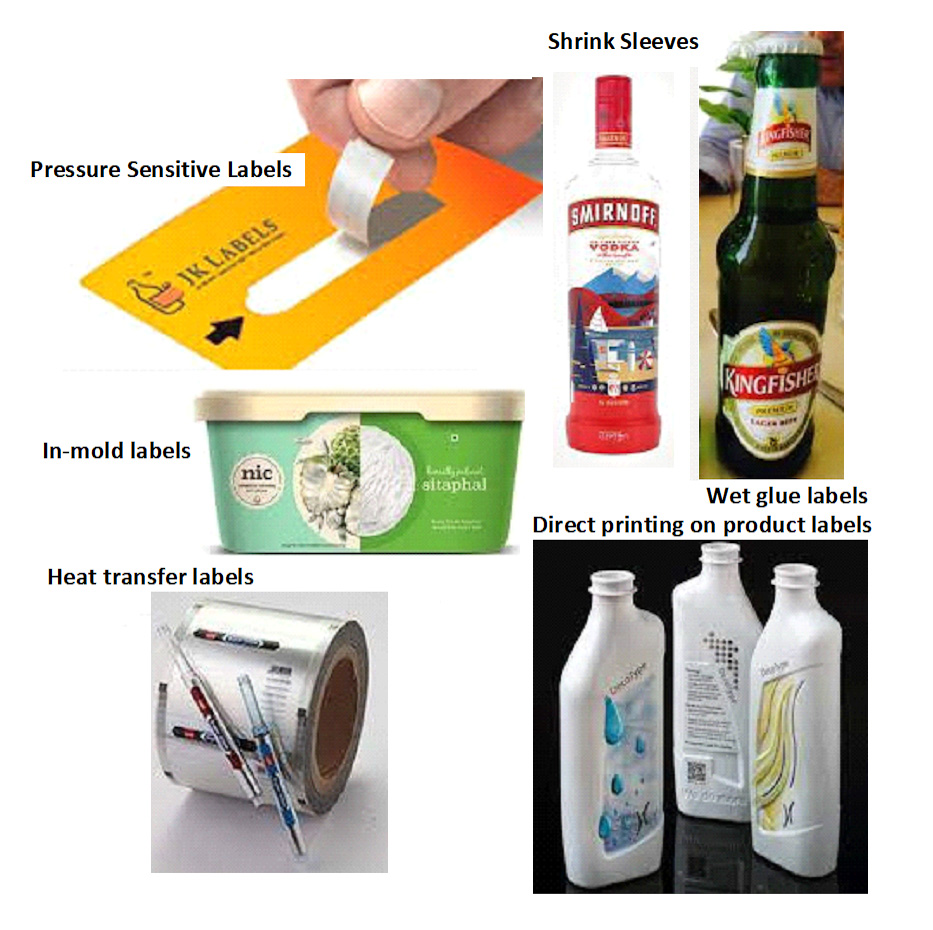
Various dictionaries or even Wikipedia describe label as a piece of paper, plastic or another substrate affixed to a product giving information about it. The label has now attained a broader perspective. It has become the bridge between the end user and the producer. It can be embellished such that it becomes the sales enhancer, reaching out and tempting the end users to lift it off the shelf. It also has features that communicate with the cashiers in retail, the finance persons for accounting, the logistics department, the purchase department to fix reorder levels, facilitate ecommerce and much more. The label is also the guard for consumers, providing information of authenticity to them as also aiding the track and trace process to put a check on counterfeiting. Surely the label is a very important and  sensitive part of any product, without it the products have no value, no recognition and no safety. In earlier times it was just a piece of paper with a simple letter press printing and affixed with the help of glue to the product. Printing technologies have evolved and become advanced, moving into different tangents providing a plethora of printing options ranging from the lithography in earlier times to screen printing, offset printing, Rotogravure printing, flexo graphic printing, several types of digital printing and so on. Similarly diverse labeling technologies to affix the labels on to products have been developed, moving away from the glue applied or wet glue labels mentioned above.


The labeling technologies in use now include;


  •  Pressure Sensitive Labels or Self-adhesive labels
  • Wet glue or glue applied labels
  • Shrink Sleeves
  • In-mold labels
  • Heat transfer labels
  • Direct printing on product labels
  • Others


Market size: The total global label market size has been estimated by various evaluators and market research companies to be around 45 to 55 billion square meters and estimated to reach 65 to 70 billion square meters by 2025 growing at a CAGR of 4-5%. Asia Pacific remains the region registering biggest growth. Pressure Sensitive Labels have emerged as the most widely used segment of the labels at 50 to 60% of all the labels used. This is followed by around 25-30% of Wet glue labels, less than 15% for Shrink Sleeves and less than 4% of IML. The constant growth in the demand for labels is fueled by the innovations in printing, converting and application technologies some of which are driven by the need for environmental concerns and sustainability imperatives.


Pressure Sensitive adhesive labels: If we look back into history of label usage in India, until the mid-1960s it was just the wet glue labels that were in use and registering continual growth in the quantum of labels in use. All labels were applied by starch or other natural gums-based adhesives. When automatic label applicators started being used to label, due to warping and slow drying issues, high solids dextrin based adhesive and synthetic resin adhesives started being used. With advent of development pressure sensitive adhesive labels in the late 1960s as stickers in sheet format the journey of these PSA labels began but it was not until the mid-1970s that the stickers started being produced as labels in roll form to be dispensed in high-speed label applicators in automated packaging lines. The ease of use, options to also use other than paper substrates, better aesthetics and ongoing developments in printing, converting and decorating technologies inline in a single pass, brought rapid growth to PSA labels usage. The continual growth has taken the market size of PSA labels way past the 50% mark of the quantity of total usage of labels. At the onset of a new millennium there was talk of the impact of the liner and label matrix waste going to landfills and at this time alternative technologies started evolving. By the second decade the environmental and sustainability became a necessity to implement and indulge in alternative labelling technologies. Linerless labels has made some headway, but it remains a PSA label technology that still has to evolve to reach acceptability by end users.


Wet glue labels: Traditionally this was the predominantly employed labelling technology but with the advent of PSA labelling, it lost a lot of ground to it. Unlike PSA labels that are applied by contact and pressure, in wet glue labels the glue is mechanically applied before application and left to dry on the moving packaging belt before going into final cartons. The need for clean room requirements and safety standards implementation in production areas of pharma and food companies, made end-users and brand owners of pharma and fmcg companies move away from wet glue labelling which required the continuous cleaning of applicators and production shop floors due to dripping adhesives attracting dust and bacteria. The growth in wet glue even though positive but is being slower than that of other technologies, it is losing the eventual market share. Presently when there is growing awareness of liner and matrix waste going to landfills impacting the environment adversely, wet glue labels application technology may undergo technical changes towards ease of use, be sustainable, cost effective without the liner and become a preferred technology. However, it is a little premature to expect a substantial change in this labelling. Major users of wet glue labeling are beer, liquor and wine producers.


Shrink Sleeves: These labels are printed on a flexible shrink film that reduces in size on application of heat and conforms tightly to the shape of the container or product, creating a colorful label with 360-degree coverage. These though originated in the mid-1930s as a cap seal for milk bottles, but it was between 1961 and 1980 due to pioneering work done by Fujiseal that the shrink sleeves attained full size labels shape for commercial usage. In 1991 Mumbai Headquartered, Paper Products Limited  which is now Huhtamaki India Ltd., under license from Fuji Seal for shrink sleeves started manufacturing these in India. Heat shrinkable specially formulated PVC has been the most used polymer but now due to toxicity issues linked to PVC, usage of PE and PET have increased. The global market size for shrink sleeves estimated by many market research companies is more than 11 billion US Dollars growing at a CAGR 0f 6.5%, but the author’s opinion is that in India it is growing at over 10%. Earlier all the shrink sleeves were printed on rotogravure printing equipment which means only very large print runs were needed because the cost of heavy and wide rotogravure printing cylinders needed long setup times. All that has changed, now shrink sleeves are also printed on Flexo and digital presses making very short runs possible thereby providing an impetus to the demand of shrink sleeve labeling.


In-Mold labels (IML): Paper or film printed labels (mostly filmic) are placed inside the molds during the blow or injection molding process. After placing the label, molten plastic is injected or blown into the mold. On cooling the label is fused with the resin, takes the shape of the so molded container and becomes an integral part of it. This needs no affixing and no use of any applicators providing an extreme ease of use for the end user of products like Lube oils, Paints, Ice creams, Butter, Cooking oil, Food products, etc. These labels that debuted sometime in the late 1970s can be printed by diverse printing methods but in recent times there has been extensive use of flexographic printing for IML. The IML segment is environment friendly and sustainable. As no adhesive or release liner is in use. In fact, if the polymer of the label and the container is same family, recyclability is possible leaving no adverse impact on the environment. The growth of this segment in India again appears to be much in excess of the global estimation of 5.5%. Many container manufacturing plastic molding companies in India have started to produce their own in-mold labels in-house for captive consumption and use robotics to place the labels in the molds before the molding. Hyderabad head quartered Moldtek and Kapcones, Delhi are some of the prominent IML containers and in-mold label manufacturers in India.


Heat Transfer Labels: Heat transfer is a labelling technology originally branded as Therimage, was developed in the 1960s by Dennison manufacturing Company USA, in which only the reverse printed label  on film or paper are transferred on to containers, using heat and pressure. Only the printed image without any substrate is transferred. Dennison manufacturing Company was later acquired by Avery International Corporation and the company was renamed Avery Dennison. These labels are printed by rotogravure printing process and transferred with help of Therimage heat transfer applicators. Evolution may soon see adaption of this technology by flexo and digital label printers. Once applied, the labels are permanently adhered to the container, they are sustainable as the containers can be recycled without removing the labels. Pens and other small radius containers use this technology because a decorated image is transferred without the problem of edge lifting of label face as in self-adhesive labels, on tightly curved containers or products. The technology provides a seamless, aesthetic, “no-label” look and offers 360 degrees print visibility. In the early days of the new Millennium, Dabur’s Chyawanprash containers were printed with this technology, at that time licensed by Avery Dennison who later sold the division to MCC (Multi-Color Corporation) the global producer of labels.


Direct printing labels on product: This direct printing on products appears to soon become a disruptive technology, when evolved and ready for widespread usage it would do away with all substrates and adhesives while printing multicolor images digitally and variably directly on the packages or products. There are multiple technologies that can do the direct printing. Some of these that already exist include screen printing which has been extensively used earlier on flat surfaces and even on plastic containers but with development and need for highly decorated labels the screen printing had to take a back seat. Pad printing that uses a silicone pad to lift inked images from an etched plate and transfer them to the products is also in use but being a slow and simple printing technology, it’s use is limited to simple images. Contact printing using polymer type faces on a roller printing on cartons was in use for long but the use of  monochrome inkjet printers did not let this technology expand more. The most disruptive development that is being seen and when fully developed to find extensive usage is multi-color digital printing and embellishing directly on containers, packages and cartons. The shortcoming at this time is the cost of consumables which with increasing volumes are expected to recede. It will not be very long before we start seeing this happening extensively doing away with face papers, release papers and adhesives to a great extent.


Surely, despite these technologies appearing to be disruptive yet one can safely express that all these divergent technologies will still co-exist, and some may be complementary to each other.

Written by Harveer Sahni Chairman Weldon Celloplast Limited New Delhi. October 2021