The Indian self-adhesive label industry has not only transformed in terms of printing and converting processes but has also evolved tangentially incorporating various technologies to label the products. The evolution is ongoing and keeps presenting immense challenges to label printers, suppliers and equipment producers. An industry focussed primarily on its self-stick capabilities now has moved into diversified label production, decoration, application and dispensing methods. Label is not merely a sticker but a branding tool that can be created and applied in various ways as perceived by the imagination of the Brand managers and marketing professionals.

From the mid-1960s when stickers in India started being produced manually by screen printing, the production processes used have undergone a sea change. The printing process evolved from flatbed letterpress to rotary flexo and then to combination and hybrid printing. These were just the changes that happened either in terms of label substrates varying from paper to filmic or changes in printing methods, may they be letterpress, flexo, screen, gravure, offset, digital or combination. In the new millennium the tangential evolution commenced. Shrink Sleeves providing 360 degrees label space on product came in however still due the sheer inertia of growth, the self-adhesive labels continue to grow. Environmental concerns are bringing in need for thinner liners in self adhesive to reduce the quantum of waste going to landfills, this is also leading to development of linerless labels. Digital labels are catching up fast but the bigger challenge it appears, will come from digital printing and decoration direct on products eliminating need for label substrates, liners and adhesives.

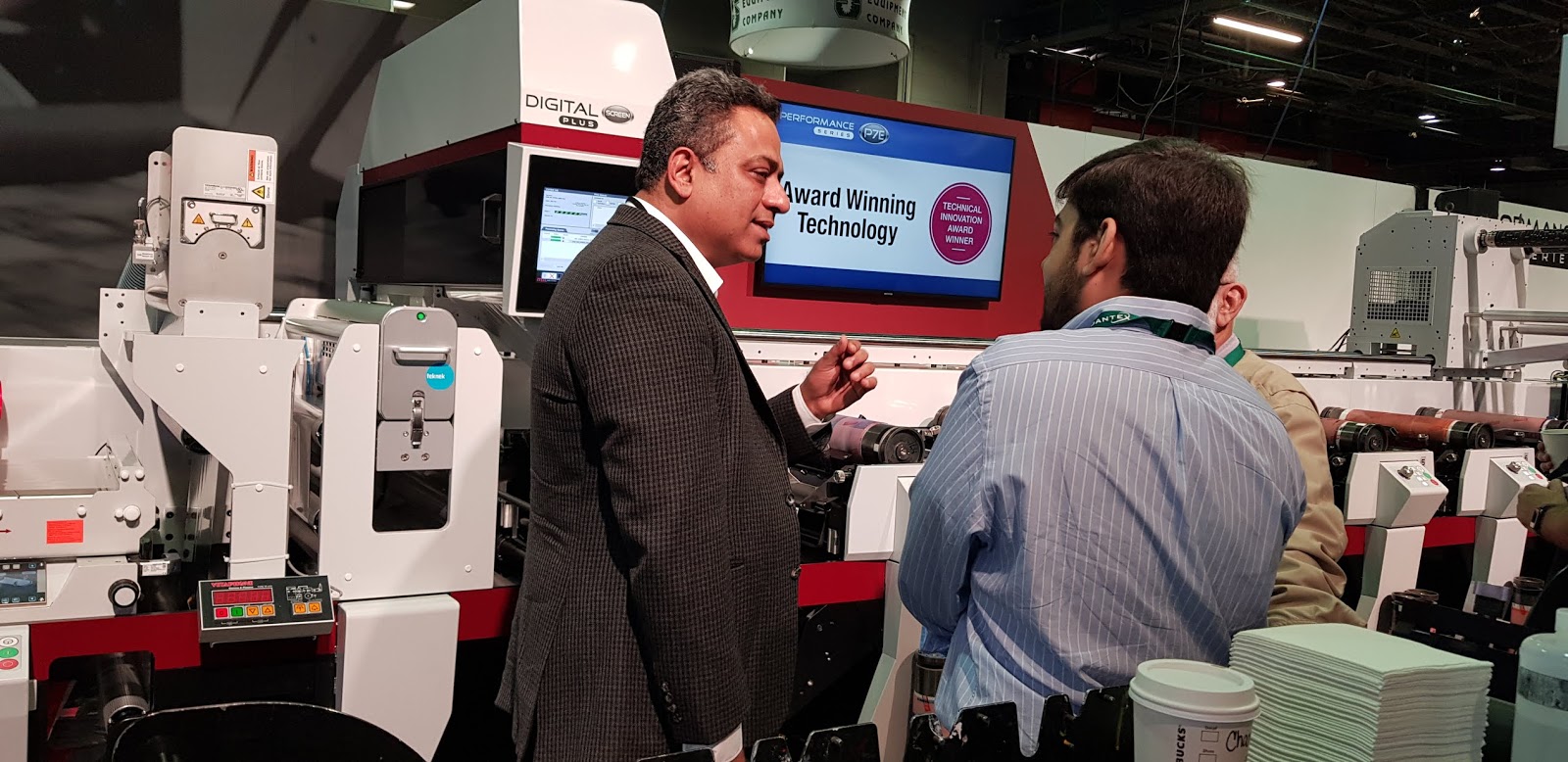
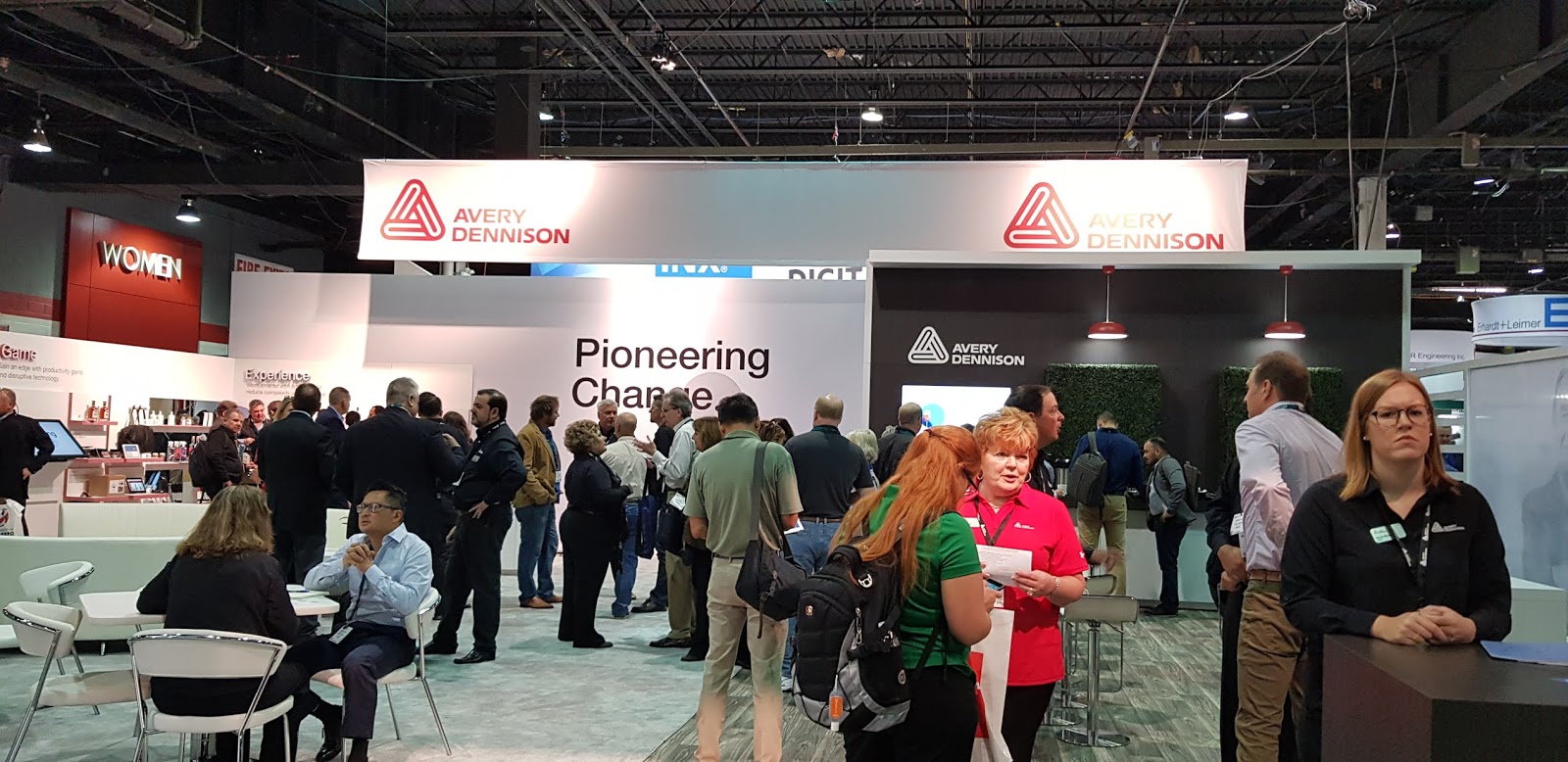
At the last labelexpo India 2018 the author had a one to one discussion with Pankaj Bhardwaj Senior Director and General Manager at Avery Dennison India Pvt Ltd for his views on the way forward for the label industry. He feels that there is nothing to worry as while the consumer story is intact, and decoration of labels is in intact, at Avery Dennison, we are still able to convert users from wet glue to pressure sensitive adhesive labels, achieving a stable double-digit growth on an ongoing basis.

 According to him changes need to come from two directions and have started coming in, the first is decoration technology which comes with increasing the means of producing such happy and complex labels.  Technically advanced labels that are the real products like RFID labels and labels with special features are needed to be developed. The second change according to Pankaj is the need to be prudent in prices and focus on the product mix. These two changes are the way forward, he feels. Stagnant price of labels with reducing margins does impact the bottom line of printers negatively. It is thus that, currently; offering the right product at the right price is very important.

When questioned about the challenges emanating out of labels evolving as mentioned in the first paragraph herein, he does agree that linerless labels have come but their extensive growth will happen only when they are technically and commercially viable. RFID surfaced during World war II, it is only now, in the last 3-4 years that it is becoming viable.

Avery Dennison is aware of the changes and continues to offer technically advanced products even for linerless labels. They have also invested in a venture producing liquid displays, Printed electronics and will diversify into technically complex products. They are a Pressure Sensitive Adhesive (PSA) label and graphic material producers. While PSA remains their basic offerings, yet they also sell non-PSA products. When asked about the impact of direct-on-product digital printing, he does agree it may affect the usage of self-adhesive labels but there is time for evolution to happen and by then the existing market will also have grown and alternatives developed so the technologies will evidently coexist.

Witnessing the success of labelexpo India and the number of label presses being invested in, he was asked if he felt India was booming in labels. In response he says the present growth of course is positive and is well reflected if we consider Unilever as a barometer, they have reported double digit growth for three quarters in a row. This does indicate a growing demand for labels and packaging. However, he feels this buoyancy is the residual effect of the negative impact on demand due to demonetisation and imposition of GST last year.

It created a void that is being compensated by an increased demand this year. Commenting on Labelexpo he said. “It is an important show, here we get to see a lot of technology and in which direction India is moving.” He added that labels as they are being produced now calls for increased capital investments on a regular basis. There is now an evident awareness of environmental issues which indicates that we are moving in the right direction. It is also an imperative that while expanding we make the business model more sustainable. “Surprisingly there is a lot happening at the bottom of the triangle” he said referring to the smaller printers indulging in moving up the value chain. The smaller producers were until recently dependent on pre-gummed sheets printed by offset, old flat bed letterpress machine or even screen printing. These printers are now installing flexo presses procured either from Indian manufacturers of presses or Chinese presses or used flexo presses, providing the growth impetus to the label industry.

When questioned that the industry has seen the top local Avery Dennison management in India move in a typical fashion. Raj Srinivasan, Anil Sharma and now Pankaj, all started with domestic responsibilities and were then moved out on to global responsibilities. He responded, “Avery Dennison is a great place to work with. It is a dynamic company that has recognised the talent from India. They are expanding their business in APAC region and globally utilising this talent effectively.”


Written by Harveer Sahni Chairman Weldon Celloplast Limited New Delhi. December 2018. 
Publications are free to reproduce the above article giving credit to author.

Indian Label industry has for the last many years been registering steady double-digit growth. The industry largely consists of family-owned small or medium-sized enterprises employing 1-5 label presses. A handful of larger enterprises have surfaced in recent times due to acquisitions or mergers by multinational companies.

The size still needs to become bigger to reach the size of large international label producers. Ironically some of the upcoming existing companies in this segment who were growing and appeared to become large players, opted to be acquired rather than go it alone. We do see some Indian owned label companies now rising from the crowds to become evident in growth beyond the average size. It is hoped that they will also not opt to be acquired, we do need indigenous companies that will grow and prove their mettle. There is an imperative need for these companies to break away from being single owner or family driven businesses to become professionally-managed entities. They need to optimise production processes, manage wastages, invest in workflow automation, etc. leading to continuous growth and better profitability. Stronger bottom lines in the industry is sure to enable printers investing in expansion and employment of new technologies leading to evolution of the industry, presenting state of art products. A large population and expanding retail trade are driving the demand for labels. The industry that originated in just the metro cities is now spreading to the interiors of India, there is need for further growth as printers realise the need to be multilocational to be able to service customers in a large country more efficiently. At this time the exhibition Labelexpo is looked at with interest as it provides knowledge not only to existing printers but also to new entrants. It showcases the best of indigenous and international label production equipment, materials and consumables at one place. India’s label association LMAI not only supports this important exhibition but also adds value to it by organising events on the side lines, making it worthwhile for their printer and supplier members.

LMAI, L9 meet: L9 is the informal platform of leading global trade associations for the labels and narrow-web industry which was founded in 2009 for the purposes of communicating regional issues and developments to the global industry, identifying and jointly examining issues of transnational concern to industry members, sharing information, developing and recommending best Industry practices regarding efficiency,

training, technology, safety and environmental matters, recognizing Industry achievements and pursuing such other programmes and activities as may promote and better the industry worldwide. The alliance consists of LMAI (India), JFLP (Japan), FINAT (Europe), TLMI (North America), LATMA (Australia), PEIAC (China), AMETIQ (Mexico), ABIEA (Brazil) and SALMA (New Zealand). Every year L9 meets in one of the member association countries. At the last 7th L9 meet in Beijing China it was decided that LMAI India will host the next meet. LMAI has made elaborate plans. It is now scheduled to be a 4-day prestigious global meet that will include multiple events and agendas including Label Exchange Program, L9 Board Meeting, Industry visits, Labelexpo visit, networking and leisure activities. The event will also cover a wide range of subjects within the label industry including sourcing and consumption of raw material, future demands, quality parameters, new machinery, innovative technologies and global trends. 

Spearheading the program LMAI past President Sandeep Zaveri says, “We are very excited to welcome the L9 participants to India” acknowledging support of his LMAI colleagues Vivek Kapur, Amit Sheth, Ajay Mehta, Harveer Sahni, President-Kuldip Goel, Rajesh Nema, Ramesh Deshpande and Dinesh Mahajan in organising this important event, he further adds, “It is an opportunity for all our label printer friends to meet international label printing leaders and hear them on various ascents like recycling sustainability.” The L9 meet and related events are sponsored by SMI Coated Products as main sponsor and Intergraphic Pulisi. 

LMAI Avery Dennison Label Awards Night: This prestigious Label industry biennial event has

traditionally been organised by Tarsus, the organiser of Labelexpo India along with the show Labelexpo. This is the first time that the event is being organised by LMAI under the leadership of their President Kuldip Goel. LMAI Avery Dennison Awards night will take place on the first day of Labelexpo India on 22nd of November 2018 at Expo Mart Greater Noida, UP India. It is expected to be a memorable event full of information, presentations, entertainment and global networking opportunities as the international visitors who will come for L9 meet will also be present. The award categories are as follows;
·       Flexo Category 
·       Letterpress Category
·       Offset Category 
·       Combination Printing Category  
·       Digital Printing Category 
·       Screen Printing Category
·       Rotogravure Category (under Gold Category)
·       Booklets & Coupon Labels Category (under Gold Category)
·       Innovation Category (under Gold Category)
·       Green Sustainable Category
The entry to the awards night function is restricted to either invitees or paid ticket holders.
PRICES AND BOOKING;
·       Individual places – per seat price – Rs. 3999
·       For LMAI members the cost is subsidised to Rs. 2999 Sponsors for this gala night are as follows;

  • Avery Dennison           Gold Sponsor
  • Vinsak                          Silver Sponsor
  • Nilpeter                        Silver Sponsor
  • SMI Coated Products   Silver Sponsor
  • OMET and Dupont      Silver sharing Sponsor
  • Intergraphic Pulisi        Silver Sponsor
  • Gallus/Heidelberg        Silver Sponsor
  • J N Arora and Co.        Silver Sponso

Labelexpo India: Labelexpo India is scheduled to be held at Expo Martsharing , Greater Noida, UP India from 22nd to 25th November 2018. It is the largest event for the label and package printing industry in South Asia – with more products, more launches and more live demonstrations! The exhibition will display Digital and conventional printing presses, High tech label and packaging materials, Prepress and platemaking technology, Finishing and converting systems, Inspection, overprinting and label application equipment, Dies, cutters, rollers, Inks and coatings, RFID and security solutions, Software and interactive technology. Spread over 4 days in 4 halls the show has 250 exhibitors which include Avery Dennison, Bobst, Esko, HP, Hyden Packaging, Martin Automatic, Monotech Systems, Nilpeter, OMET, RK Label, Xeikon, and Zhejiang Weigang Machinery. The last labelexpo India in 2016 saw over 8000 visitors.

Brand Innovation Day: Labelexpo India 2018 hosted “Brand Innovation Day” will take place on the afternoon of Thursday 22 November (Day 1 of the show). It will include a series of presentations followed by a short tour of key suppliers, highlighting the latest technologies and showing how brands can achieve stand-out product presence. About 50 brand owners and packaging designers in India are expected to attend. The purpose of the program is to equip delegates with expert insight into making the most out of their brand, how they can overcome key challenges on the path to future growth and staying ahead of competition in a fast-paced industry. 

Labelexpo Global Series managing director Lisa Milburn, who will open the Brand Innovation Day, said: “Our most commonly asked question at Labelexpo India is how brands can learn how to use their labels and packaging to stand out from the competition. Given the success and popularity of our educational program for our other Labelexpo events including our Americas show in held in last September, we wanted to provide similar opportunities for Labelexpo India attendees. The appetite for labels and package printing continues undiminished in India and it is now one of the biggest growth markets, so it felt the right moment to offer this educational opportunity to brand owners and packaging designers at the show itself. “The Brand Innovation Day” is a rare chance for them to gain industry insights into how a brand can be inspired to innovate, experience the highlights of Labelexpo India 2018, and learn the tricks of the trade from the experts.”

The Labelexpo India Brand Innovation Day is sponsored by HP, Avery Dennison and SMI.
The above article is written and compiled by Harveer Sahni, Chairman Weldon Celloplast Limited New Delhi India, October 2018

I have been attending labelexpo exhibitions since the onset of new millennium. In those days there was only the main event Labelexpo Europe in Brussels followed by Labelexpo Americas in Chicago and labelexpo Asia in Singapore. Labelexpo Asia was later moved to China which eventually settled down as labelexpo China as the market for labels started booming there and the sheer market size due to the population there, drove in visitors. However, as I see, it is now primarily a China show, though visitors still do come there from various countries due to the price considerations of Chinese products. The mother event of Tarsus, “Labelexpo Brussels” continued to grow phenomenally and became the centre stage for the global label industry suppliers to showcase their products and project the ultimate evolution of label production technologies. It is a must attend event for any progressive label producing company. It would not be wrong to say it is the “Mecca for label printers” around the world! Labelexpo Americas was the second most important show of Tarsus, more so because it was the home turf of industry founder R Stanton Avery, also because USA has the highest per capita usage of labels. However, since the importance of the Brussels show escalated due to geographical global growth of label industry, labelexpo Americas comparatively became a region centric show which has not lost its relevance because it still contributes largely to innovation and evolution of label making. It is surely smaller in size than the parent event at Brussels.


Tarsus saw the proliferation of label industry into other parts of the world and felt there was a need


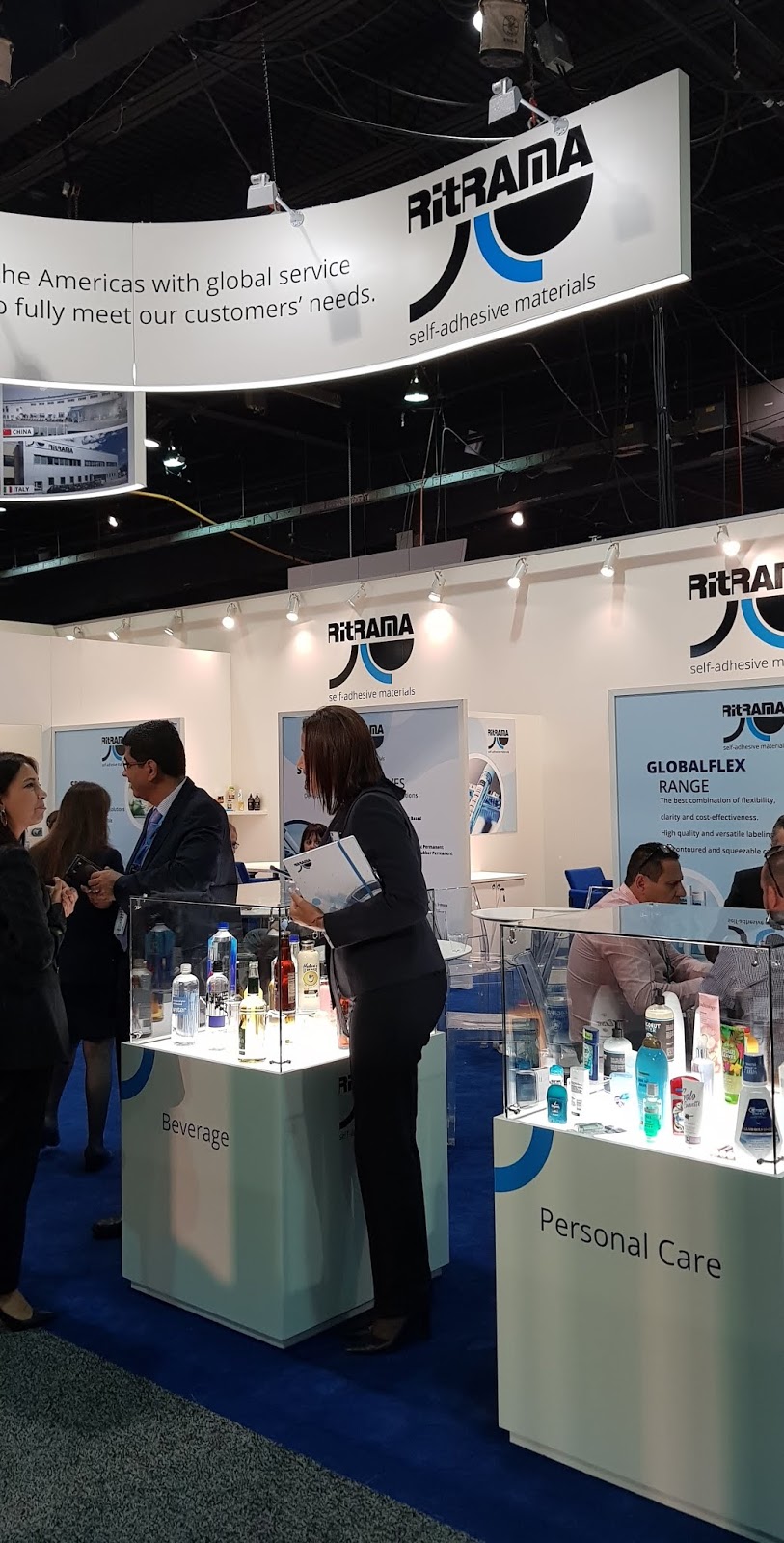
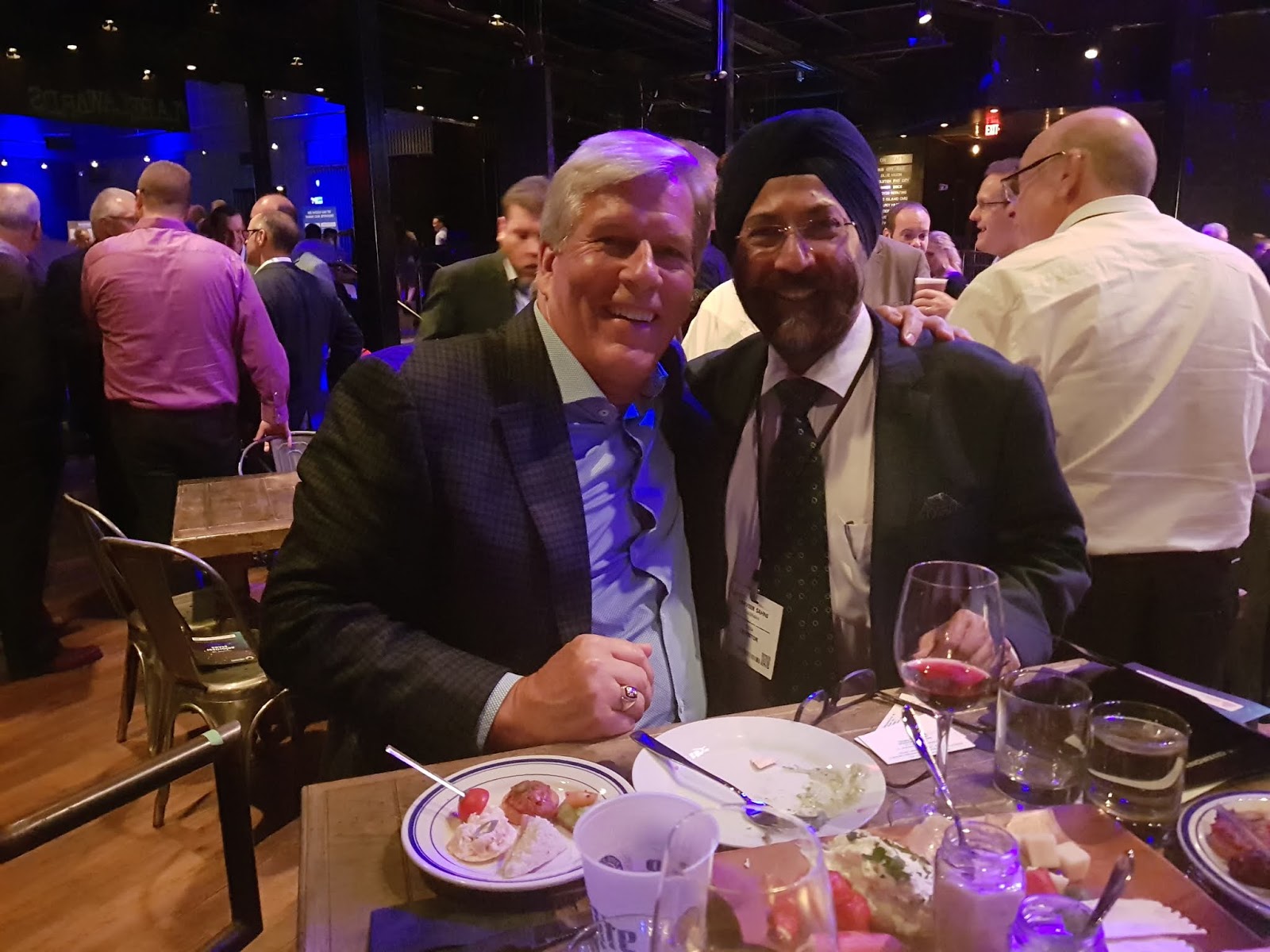
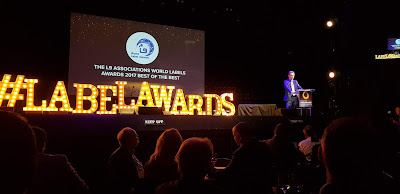
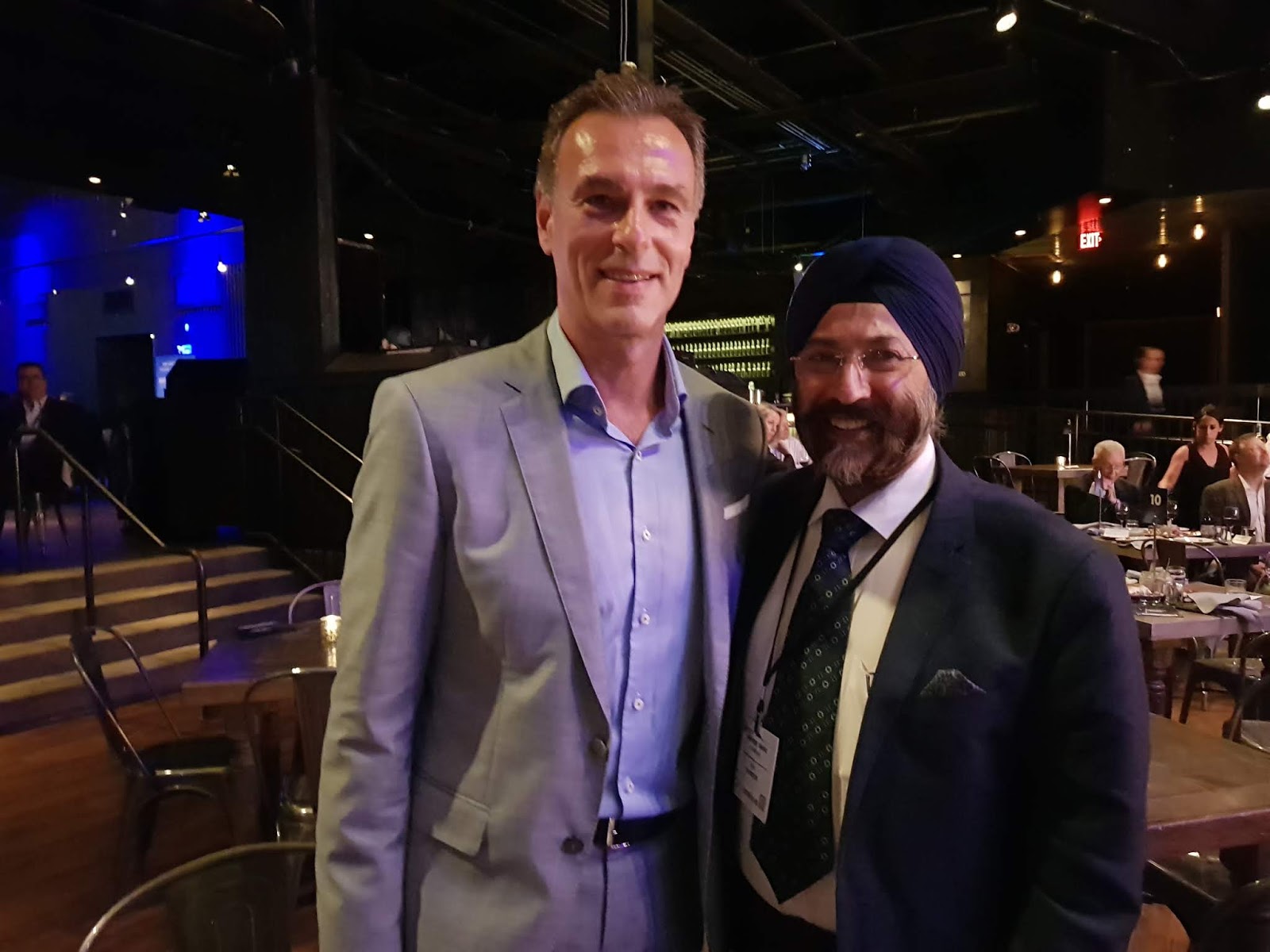
to have presence in countries that saw growth of retail and a growing market for labels. In an effort, to bring global technologies to their doorsteps and to make it convenient for printers who were small and had potential to grow but could not travel long distances to witness the evolving technologies, they moved to other countries. They acquired the “India Labelshow” and renamed it Labelexpo India. Recently also launched a show Labelexpo South East Asia in Bangkok to cater to the South East Asia markets. With growth of labels and packaging in the MENA region, they have the Gulf Print Pack in Dubai. They have also started to hold label summits in Africa and Latin America as a precursor to setting up shows there when situation warrants. Labelexpo Americas 2018 was recently held in Chicago from 25-27 September 2018, I had the opportunity to visit and connect with peers on the industry. I call my personal visit and meeting global label industry friends as “Bonding in labels”! A day before the show opened on 24th September 2018, the judging for World Label Awards took place. I feel honoured to have been one of the judges for this global competition which was chaired by Mike Buystedt of Flint Group who moderated it with professional efficiency. I reproduce my pictorial attendance at this event and the events on the side-lines. I always feel pictures do communicate more than the words.


Judging for World Label awards in progress


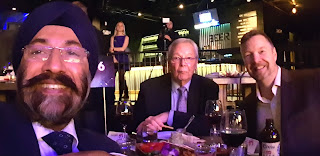
On the evening preceding the opening of Labelexpo Americas, a networking gathering was arranged. It was a good to connect with global Industry friends, I personally call it "Bonding in Labels". In the picture is Jules Lejeune-Managing Director FINAT, Dan Muenzer-President TLMI and Noel Mitchell-label consultant and former Vice President UPM Raflatac.


Nilpeter Stand


Gourav Roy of FIG at the Mark Andy Stand


Gavin Rittmeyer VP Martin Automatic


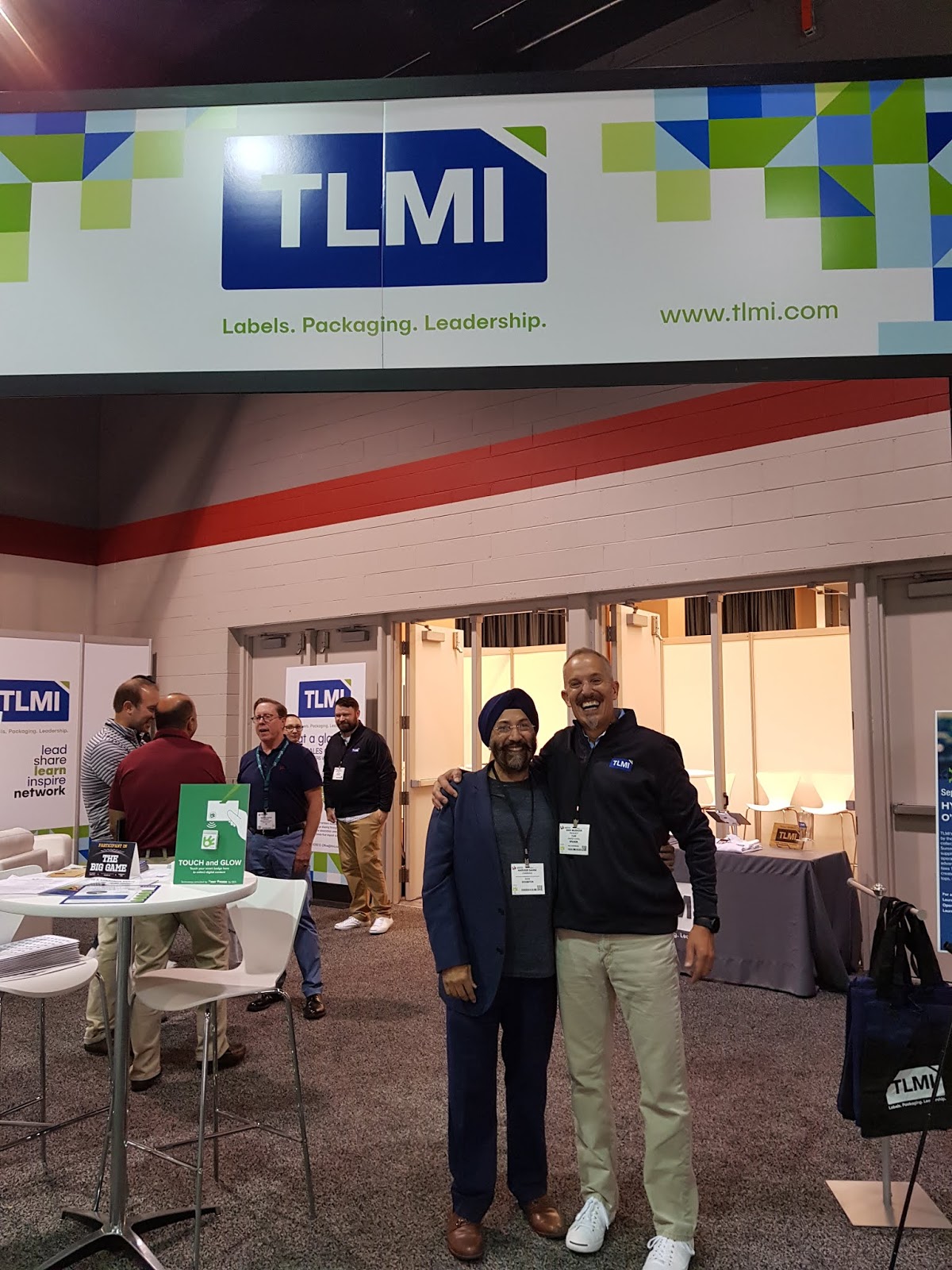
Craig Moreland Chairman TLMI

 
Label Awards Night


Georges Gravanis President Label/Graphic Materials Avery Dennison
 
 
Lisa Milburn MD Labelexpo and Keren Bec Mexico


Bobst Stand


Gururaj Ballarwad of Signode India with Ramon Li of Brotech China 


Christian Menegon HP


Gallus Stand


Automation Area


A selfie with Label Guru Mike Fairley and Andy Thomas


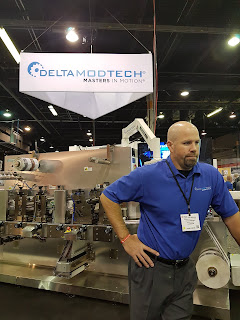
Delta Modtech


Amit Sheth at Pulisi Stand


Steve Katz Editor Label and Narrow 
 
Dan Muenzer President TLMI
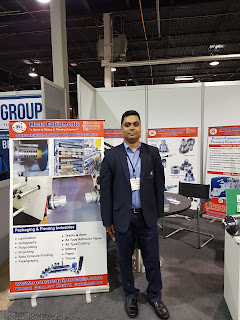
Indian Exhibitor Mona Equipments
 
 
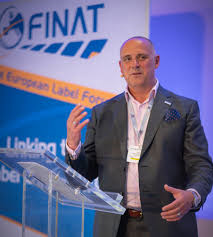
Finat President in a meeting


The above presentation is written, produced and compiled by Harveer Sahni Chairman Weldon Celloplast Limited New Delhi India. October 2018
 
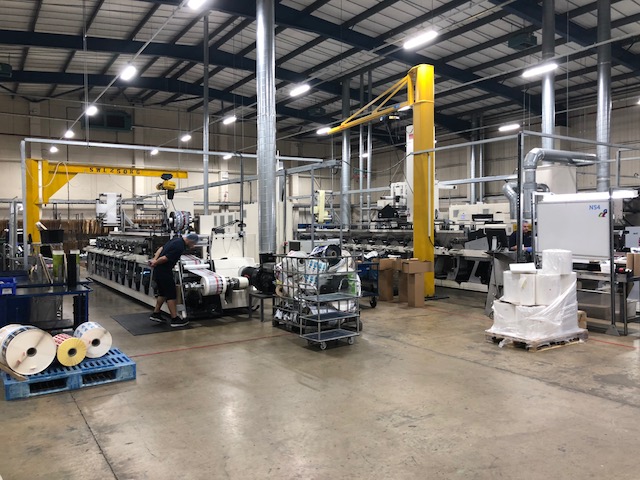
In an ever-evolving label scenario, the need to produce more efficiently, reduce wastage, shorten downtime, reduce interest and financial stress due to big inventories, reducing manpower and achieving more revenue per asset are necessities that will add to financial health of companies. To achieve the here mentioned imperatives, many companies are increasing the use of digital technologies, automation and artificial intelligence. This not only helps them to be system driven rather than being human driven but also empowers them to add to their bottom lines with peace of mind. Chris Ellison the 20th President of leading global label association FINAT has transformed his company OPM Group, Leeds UK, to be a lean manufacturing one with increasing use of automation and digital MIS system to put in place a workflow that performs efficiently and delivering the desired results. This leaves the management in a comfortable managing environment, their customers happy and results in better relations with all stakeholders including suppliers and customers. A walk through the OPM facility is a delight. There is perfect workflow with no bottle necks or stagnation of materials. A very neat and clean unit where every process leads to the next with aid of an IT enabled workflow and automation. The MIS system has been created by involving the internal team, all suppliers, prepress developers, logistic partners and customers as well. Generally, printers do not share information with their vendors, here the vision of the Ellison family has created a system that makes the unit to work with perfect harmony and the appreciation they get helps in better relations with their customers.
 
In most printing companies the sales force is nowhere in sight and the general perception on the shop floor is that sales people have all the fun travelling and partying with customers. Chris’s vision is to inculcate a sense of togetherness and team work in the entire workforce. Each shift when workers enter the factory, in the first room they get to see behind a glass wall, is the sales force working hard at their desks preparing for yet another gruelling day with customers creating a continuous flow of order. This also instils a sense of bonding as Chris feels that all the workforce needs to feel committed and create success with the inspiration, “Together we will”! Each order that is entered into the system goes through a digital workflow that is available on screens throughout the company and every department can see the progress without any hindrance. From costing, quotation, order approval, pre-press, inventory management, delivering raw materials to presses, finishing, packaging, despatch and invoicing goes on in clockwork precision. All staff, vendors, transporters and customers are hooked on to the system for the information that they are required to access and react to. It is an information highway created for smooth travel of all orders from initiation to delivery. 
 
One cannot see any congregation or unnecessary movement of workers in the factory or over loaded warehouse. A company with 20 million pounds turnover has just 73 employees. Chris says, “implementation of these system has helped us achieve a high turnover of 4 million pounds per asset or per Label press” he further adds that trained and efficient people are scarce to find so they must invest in an IT department and in training people, which is expensive, but it is justified for them to be more efficient. Subscribing to principals of Total Quality Management, all products at OPM are produced to ISO 9001:2015, BRC/IoP Global Standard Food Packaging standards Grade AA and PS9000:2016. They are printed using low migration/ Food Grade Inks. Truly, Chris Ellison as industry leader is setting examples for peers to follow.
 
Jack Ellison and his three partners ran a small engineering company building overprinting machines. His 20 years old son Chris wished to have his own business so started importing Dot Matrix printers from Germany and selling in UK. While in school Chris did not really excel in academics but was very inquisitive about how things worked, enjoyed creativity by changing things and wished to do something different and innovative. After finishing school education, he went on to a technical college to study engineering. He had two brothers and a sister. Both his brothers died due to cancer, one passed away at the age of 34 when Chris was just 15 years and the second at the age of 40 when Chris was 20 years old.  These losses left a void in him and he vowed never to waste a day in his life.
 
One Christmas a person made him a good offer and Chris sold his Dot Matrix business. Mean while one of the partners in his father’s company died in 1986 and discontent started between the partners creating uncertainty. His mother too was diagnosed with cancer at the age of 64 however she passed away much later at the age of 93, just one day after Chris moved his operations to the present facility. His father Jack Ellison could not take the stress at that time, so Chris first took over his father’s share in the business that his father was in with partners and later, since he had the cash from sale of his own business, he bought over rest of the partners. The company had at that time just installed a small Tackiboy label press. Operating out of 1000 square foot factory, 95% of the business was coming from the label press, machine manufacturing was terminated making them primarily a label manufacturing company. 
 
The company was renamed OPM Labels & Packaging group as Chris wished to produce labels and flexible packaging which till date remains their core business. In 1989 OPM bought their first flexo press Propheteer the very first one to be sold into UK. By 1999 OPM flexibles was in place to produce printed films, filmic laminates and sachets. They had by then acquired 6 Nilpeter label presses. As time went by OPM have upgraded their machines by replacing the old ones with new machines. This was done to achieve better efficiency, low wastages and faster production, the number of presses remain; 6 Nilpeters. A seventh Nilpeter is expected to be installed in the last quarter of 2018. About waste management Chris Ellison says “OPM take their environmental responsibility seriously, we are proud to assure our customers that their label products are being produced with as little impact on the environment as possible”. They have recently been awarded their Zero Labels 2 Landfill Certification.
 
OPM is jointly owned by Chris and his wife Susan Ellison. Susan is active in business, looks after the human resource functions, Manage and organise implementation of MIS and Automation systems, Project Managing, R&D alongside with Chris, offers inputs from a design and repro background, takes initiatives for new developments, marketing-Communications and strategic planning. She came to the business with reprographic experience having worked with various companies in the field. Their daughter Charlotte 28 and son Arnold 26 are also working in OPM making it a totally family owned and managed company. 
 
 
Chris feels it is challenging to keep pace with your business as it evolves. One must rely on people and motivate them to grow with your business, the leadership must have the desire, passion and will to take it further and pass it on to his team. Chris and Susan also are involved in a lot of charity work investing time and money in cancer research and aftercare. His elevation in FINAT as president has helped him to get a broader perspective of international label trade. It has helped his expand his knowledge through the global networking platform that FINAT offers. He tries hard to connect with the large spread out membership base and create value for members.


The above article is exclusively written for Label and Narrow web magazine USA. This may not be reproduced without permission.
Written by Harveer Sahni, Chairman, Weldon Celloplast Ltd. New Delhi India September 2018
 
Fifty years ago, 80% of India lived in villages.
 
People are moving from villages to cities to experience the modern-day city life as they see on TV and internet. 


The scenario has transformed over the years. As a result of ongoing urbanisation, the urban population in India has now grown from 19.4% in 1968 to 33.5% in 2017. The shift has a direct impact on the consumption of household goods, as daily needs in city dwelling are obviously different and more than that in villages. More so due to the impact of a growing rate of literacy level which is the percentage of people aged 15 and above who can read and write having increased to over 72% percent from 40.76% in 1981. People in the working age group 15-64 years has escalated to 66.2%, from a level of 55.4% in the last 50 years. In 2017 the median age of the country, which is half of the people to be younger than this age and other half older, was estimated to be 27.9 years. In a country of 1.32 billion people a growing need for household goods or consumer goods also referred to as FMCG or “fast moving consumer goods” means there is an ever-growing huge demand for labels and packaging that are a part of the consumables they buy.


According to a report in The Economic Times dated May 01, 2018, consumer products market grew
13.5% in the Financial year 2018, with eight of 10 leading companies posting double-digit value growth, FMCG being the 4th largest segment of the economy. Online sales of consumer goods is also seeing an enormous rise as number of online users is poised to cross 850 million by 2025. According to a report by marketing research firm “eMarketerOnline” retail sales in India are expected to grow by 31% this year to touch $32.70 billion, led by e-commerce players Flipkart, Amazon India and Paytm Mall. Retail market is estimated to reach US$ 1.1 trillion by 2020, up from US$ 672 billion in 2016 further expected to boost revenues of FMCG companies to 104 billion US Dollars. The data herein mentioned indicates a definite, constant and escalating demand for labels and packaging.


Indian Label industry has been witnessing challenging time since demonetisation of currency and later due to implementation of GST. While these measures may be beneficial for the industry at large, yet they slowed down the trade impacting margins and revenues. With capacity growth already committed by existing label companies who had already placed orders for new equipment and by those entering the segment in this period, slow down impacted adversely the positive sentiment in label industry. The Label printing and converting equipment was being upgraded globally by machine manufacturers to achieve efficiency in production, reducing wastages, producing to economies of scale and was becoming more expensive. An industry that was used to a quicker ROI (Return on Investment) and better margins found the situation challenging, decided to be cautious and held-back investing decisions. While the economic parameters of growth as mentioned in the earlier part of this article were on the move all the time, a pause or back stepping for two years created a gap that has resulted in now a positive situation whereby new investments to increase capacity are being made. However still, label printers are apprehensive that this sudden indulgence may result in over capacity, promote unhealthy competition resulting in lower margins and make servicing of loans a little difficult. Despite this the positive sentiment in the label industry is evident as those who have excelled are committed to expand and maintain their position.


Change is the only permanent in a growing scenario, also stagnation leads to deterioration so one has to keep improving, innovating and expanding to remain in reckoning in a vibrant colourful industry. The label industry, much to the discomfort of the existing peers of the industry is seeing a lot of investment from the sheetfed offset printers. The sheet offset industry is used to big time investments in equipment and voluminous sales justifying their lower margins with massive turnovers. They were content with ever growing toplines, yet when the bottom lines needed strengthening labels appears to be a solution. While this would not add much to the top line but would surely contribute positively to their bottom lines. In a conspicuous effort to make their balance sheets look more presentable, it seems the offset printing industry is becoming indulgent in labels. It is for this reason we see label exhibition stalwarts Tarsus targeting the offset printers for their upcoming Labelexpo India. This is much to the discomfort of existing label industry constituents as it would add to the intense competition bringing pressure on already depleting margins in terms of percentage.


The label demand in India continues to grow and investments in label printing and converting equipment is on the rise. Though not much authentic data is available, yet the author based on experience and time spent in the industry has attempted to reach a reasonable size of the market. There are about 1000 label manufacturing companies in India. These include very small and big plain label, barcode label and product label manufacturers both in roll and sheet, spread all over India. The number of machines that each of these companies possess varies from just one machine to multiple machines, in many cases the machines installed are in double digits. On a very modest estimation if I assume an average of just two machines per label company, the total comes to 2500 label converting machines. The number of rotary machines announced in media in the recent past as installed in India over the years till now by leading label suppliers like Mark Andy, Gallus, Nilpeter, Omet, Bobst, Edale, MPS, Weigang, Orthotec, etc. coupled with those supplied by local manufacturers like Multitec 200 machines, RK label 150 rotary plus 600 flatbeds, Jandu 135, Alliance, Webtech and others, is well over 1500. Now if we add the used machines, the intermittent and other flatbed/rotary options, the figure is definitely over 2500. Working backwards for converting capabilities with realistic downtime, the per capita consumption of labelstocks is well beyond 1 square meter.


Calculating quantities of label stock manufactured from the number of coaters installed with Labelstock manufacturers we have, according to the author’s personal estimation, Avery Dennison is leading the pack and SMI following, together they account for over 40% of the production in India with almost 48 Crore or 480 million square meters per year. According to Jandu Engineers, who have been the main coater laminator supplier to the unorganised sector, they have till date installed 150 adhesive coating lines in the country. While Jandu asserts that his coaters run at 100 meters per minute but for a realistic estimation their speed with down time has been considered at 50 meters per minute. Added to this is the production coming from numerous Hotmelt coaters installed and together with the stock lots used, the total again justifies the 1 square meter per capita usage. Another evaluation done with base consumption that most in the industry had agreed at 0.25 square meter in the year 2003. Applying a year on year growth rate of just 10%, this year we cross the 1 square meter per capita usage. The estimation is the author’s personal estimation only, many of the industry peers may not agree with the author’s estimation yet it appears that we have come a long way in the last 20 years. The self-adhesive label production and consumption in India all including roll, sheet, stock lots etc. this year seems to have reached a whopping 1.30 billion square meters!!!


Written by Harveer Sahni Chairman Weldon Celloplast Limited New Delhi India September 2018


Pioneering efforts and firm dedication, established Sanjeev Atre of PGI Technologies Pvt. Ltd. as the first Indigenous manufacturer of magnetic cylinders in India. Sanjeev belongs to a typical Marathi Brahmin family from Pune. His father Prabhakar Atre, an accountant working with a CA firm in Pune got transferred to Aurangabad just one year after Sanjeev was born in 1957. Aurangabad eventually became the family’s Karmabhoomi (land where fate locates a person to work and be active in). Even though his family had no experience in running a business enterprise, Atre left his job in 1964 and decided to try his luck in business. Initially he tried his hands at book-binding but soon moved on. Those days, people were using treadle letter presses to print letter heads, bill books, posters, etc. and for printing variable information they would lead typefaces that were typeset or assembled as a block that would finally be used for printing. Prabhakar Atre started a type foundry to produce typefaces. This was the family’s first tryst with the printing industry. Integrating forward, he bought a treadle press to start printing as well.


Sanjeev after completing his schooling, finished college with B.Sc in Physics and took up a job in 1976. Just 2-3 months later he gave up his job to join his father and help him in business because his elder brother Bhalchandra, instead of joining the father’s business had preferred a job in bank. In 1980 Sanjeev wanted to invest in a small offset printing press but his father was worried how the money could be raised. They somehow managed a loan from NSIC (National Small Industries Corporation) and since he was very active in the printer’s association, friends helped him raise the Rupees 10,000.00 margin money. They acquired their first small offset printing press, a single colour Swift of size 15 inches X 20 inches. To start with they got some small odd jobs from Brooke Bond India Ltd. who had a meat exporting unit at Aurangabad. An opportunity came their way when an order for labels came from Brook Bond for 500,000-600,000 labels each month. Nostalgically Sanjeev remembers that he produced the label in 5 passes and got his first regular label business. By 1986 the father son duo, were ready to invest in their second single colour press. Five years hence in 1991 they further upgraded by investing in their first multicolour printing machine, a two colour offset. They followed it up with yet another similar machine two years later. All this business was under their company titled Mudranika, Aurangabad.


The label industry in India started to evolve and grow around the mid nineties. Sensing the future trends, Sanjeev decided expand into self adhesive labels. In 1996 they finally made their entry into production of self adhesive labels in roll form by investing in a pre-owned 7 inch wide 5 colour CI letterpress Kopack machine. Sanjeev worked hard to succeed in this new venture. He was committed to serve his customers with timely deliveries. For a particular job, he needed a different magnetic cylinder. The supplier quoted him a price that was high and Sanjeev was not comfortable with it. On repeated requests for a lower price, the supplier knowing Sanjeev’s dilemma, did not relent. An annoyed Sanjeev decided to make his own magnetic cylinders and started work on the project. In the same year 1996, Sanjeev Atre made his and India’s first indigenously manufactured magnetic cylinder! Proudly Sanjeev reminisces that the Cylinder worked excellently. Kopack on which he installed it, on was sold in 2005 and he proudly says, “It must still be working well on that machine, wherever it is working now”.


In 1994, Sanjeev Atre’s elder brother left his job in a bank and together they setup another sheet offset printing unit in 1998 under name and style of Prabhakar Print Pack Private Limited. They started with a four colour machine and all allied equipment. Sanjeev continued to concentrate in the self adhesive label business. In 2004 a 10 inch Mark Andy 2200 flexo label press was acquired and a year later after selling their Kopack they acquired yet another Mark Andy 2200, 13 inch press. Even though Sanjeev was expanding in labels yet in his heart he still wished to replicate his success in manufacturing magnetic cylinders. In 2005, he again indulged to produce these under his new enterprise Precise Graphics.  In his early days on entering the self adhesive label industry with a Kopack press, Sanjeev got a lot of help and advice from Manish Desai of Mudrika Labels in Mumbai. Mudrika already had three such Kopack presses and mentored Sanjeev to success. When he initiated his new venture he apprised Manish Desai about the magnetic Cylinder produced by him. Manish was excited on hearing this and immediately asked  Sanjeev to produce one for him, even though when offered by Sanjeev to supply on cost, Manish insisted and prevailed upon Sanjeev to add his margin and supply, also assuring to refer him to other fellow printers. So Mudrika labels became the first customer of Precise Graphics for magnetic cylinders. Sanjiv remains indebted to Manish Desai who has been instrumental in his success because of the support provided to him and proudly says, “This was an encouragement of Make in India concept”.


The initial success was followed up with support from another industry stalwart Vijay Jain of A and A Labels Delhi. Thereafter there was no looking back and Precise Graphics started to exhibit their products at domestic and international exhibitions. They now have customers spread all over India, USA, MENA region and other countries. They sell between 750-800 units each year and aspire to keep increasing their footprints in the growing industry. In 2008 they developed and started marketing plate mounters followed it up by offering rotary die cutting machines for blank labels in 2012 and slitting and intermittent die-cutting machines in 2014. 


Encouraged by his success Precise Graphics was in 2014 renamed PGI Technologies Pvt. Ltd. to concentrate in producing engineering and technology driven products for the label industry at large. In 2015 Sanjeev Atre quit the printing business, leaving that to his elder brother. A year on he launched his first flexo rotary 6 colour tower type label printing press, a machine that he displayed at Labelexpo India 2016 was self designed, built in their factory with CNC machined parts and not copied from any other press. This, Sanjeev says, is conforming to the Make in India concept to which he is committed. The machine as displayed at the 2016 Labelexpo India in Greater Noida was running at 60 meters per minute, however this has been further improved and in their factory the press has run at 80 meters per minute with water based inks and hot air drying. Also at the same event they showcased a new development that they were taking up, a turret re-winder with die cutting and rotary slitting for non-stop production of blank labels. The final version of this machine will be displayed at the upcoming Labelexpo India in November 2018.  Even though demonetization and implementation of GST did impact business adversely yet PGI Tech was able to sell eight machines in one year to satisfied customers.  They endeavor, as also continue to upgrade their products on an ongoing basis adding new features and automation to them. They presently operate out of a factory admeasuring 6500 square feet with 26 people. Expansion is in progress and they are in process to acquire a 1.25 acre plot with 18000 square feet built up area, enough for the immediate future plans.


Reminiscing a challenging situation in his early days in printing labels and the innovative streak in him to solve the problem, he narrates a time when a customer rejected a whole lot of 10-12.5 million labels due to over punching because the web was breaking on automatic label dispensing equipment. He took back the entire consignment, laminated the liner with BOPP film and returned to the customer. The shipment was accepted!


This year after renewing business strategies to escalate the fast growing domestic as well as export business of tooling, Sanjeev has consolidated the Tooling division within the manufacturing with the entire operations under one roof including gear tooth profile grinding facility as well. While there is push for increasing the prices in the industry, Sanjeev has publically announced a price reduction in tooling owing to the savings from of this strategic initiative.


Sanjeev has active support from his wife Namita who is a home maker. His elder son Pinak decided not to join his business and moved to Pune taking a job in IT, planning to launch his own venture in partnership with a friend at a later date. His younger son Ajinkya has joined PGI Tech and is still under training in the company while pursuing a course in architecture alongside. With Ajinkya also in business, Sanjeev has more time on his hands and has tempted him to pursue his hobby of photography and presently he is studying different birds and their migratory streams. He travels to bird sanctuaries and patiently indulges in catching in his camera, the unique images of birds in their natural habitats. It helps him relax, unwind and return to work rejuvenated to indulge yet again in creativity.


Written by Harveer Sahni Chairman Weldon Celloplast Limited, New Delhi April, 2018


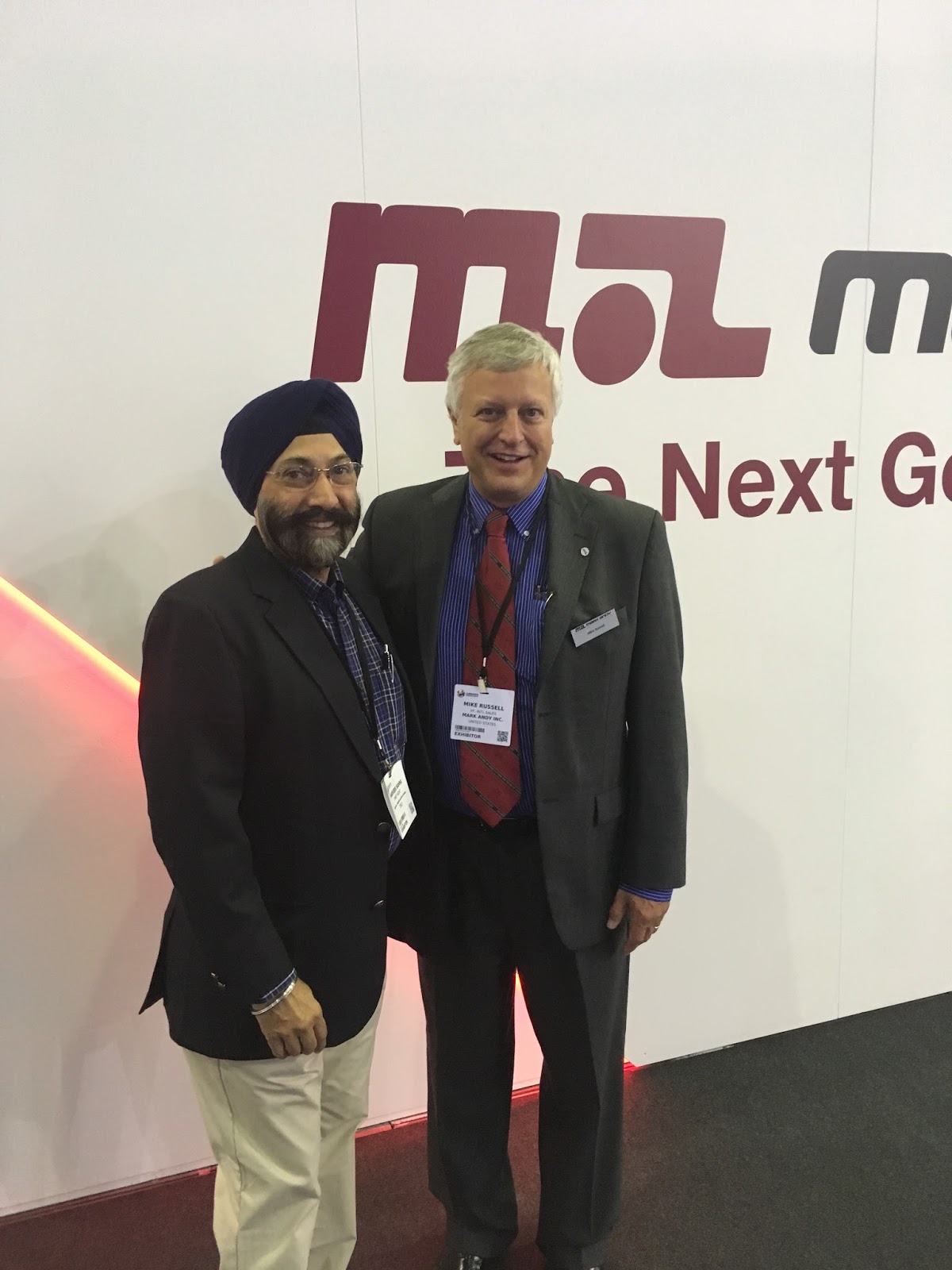
Mark Andy, Vice President of International Sales, Mike Russell was born in St. Louis where he grew up and went to school in the suburb of Kirkwood, Missouri. After completing his undergraduate studies from WestminsterCollege, Fulton, Missouri in 1974, a college where Winston Churchill delivered his Iron Curtain Speech in 1946, Mike encountered a problem of acute unemployment. America and the western world were at that time facing recession. As per Wikipedia; 1970s recession was a period of economic stagnation in much of the Western world. It differed from many previous recessions by being a stagflation, where high unemployment and high inflation existed simultaneously. Unable to find a regular office job Mike took up his first job doing manual labor of laying rail tracks for Norfolk and Western Railway. Son of a Self employed lawyer, who also sold life insurance, and mother being a home maker, he aspired to succeed in life despite the challenges this earlier part of life threw at him. Six months after his first manual job stint, he joined a small company which supplied air pollution filters to Monsanto Enviro-Chem Systems as their lowest paid employee. At this company he did all kinds of jobs that included managing receipt of materials to quality control. 3 years later in 1978 Mike Russell left this job and joined ALCO Controls division of Emerson Electric, to look after production and inventory control. Those days of recession it was the job that was important and not what duties came with it. While at this job he worked during the day and later attended night school for four years finally receiving an MBA degree. Fortunately the company paid for this study. Another 7 years later it was time to move on and he started to apply in various companies, on basis of a good CV and armed with an MBA degree he got selected for a job to look after planning and production in the module assembly department of Mark Andy Inc. He had on 4th of November 1985 finally reached the company where has spent the next 33 years of his illustrious career.
Mark Andrews Sr.


In 1946 Mark Andrews Sr. started to print scotch tapes and also built a tape printing press in his basement machine shop. Mark Andy named after its founder Mark Andrews was started as a small family venture. With Mark’s hard work and foresight, the company went on to invent, develop and build rotary label presses that were called Aniline presses prior to be named Flexographic and becoming the leading name in flexo printing and converting presses. So as to grow the market Mark Andrews Sr. with help of one of his machinist, Richard Roseman developed rotary dies to run on presses manufactured by him. He later encouraged Richard to start his own company to produce rotary dies which he did and Roto Die Company Inc. was founded in 1957. Roto Die Company subsequent to its merger with Micrometrics Inc. was renamed Rotometrics.


Mark Andrews Jr.


Mark Andrews Sr. passed away in 1980 leaving Mark Andy Inc. to his son Mark Andrews Jr. who had been at the helm since the late 1960s. While the father was an innovator, the son was a businessman. Having no secession plan for his family, and realizing the company needed to invest more that he was willing toward the future, Mark Andrews Jr. sold his stake in Mark Andy Inc. to Dover Corporation in 1995. In 2006 the company was acquired by Morganthaler Partners, an Investment group and then in 2008 Mark Andy Inc. was acquired by American Industrial Partners (AIP) and MAI Holdings. In the summer of 2014 former Mark Andy CEO P.J. Desai and the Desai Family, along with the Mark Andy Management Team and two co-investors, completed the acquisition of Mark Andy, Inc. from American Industrial Partners (AIP).


Mike with the plane that he co-owned with his friends
After Mike Russell had spent two years in Mark Andy, Dale Bunell Vice President Sales brought him into the sales Department. Dale who is the recipient of the first ever R Stanton Avery Lifetime Achievement Awards in 2004, had a liking for Mike. Dale found out that like himself, Mike was a Private Pilot, a hobby which they both enjoyed. Mike reminisces, he loved everything with a motor, may that be trains, planes, automobiles or motorcycles. Mike along with six other partners, owned a single engine Cessna 172 four place airplane.
 
The plane flying over Missouri Countryside where Mike lives
 
 
Gourav Roy, Mark Andy’s Indian agent ecstatically remembers the time in 2000 when Mike flew him in that plane to Cincinnati to visit the Comco factory, which Mark Andy had acquired in 2001, for a plant visit and sales training on the Comco line of presses.  


Mike Russell and Harveer Sahni during
Labelexpo Europe in Brussels


Though posted in sales department yet Mike did not have to travel much as he was looking after sales administration making contracts and quotations. In 1995 when Mike became International Sales Manager looking after sales in Latin America, Africa, Middle East and Asia Pacific that he started to travel around the world. Before this Mike’s only interaction with customers was when they would come to the company for trials. His first international sales trip was made to Australia where he could register the first sale under his leadership, an MA 4150 Label press, followed by visits to Malaysia, India and China.


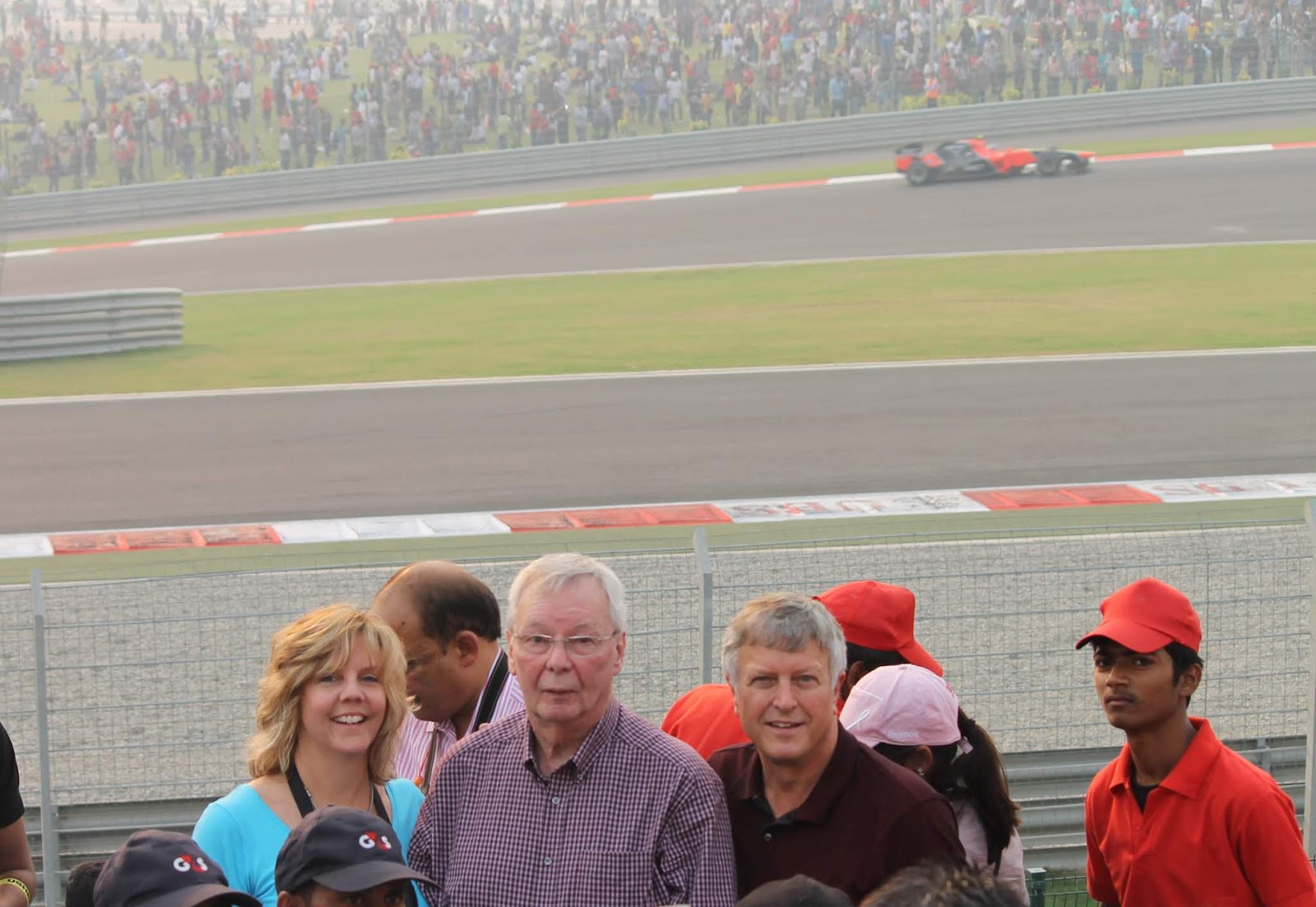
Mary Sullivan and Mike Russell of MA with Mike Fairley
visiting Formula1 in greater NOIDA during Labelexpo India

Mark Andy was earlier represented by EAC Graphics, the graphic arts business division of Denmark's East Asiatic Co. Ltd. which was subsequently acquired by Heidelberg. With Heidelberg buying 33% of Gallus in 1999, Mark Andy parted ways with EAC as business interests clashed. Mike Russell’s second international sales visit to Malaysia was due to Claus Larsen who had joined Mark Andy because of him and earlier worked for EAC Graphics in India. This also led to Mike’s next visit to India in 1996 when EAC was still their selling arm there. Here he came into contact with Indian label industry veterans Sudhir Samant, Gourav Roy and Vijay Pareek, all three were employed with EAC Graphics India Pvt. Ltd. to sell Mark Andy presses. Now Mark Andy is represented by Flexo Image Graphics led by Gourav Roy. Talking about his first visit to India “This was perhaps the most challenging time” says Mike. Flexo was not developed in Asia, letterpress was the dominant printing process employed in label printing in this region. Mike soon realized that India followed by China were more likely to accept the flexographic printing technology. This made him indulge extensively and succeed in selling the presses making the brand Mark Andy popular in India. Following the initial ground work, there was no looking back and Mike would travel extensively at least once or twice each month to different parts of the world finding success in promoting sales of Mark Andy products. He asserts that in last 5 years the biggest growth has come from the re-established Europe. It accounts for the highest number of presses sold in any region even including the United States. However, the US market still brings in the most revenue due to a higher percentage of complicated configurations, along with the parts, consumable and service revenues inherent to the US market. During his career, Mike has never been part of the North American Sales team.
In an evolving market scenario and intense competitive situation, to remain in sound health Mark Andy has invested in new printing converting and decorating technologies. The major addition was the establishment a little more than 5 years ago their Digital Division making their own Mark Andy HD inkjet hybrid press in San Diego, California. They have also added finishing and other offline process equipment to their product program. In 2008 they acquired Rotoflex International (established in 1973), substantially expanding their brand portfolio to include the inspection and rewind solutions. Subsequently to retain a continuous sales and cash flow they decided to set up a consumables division to expand outside the conventional press selling business as well. In 2012 they acquired Print Products Inc., a distributor of flexographic supplies and in the following year in 2013 they acquired the offset supplies portion of Presstek, Inc., establishing distribution of a variety of prepress, pressroom supplies, consumables, and chemistries which includes the renowned A.B. Dick brand. They intend to be the total solutions supplier to the global label industry.


The Russell Family
Mike Russell is blessed with two daughters. The elder Ashley is an economist in the oil industry and located in Houston. The younger Lauren is married and works as a nanny or a care taker. Michele, his wife worked in the insurance industry until Ashley was born and later preferred to remain a homemaker. The Russells live in Chesterfield, Missouri, USA, which is very close to the Mark Andy facility. Due to problems with his back he underwent an operation last November, because of which his travelling is reduced now. Mike is starting to think about retirement, as he now wishes to spend more time with wife and children and elderly parents. Since he has never been in charge of the USA market, he has travelled the world but has not had a chance to see as much of the United States as he would like to. Once he retires and has more time on his hands, he and his wife Michele wish to explore their homeland in leisure with an occasional international trip.


Written by Harveer Sahni Chairman Weldon Celloplast Limited, New Delhi India June 2018


Printing Magazines are permitted to reproduce this article giving credit to author.
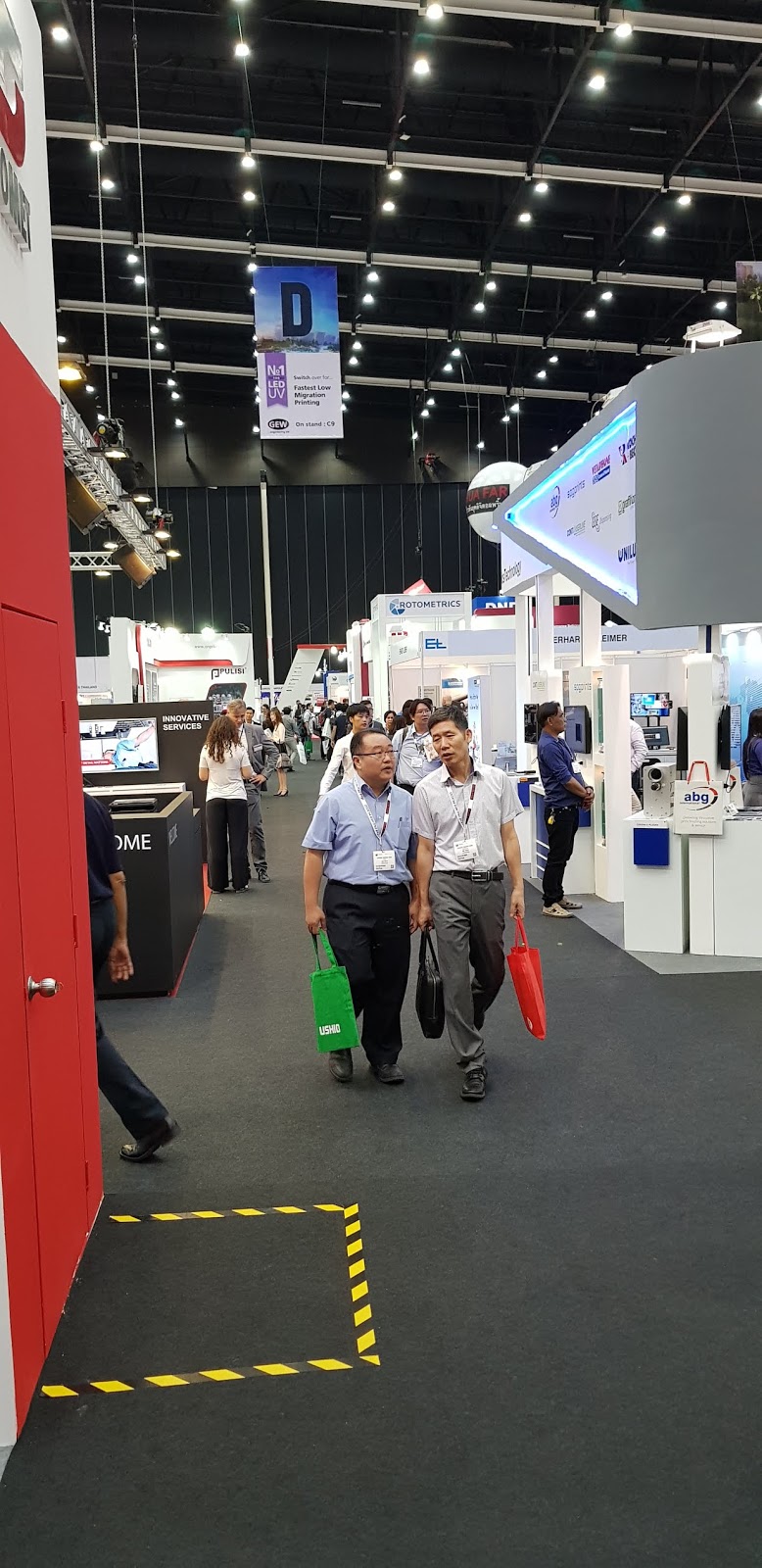
When the Labelexpo Southeast Asia at Bangkok Thailand was announced by the Tarsus Group, there was mixed reaction all around the industry. Yet another Labelexpo! It meant more investment in shows by exhibitors and dilemma in minds of visitors as to which edition of Labelexpo was the most appropriate for them. Undoubtedly Labelexpo Europe remains the flagship show that attracts international label fraternity across the globe to Brussels every two years. As many industry constituents have said, “It is the Mecca of Label industry and the biennial visit to Brussels is an imperative, so as to remain updated”.  Other than that there is Labelexpo at America, China and India. One can understand the regional organizing of this industry event as it brings important exhibitors to the region for at least for those printers who cannot travel to faraway destinations or for those who aspire to invest in manufacture of labels. The regional shows do bring in new enquiries that otherwise are extremely difficult to locate due to an extremely widespread industrial base. The show also contributes to the regional growth of labels in various geographical zones where it is held. However still given the relatively smaller size of label industry in Thailand as compared to Europe, America, China or India, Bangkok as a venue for Labelexpo was surprising. One would imagine that the show would have more of those visitors who wished to enjoy this holiday destination. A two in one motive would bring in the visitors driving in value for exhibitors and organizers. Surprisingly the show registered success.
 
Labelexpo SEA was held on May 10-12 2018 in one of the halls spread over 4100 square Meters at BITEC-Bangkok which is a world-class venue with a total event space of 70,000 Sq. Meters. having large food courts and impressive infrastructure. The vast, column-free event venue has been custom-designed for ease-of-use and can accommodate up to 40,000 delegates within fully flexible spaces that include 10 expansive exhibition halls, 6 grand convention halls and 28 breakout meeting rooms. The turnout of visitors at Labelexpo SEA was impressive as visitors came from the entire spread of Asia Pacific region. 7934 visitors came to visit the show from 62 countries! One could see visitors from Thailand, Japan, Philippines, South Korea, India, Bangladesh, Vietnam, Singapore, Indonesia, Malaysia, etc. It was a show that was not restricted to just one country. Most of the regular exhibitors of Labelexpo registered their presence at the show lending to it the importance, indicating their efforts to expand the label markets to different geographical zones that have potential of growth. As the established western markets show signs of saturation Labelexpo moves to centers in the midst of countries that have double digit growth despite substantial population.
 
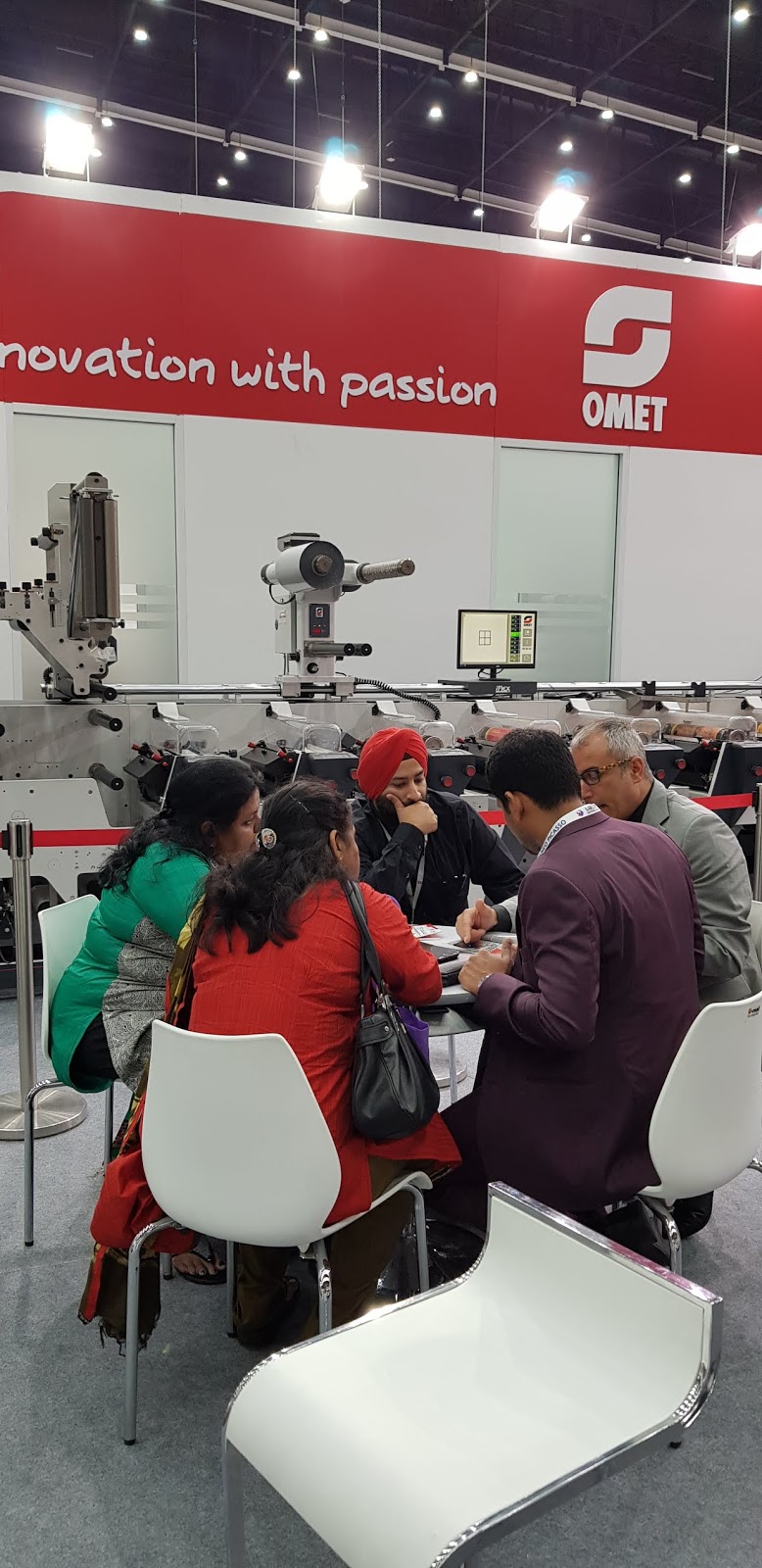
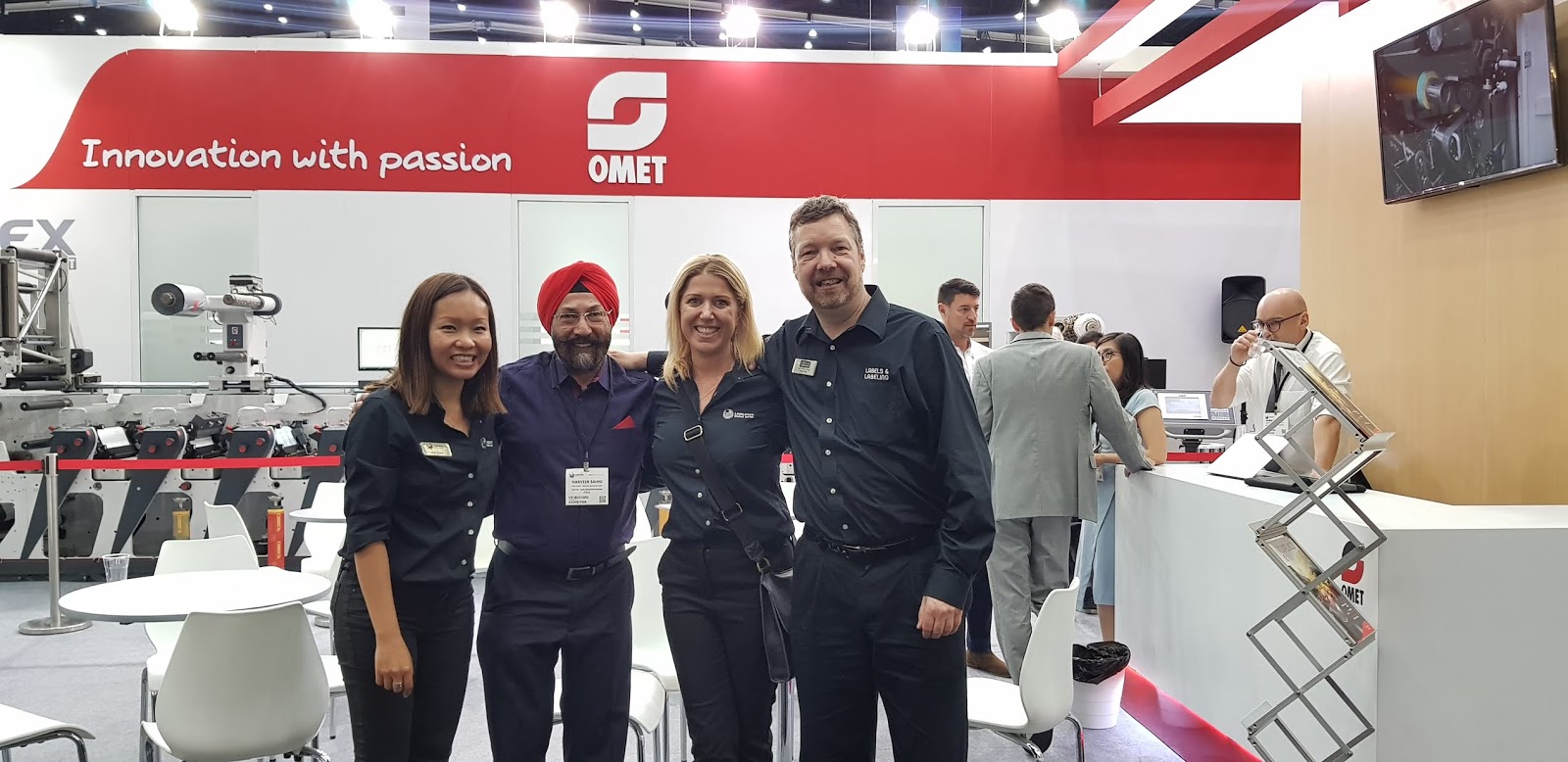
Omet Stand
Nilpeter Stand


Leading press manufacturers exhibiting at Labelexpo SEA included Nilpeter, OMET, Mark Andy, Bobst, Lombardy and Weigang. Other leading industry suppliers who exhibited include Epson, Flint Group, GEW, HP, Konica Minolta, Lintec, UPM Raflatac, Xeikon and Yupo Corporation.


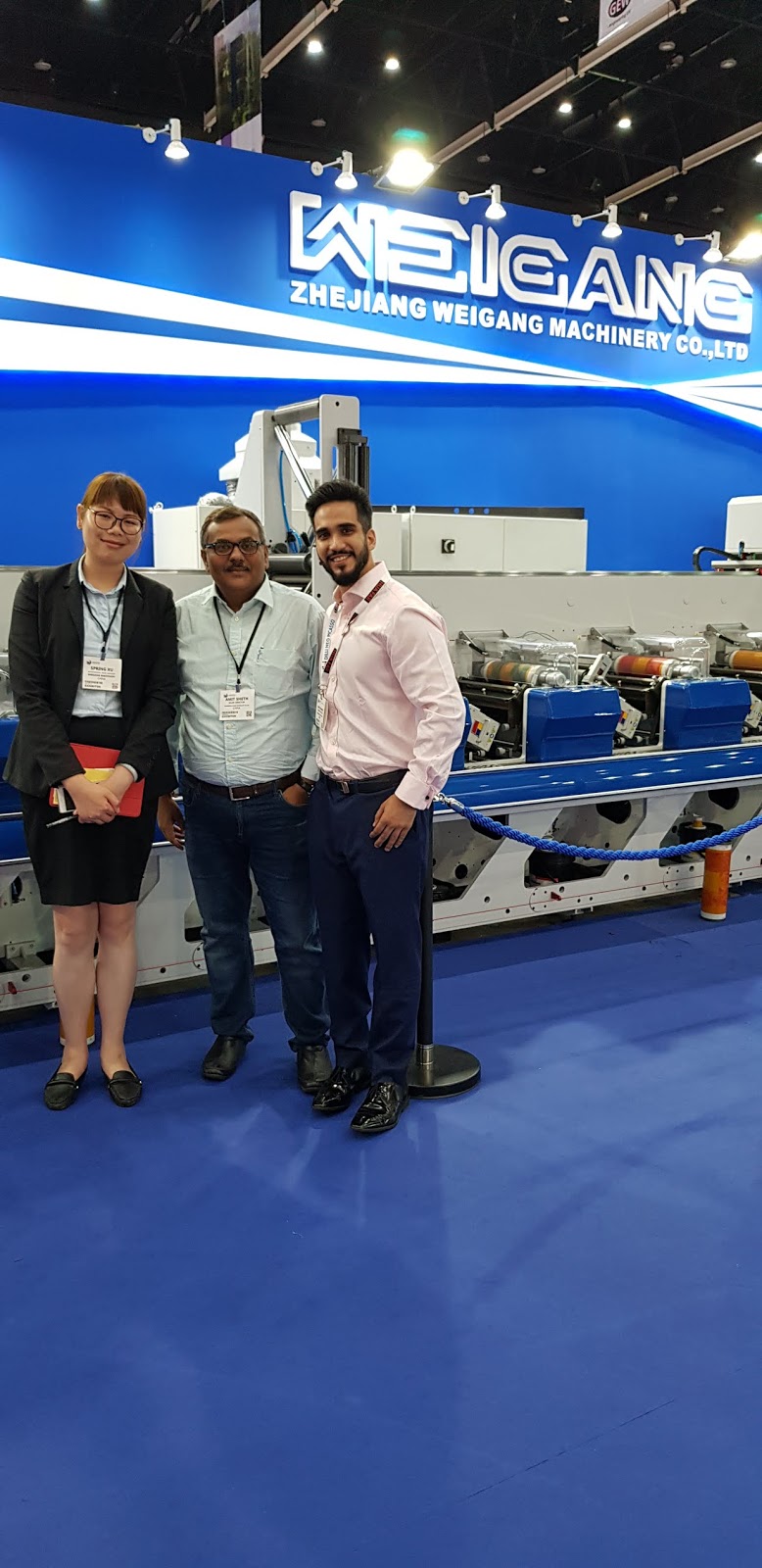
Weigang stand with Amit Sheth and Rohit Mehta


Mark Andy and other stands


With Sanjeev Sondhi, Zircon.


A large number of Indian visitors were seen, leading printers who were present from India included Sanjeev Sondhi of Zircon, Anuj Bhargava from Kumar Labels, Deepak Gupta of Shree Lamipack, D Sarkar of Classic Image Offset, Vipul Gulati from Alpine and Anbhazagan R from Retail Solutions and Technologies. Indian Labelstock manufacturer Stic-On papers was an exhibitor while suppliers who visited the event included Rohit Mehta of SMI Coated Papers the largest Indian labelstock manufacturer and press manufacturer Amit Ahuja from Multitec. When asked about their experience at the show, most people expressed satisfaction and felt that given the fact it was the first show in this sector, it delivered well.  Commenting on the success of the show
With Jade Grace, Lisa Milburn and Andy Thomas


Lisa Milburn Managing Director Labelexpo Group said, “We are extremely happy with the event and have excellent feedback”
 
 
Some comments and images:
Jakob Landsberg Sales Director Nilpeter


Jakob Landsberg, Sales and Marketing Director Nilpeter: I felt the first Labelexpo show in SEA was a good beginning – despite some few challenges in the setup and tear down phases. We experienced a good volume of quality visitors from all over Asia – and even a few Africa, Middle East and South America. We closed deals, took leads and found new projects that have to be handled in busy months to come. 


Paolo Grasso hosting the OMET dinner
Paolo Grasso, Head of Sales – Labels Business Unit press OMET – S.R.L.: Labelexpo Southeast Asia went beyond any possible good expectation we had. A great amount of visitors from all over Asia and some other parts of the globe as well. Nice and clean venue where all the exhibitors could build top-quality booths was comparable to the best of European standards. Good demos, lovely people and especially lots of prospects to work on for the next two years. Congratulations to Tarsus and to the Thai staff of each company because they all did a great job! We’re looking forward already for the 2020 one!

Mike Russel Vice President International Sales Mark Andy: I was very impressed by the turnout of so many influential customers from all over Asia-Pacific. This is the type of visitors that we need to make it a truly regional rather than country specific show. I am hoping that the next show expands on this.
Ranesh Bajaj at Visak Stand


Ranesh Bajaj, Vinsak: The country and the venue are good as expected. Surprisingly, there were more Indian visitors than those from Southeast Asia. Overall, a good show for being a first one. I am sure it will get better footfall with time.


David Ho and Hope Hu at Martin Stand


Hope Hu, Martin Automatic: There were many visitors from Thailand, Indonesia, India and other countries, we saw new prospects as well.


Amit Sheth, Label Planet: Being the first show, it has been very encouraging and productive for long run.
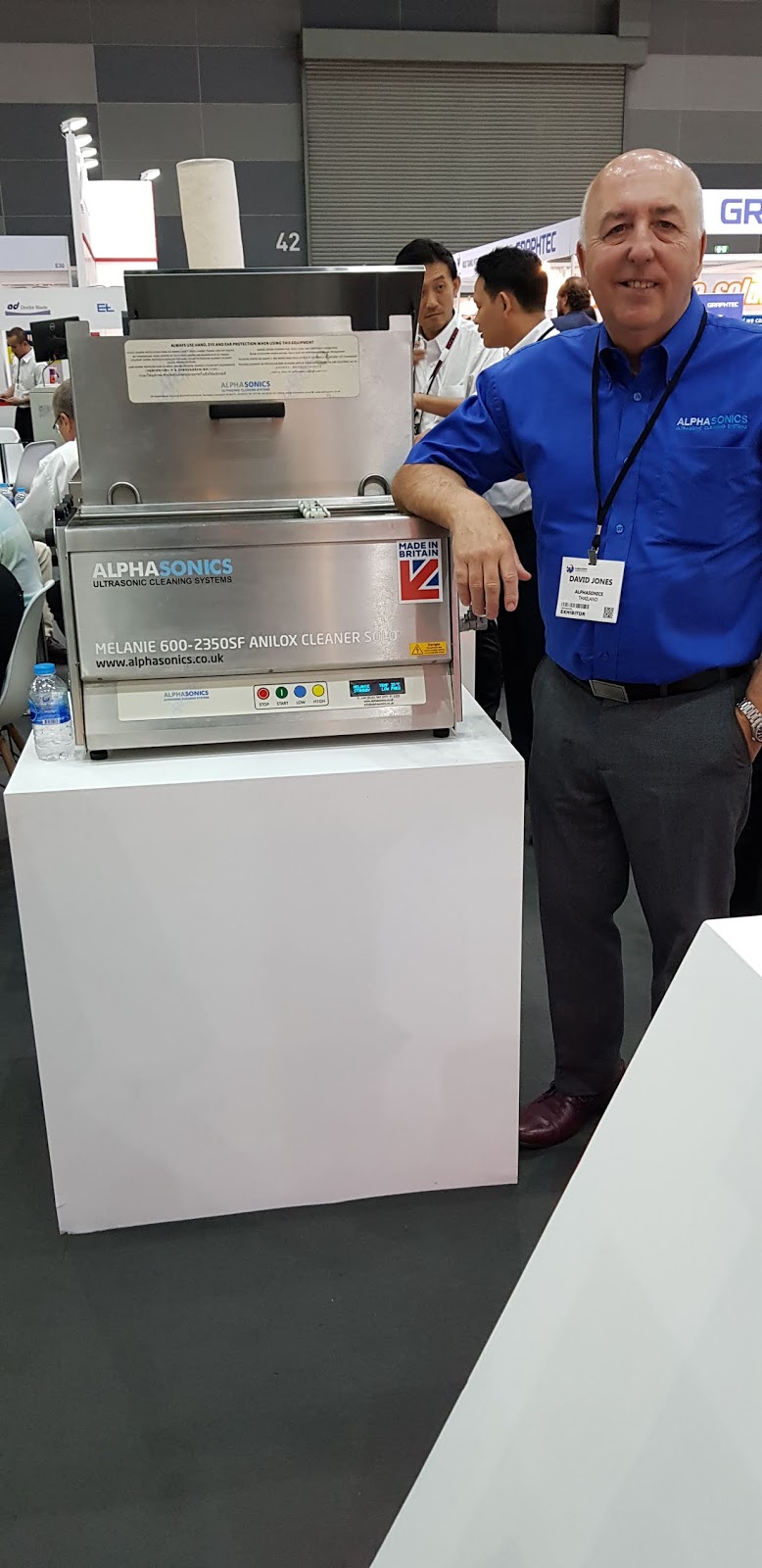
David Jones, Alphason


David Jones, Alphasonics: We were pleasantly surprised at the quality and number of visitors from across the world. The next event should be interesting.


Vipul Gulati, Alpine Containers: Enlightening, informative and futuristic! No new inventions are complete without new discoveries.
Anuj Bhargava, Kumar Labels: Saw new products in addition to the regular ones. Well organized as always.
Rohit Mehta, SMI Coated Products: Labelexpos organised and hosted by Tarsus have always been successful. Labelexpo Southeast Asia is yet another example, visiting the show and seeing the footfall and quality of exhibits shows that Southeast Asia has huge potential of opportunity and growth.
Sanjeev Sondhi, Zircon Technologies: Like all Labelexpos, this one also delivered value; the opportunity to see and network with such a diverse congregation of printers from across Asia Pacific gave the credence and immense value to this event. I look forward to the next edition already.
 
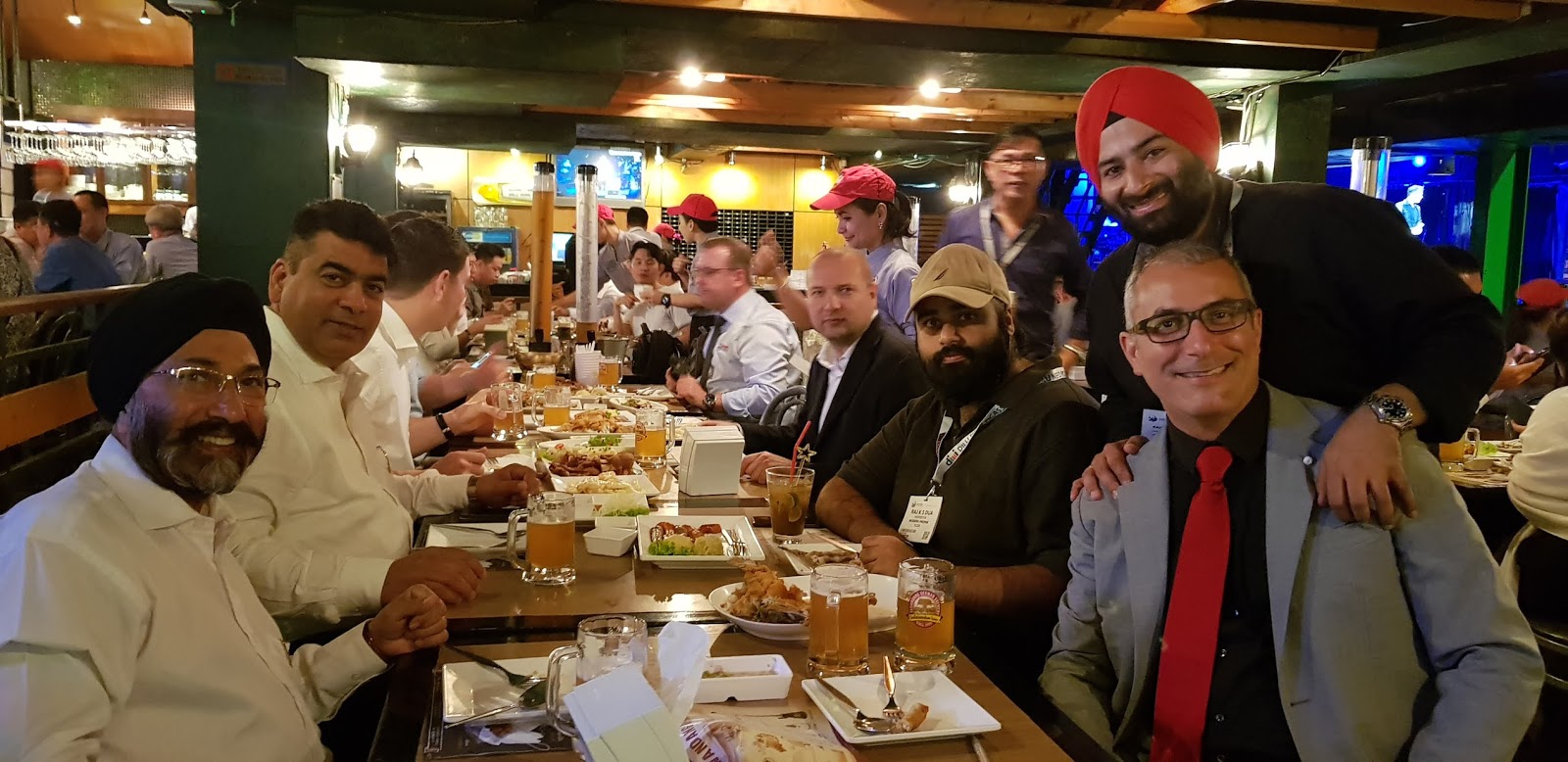
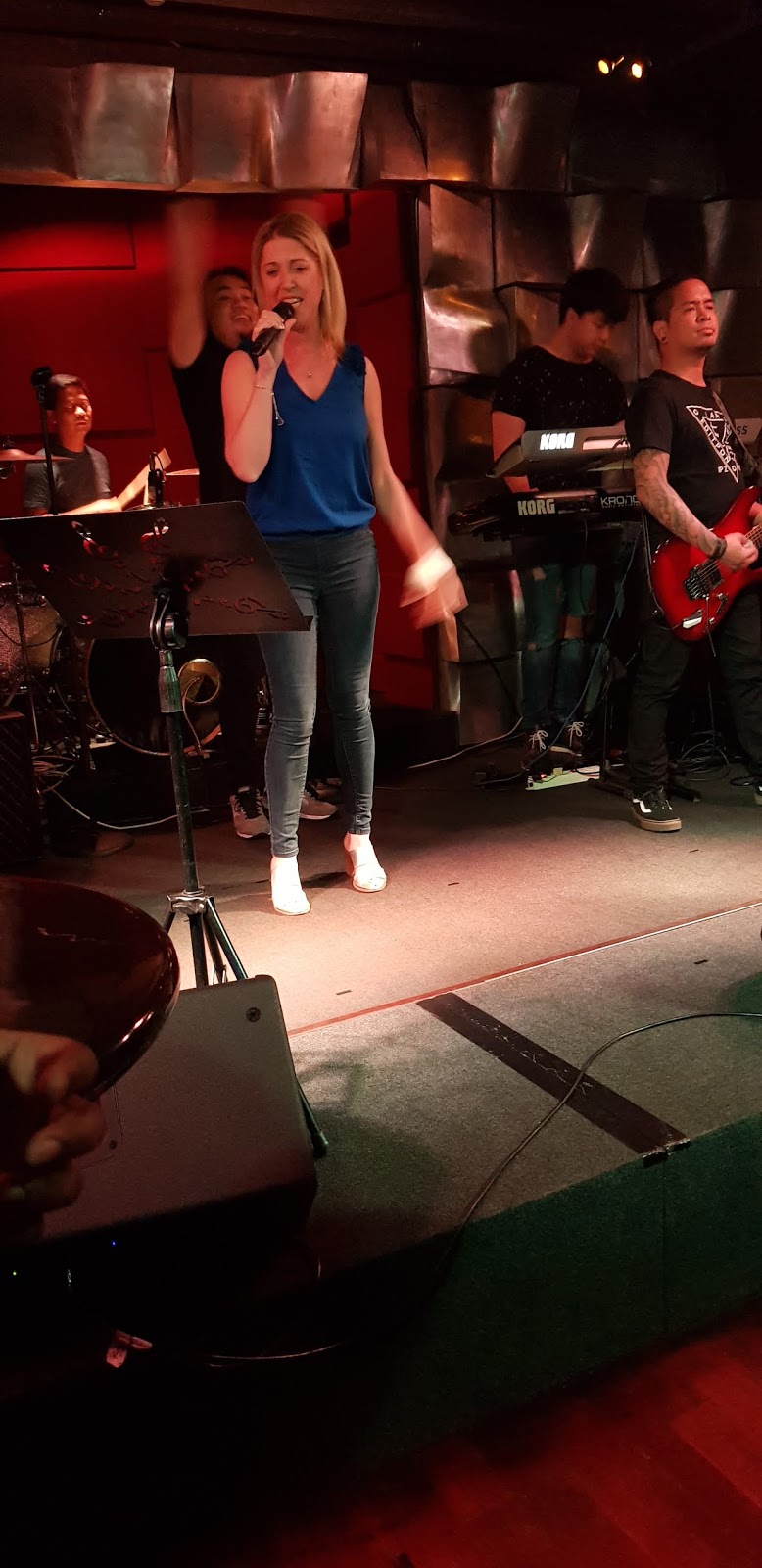
On the penultimate day Tarsus held a party for the exhibitors at Hard Rock Cafe. Lisa Milburn enthralled the guests by going on stage to sing. The audience were left in awe by her talent…
 
Images at the show and of the exhibitor evening.


With Lisa Milburn and Douglas Emslie Grp. MD.Tarsus
Lisa Milburn on stage singing and performing


Written by Harveer Sahni, author and Chairman, Weldon Celloplast Limited New Delhi May 2018
Printing Magazines are permitted to reproduce this article giving credit to author.

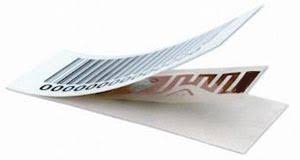
Nine years after a supermarket cashier in Troy, Ohio-USA, on the 26th of June 1974, scanned a barcode for the first time in history on a 67 cent 10 piece pack of Wrigley’s Chewing Gum, Prem Chand Jain popularly known as P C Jain, introduced variable data labels to India in shape of price marking labels. This was in 1983 as a precursor pioneering in barcode labels. Another seven years hence in 1990 he yet again led the country’s indulgence in producing and using barcode labels. This was almost 40 years after Norman Joseph Woodland and Bernhard Silver patented the barcode co-invented by them in the shape of conclavic rings of varying widths in 1951. Twenty years later in around 1971 George Laurer with support from Woodland, his colleague at that time in IBM, created the present day barcode. Barcodes have eventually become an absolute essential in modern day organized retail. The usage of barcodes that was initially limited to mega malls and retail stores have now found extensive usage in small local colony stores, industry, logistics, banking, travel and almost all segments of society. RFID (Radio Frequency Identification), another invention whose history can be traced back to 1940 during World War II, has also found application in variable information labels in recent times. Jain’s company Great Eastern Impex now renamed GreatEastern IDTEDCH Pvt. Ltd. which he heads as Chairman, has truly pioneered the introduction and proliferation of variable data labels in India!
 
P C Jain was born in a family of hosiery traders in the small town of Patti some 45 KMs from Amritsar in Punjab. After initial schooling the family moved to Ludhiana, the industrial town of Punjab. Alumni of star college of Ludhiana, after his college education he took employment in a hosiery unit owned by the Oswal Group, where he worked for 3 years. He gained knowledge and experience of handling exports of yarn and imports of machinery, raw materials and equipment at a time when documentation and procedures were licensed, complicated and cumbersome. Coming from a family of businessmen, in 1966 Jain decided to venture out on his own. He took selling agency of some Ludhiana based hosiery companies and for the next 4-5 years he was selling for them to customers in MENA region countries. Nostalgically he reminisces that he used to carry two bags as baggage, one was always full of samples to demonstrate his offerings and book orders. He would never leave any city until the LC was established by the buyers who placed orders with him. There were times when he would even interact with buyer’s bank to expedite matters. Achieving a sale of 500,000 rupees at that time was a substantial amount with the exchange rate at just Rs.7.50 for one US Dollar! By 1975, he had made some good earnings and indulged further by starting exports of T-Shirts to UK, Germany and USA.  However when exports of these items became difficult due to quota restrictions imposed, he shifted focus. He started to import heat transfer presses and printing solutions to print on T-Shirts. His biggest customer then was the makers of Smash T-Shirts that gave him enough money to buy his own office in central Delhi’s Rajendra Place.
In 1983 he started Great Eastern Impex Co. in partnership with his brother in law. At that time he came in contact with Harjit Singh Kochhar of Giggles gift shop in New Delhi’s Connaught Place. This connection was the starting point of P C Jain’s journey into the world of variable information printing labels. Kochhar, during one of his foreign trips had bought a price marking hand labeler. When he ran out of labels he requested Jain who was experienced in import procedures, to help him import labels. Great Eastern Impex imported a full carton of price marking labels for Giggles from Monarch Marking Systems USA; that was their first indulgence in labels. The US based company Monarch saw an opportunity in Great Eastern Impex Co. and soon their sales person Cliff Cuttele landed in Delhi to meet P C Jain. He demonstrated the usage of labelers and how to open and load labels, Jain found it so interesting that they immediately headed towards Connaught Place to visit shops and asses the interest. Almost all customers wanted these machines. When they landed at Harjit Singh Kochhar’s shop Giggles, Kochhar was excited about the prospects of the business for his friend and took them all for dinner to his home and it was that day the decision was taken for Great Eastern Co. to be Monarch’s exclusive agent in India. In 1985-86, P C Jain and his brother in law decided to part company in business, so Jain in a new partnership with his clearing agent Prem Khanna and Surinder Singh Bakshi, a financer joined hands in their new venture GEIPL (Great Eastern Impex Private Limited) and became exclusive agents of Monarch Marking Systems USA for the next five years. They would import the Monarch Labelers and labels and distribute them. In 1986 A S Shekhawat who came from a publishing company joined GEIPL as a manager to expand their sales network and setting up dealership network across the country.
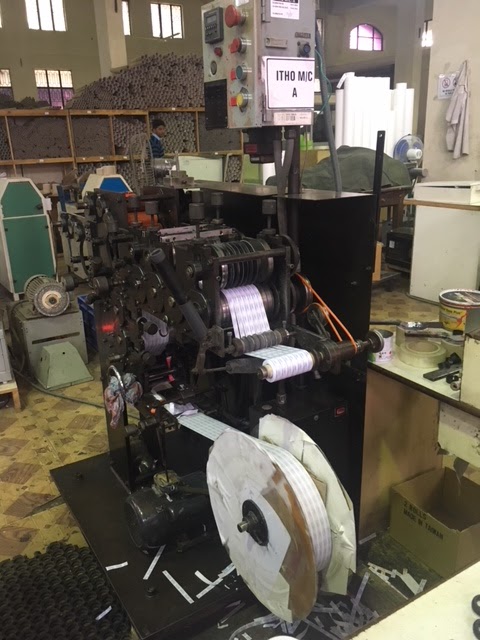
In 1991 GEIPL entered into a technical collaboration with Monarch to manufacture and sell labels in India with a Japanese ITOH label press that was re-engineered by Monarch in USA to their particular specifications to produce 5 different types of labels. This press was supplied by Monarch to GEIPL under a royalty agreement of paying 5% on sales to their foreign partner.  In 1992 Bakshi left the company leaving the reins of the venture in hands of P C Jain and Prem Khanna. In 1996 HSSIDC allotted to them a 2100 square meter plot in Gurgaon on which GEIPl built their double storied 25000 square foot factory building. By 1990 barcode usage had surfaced in India and GEIPL had already made up their mind to indulge. At almost the same time Shobhana Shah Dharia, an alumni of Wayen State University and working as a software engineer in Symbol Systems USA had migrated back to Mumbai India. She launched bar code scanning technology in the country to make complete Barcode solutions available.  With GEIPL being the first entrant in the trade to offer barcode labels and printers and Dharia offering scanning solutions the Barcode, the technology was available in totality. Proliferation of Barcodes started and by 1995 it was fully developed and being widely used.  There were two organizations that were offering barcode symbologies i.e. EAN or European Article Number from Europe and UPC or Universal Product Code from USA. GEIPL opted for adopting the European symbology.
IIP (Indian Institute ofPackaging) was identified by Ministry of Commerce, Government of India, for establishment of EAN India for the introduction of Bar Code Technology for export in India. The then Director of IIP P V Narayanan called a meeting in this regard and it was attended by  P C Jain, Shobhana Dharia and Sameer Parikh of Intellicon. It was decided to first form EAN India with license from EAN Europe and supported by IIP and Ministry of Commerce. In 1990, the country code 890 was allotted to India followed by the manufacturer’s code. The typical configuration of a barcode is; the first 3 digits is the country code followed by manufacturer’s code issued by EAN India and then the product code. The barcode becomes complete when the last check digit is added. Eventually to bring global uniformity in language controlling barcodes business, in 2005 EAN and UPC merged to create one body called GS1(Global Standard1) worldwide. In India the business is controlled by GS1 India covering all Indian manufacturers from segments like retail, Pharma, automotive, fmcg, cosmetic, liquor, etc. By the start of new millennium GEIPL had added another unit called Rachna Overseas Pvt. Ltd (ROPL) in its fold. ROPL was formed with wives of P C Jain and Prem Khanna as partners to produce thermal transfer ribbons for barcode printers and to be supplied to GEIPL. 16 years after being together as partners in 2002, Jain and Khanna, over a luncheon meeting decided to split amicably. ROPL was taken over by Prem Khanna while GEIPL remained with P C Jain.
 
P C Jain’s wife Usha is a home maker, their only daughter Ekta was born while they lived in Ludhiana. Ekta is now married and her husband is in business manufacturing injection molded cones for textile mills with factories in Ludhiana and Bhopal. Their son Shakti was born in Delhi in 1977 who, after schooling in St. Marks School Delhi, graduated in commerce from Venkateswara College New Delhi and followed it with an MBA in finance, sales and marketing from Rochester School of Technology in 2001. Shakti now manages the company as Managing Director while his father is the Chairman. Proudly P C Jain says, “Under Shakti Jain’s leadership the company’s sales that had initially dipped after division of assets amongst erstwhile partners, has doubled”! Carrying his father’s vision of moving ahead of time, Shakti foresaw that RFID labels will be the future. In 2012 Shakti and his wife Neha, who is now the Executive Director in the company, visited Spain to be trained in RFID technology and to see the RFID inlay insertion machine. In yet another pioneering step they bought this machine and became the first Indian label company to offer RFID Self adhesive labels. At this time they even changed the name of their company to Great Eastern IDTech Pvt. Ltd. so as to project its modern approach and indicate their digital offerings.  Great Eastern has had steady and smooth operations however the only challenge came when they took up a complete barcode and RFID project for Government’s warehouse management systems. They had estimated to complete the project in 3 months and it kept on getting delayed due to technical issues. Persistent efforts helped them achieve success in implementing the systems in one year. Their biggest order came when they supplied, installed and commissioned 2500 barcode printers to HDFC Bank in all their branches, some in distant places.
 
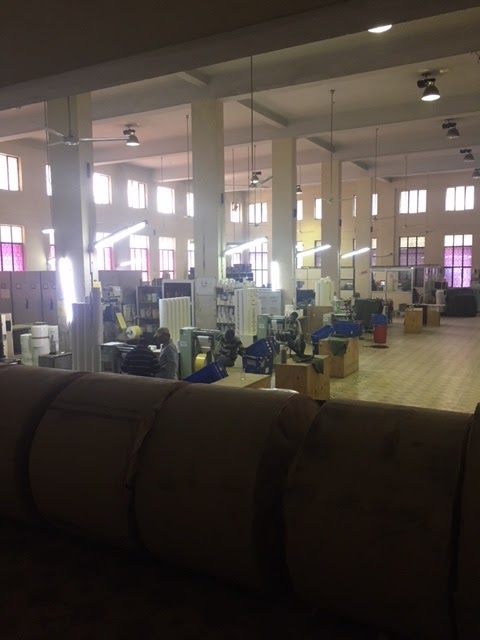
Great Eastern IDTech Pvt. Ltd. now has their manufacturing facility spread over 25000 square feet with 135 employees. They have five offices besides their head office in Gurgaon. These are at Bangalore, Chennai, Pune, Mumbai and Kolkata. Sales that fell to Rupees 10.00 Crores after the split between partners in 2002, but after achieving a steady growth over the following years, it is expected to reach Rupees 32.00 Crores by 31st March 2018. Two third of their business comes from consumables and one third from hardware and software. Barcode technology accounts for 85% of sales, RFID 5% and price marking is 10%. They sell 200,000 square meters per month of thermal transfer ribbon, convert 150,000 square meters per month of labelstock and sell 1 million RFID labels per year. Visualising future the father son duo expresses that by the year 2020, they will reach a turnover of Rupees 50 Crores just by organic growth.


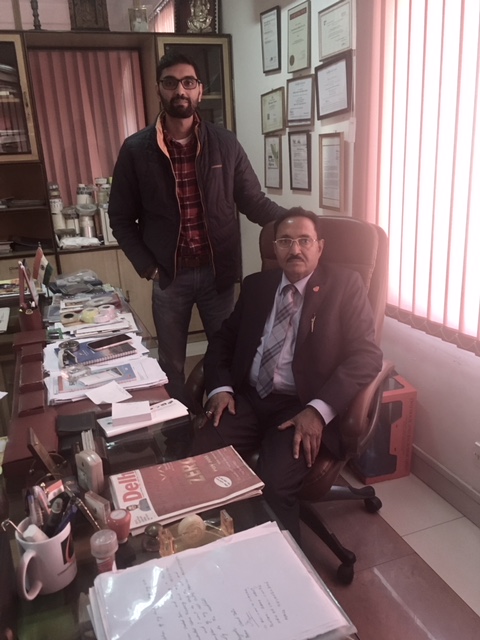
In progressing years P C Jain has tried to give back to the industry and society that gave him success and recognition. Other than spending his quality time with his best friend, his grandson Samar Jain, he is involved with many charitable institutions. He initiated the formation of AIDC (Automatic Identification and Data Capture) Associationof India and was its founder president for the first two terms of 3 years each. The association was started with just 30 members and has now grown to 150 members with pan national presence. In 2012 the AIDC Association at its annual conference in Kovallam resort Kerala, conferred upon P C Jain the “Lifetime Achievement Award”!
 

Written by Harveer Sahni, Chairman Weldon Celloplast Limited, New Delhi February 2018

First published in Printweek India.
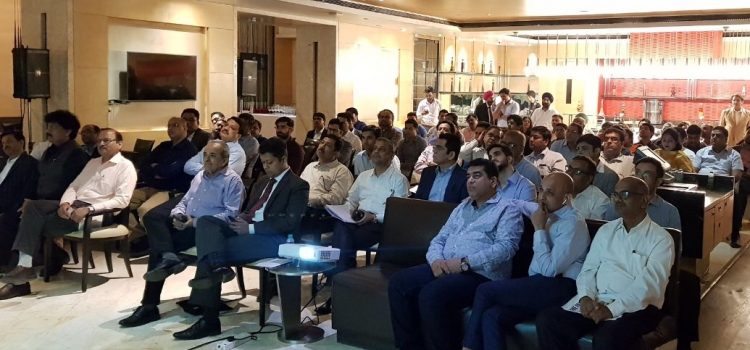
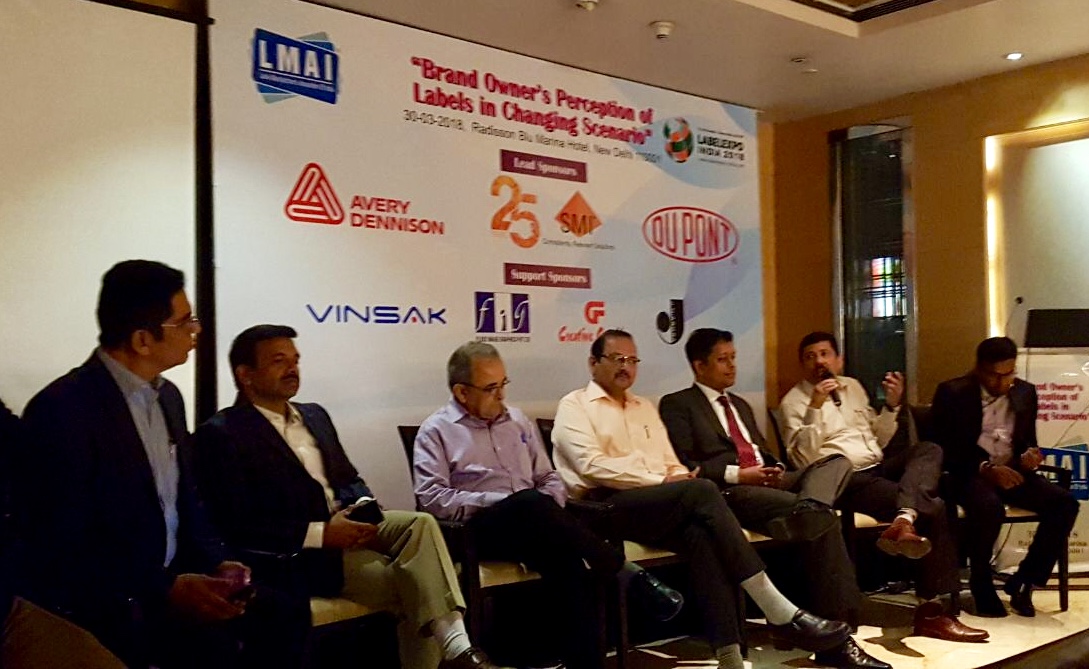
Label manufacturers association of India (LMAI) organized an event for their Printer Members in the evening of 30th March 2018 titled:  “Brand owner’s perception of labels in changing scenario” at RADISSON BLU MARINA HOTEL CONNAUGHT PLACE New Delhi. The program had lead sponsors as AveryDennisonSMI Coated Products and DuPont. Support sponsors were VinsakFIGCreative Graphics and J N Arora Group.
 
Speakers at the event included:
Barun Banerjee: Head of Packaging Nestlé South Asia region, Nestlé India Ltd.
Rahul Bhargava: Vice President, Packaging, SUN Pharma

KOUSIK SAHA: ASSOCIATE DIRECTOR – HEAD PACKAGING COMMERCIALIZATION, PEPSICO

Amiya Pradhan AM- Corporate Packaging Dev., Dabur IndiaLtd. (FMCG division).
Deepak Manchanda: Packaging Expert
 
Sandeep Zaveri


The event having been restricted only to printer members and sponsors comprised of label printers and sponsors to the event yet it was fully booked and over 100 delegates attended. Past president LMAI, Sandeep Zaveri of Total Prints Mumbai who anchored the evening, opened the event by welcoming the guests and introducing the speakers to the audience. 


Kuldip Goel
 
 
LMAI President Kuldip Goel, Managing Director of Any Graphics NOIDA speaking next apprised the audience of his programs. He dwelled on his efforts and successful implementation of tree plantation in NCR Delhi; this would in time be undertaken at various places across the country. He informed that this brand owner program would also be conducted in different zones of the country. He also announced the launch of a web Portal “Advantage” that would help label printer members of LMAI to offer their surplus left over raw materials and excess equipment to other members. Lastly he announced that LMAI will be hosting the LMAI awards on the sidelines of Labelexpo in November this year and will also be hosting the L9 Meet at that time. L9 is the global confederation of nine leading label associations in the world.
 
 
Barun Banerjee
 
 
Speaking first and setting the tone for the evening Barun Banerjee from Nestle, speaking from food perspective, expressed the imperative need for change and asserted that change is the only constant in an every evolving packaging scenario. He said that there are now three megatrends: 1. Visual & Tactile Changes 2.Green Initiatives and New Technology. 3. Digital Print and Personalization. He also spoke about the different decoration technologies that the brand owners are looking at to enhance the shelf appeal, sustainability and reducing the adverse impact on environment as also the need of combining digital capabilities in label production so as to enable variable data and personalization.


Rahul Bhargava from Sun Pharma gave information about requirements in respect to pharmaceutical packaging. He explained the need to adhere to statutory requirement and compliance through information on labels and packaging. Stressing that it is expected of all pharmaceutical and health care products to be labeled correctly for consumer safety, the responsibility is clearly with Brand Owner. Besides the aesthetics the label should have space for Product Name, Active/ Inactive ingredients, Strength, Directions for use, Warnings, Purpose & use of drug product, Drug facts etc. He also mentioned the need to ensure that the migration of solvents or plasticizers from inks on labels or adhesives into the plastic containers does not take place as it would impact the performance of the products. Lastly he informed about the font sizes that need to be adhered to while providing information on labels.
 
Kousik Saha
Kousik Saha of PepsiCo focused his presentation to beverage labeling and mentioned the four imperatives i.e.
 
  •         FMOT (First Moment of Truth) which was about brand positioning, Label Printing and Decoration. He spoke of the decoration technologies needed to catch the consumer’s eye.
  • Brand visibility/product positioning/consumer engagement/marketing campaign’;  Here he mentioned the impact of personalisation by adding variable and personalised images on labels.
  • Regulations/Legal/ Claims.;  He spoke on amendment of PCR 2011 which deals with Font sizes of Net quantity, Best before, MRP, Consumer helpline to be 1.0mm and above as per principle display panel area. Guidelines of legal metrology
  • Barcode/MRP, Date of Mfg / Expiry/Net content etc.;
He summed up by talking about performance parameters that were needed like GSM variation – Label orientation on gripper drum, release from vacuum drum leading to line stoppage, Elasticity – cut length variation, Eye-mark to eye-mark distance – cut length variation, Core damage – alignment of reel, loading on labeler, Static on label – Unwinding, labeler stoppage, etc.
 
 
Amiya Pradhan from Dabur spoke in reference to the labeling needs of the FMCG segment. He stated that a label projects the identity of a brand or the product, so it needs incorporate Branding Elements (Brand/ Sub Brand), Mnemonics (Major Ingredients), The Prepositions, Aesthetics, Visual/ Sensoria and Legal Metrology and other details. He extensively impressed upon the need to dress up the label so as to appeal to demanding consumers. He asserted that good “Branding & Packaging” can do magic in generating millions even from a freely available Item and that labeling and packaging can involve and engage target customers. He also spoke on the need for quicker response and turnaround times when developing something new.


Deepak Manchanda
 
 
Deepak Manchanda, packaging and design consultant, despite being extremely unwell that evening, made a huge effort to stand up and make a wonderful presentation titled “EMERGING NEEDS OF LABEL DESIGN; Delivering customer delight in an increasingly Regulatory Environment”. Stressing that design is the foundation of a good label or package as it  delivers Brand Communication, Design – Delight- Desire and  dwells on Disruption–Experience and Regulatory needs. The design establishes relationship between packaging and communication with the end user. He gave examples of designs that contributed to success of brands and products.


In the ensuing panel discussion moderated bay Harveer Sahni, all the speakers together with
lead sponsors represented by Pankaj Bhardwaj of Avery, Ajay Mehta of SMI and Prasenjit Das of DuPont, discussed besides other issues, sustainability. Rahul Bhargava mentioned that they were going thinner on grammages to reduce the impact of wastage on the environment, Pankaj Bhardwaj informed that Avery Dennison was pioneering in efforts to make recycling of release liners possible and Ajay Mehta stressed the need for interacting with brand owners to offer products that were sustainable. Barun Banerjee and Kousik Saha informed that the industry brand owner constituents were coming together to recollect plastic materials and recycle in their efforts to aid sustainability. He also appealed to suppliers to offer a single polymer substrate rather than multi substrate ones so that recycling becomes convenient. Harveer Sahni updated the audience about Any Graphics NOIDA and Mudrika Labels Mumbai having been announced the winners at World Label awards and also appealed to label printers to participate in forth coming LMAI awards.


Dinesh Mahajan, Prakash Labels and treasurer LMAI proposed a vote of thanks after Sunil Jindal made a presentation on the new LMAI portal announced by LMAI president.


The author had requested comments from those who attended this event, their responses are reproduced as here under;
 
Rajeev Chhatwal, Kwality Offset Printers; The presentations given by the brand owners were helpful in understanding needs of the Industry, this should help us all in planning our way ahead. Hope to see more such events in near future.
Honey Vazirani, Leap Digiprint Pvt. Ltd.: The event was well organized and well executed. I was also quite impressed with the companies and the delegates that LMAI managed to get as speakers. The last panel discussion should have also had a label printer on the panel because our industry is already stuck between giants (big customers and big suppliers!). Food was good as well! Overall comment: An informative and pleasant networking evening!
Ajay Mehta, SMI Coated Products: It was a very innovative and successful event which is well appreciated by us. This is the need of the hour and we have been suggesting that we to do this kind of programs where there can be an open interaction between brand owners and Label manufacturers. We look forward to many such events in future. 
Gaurav Nema, Pragati Global: I must say the event that happened on Friday was one of its kind and it made us learn about the aspects of packaging from the brand owner's perspective. Sustainable and re cycled packaging is need of the hour globally and this aspect was covered well. I however feel that a dedicated session should be organised for this aspect alone.I suggest that more such events should happen in different cities so that fraternity gets the maximum advantage.
Sandeep Zaveri, Total Prints: Printers should have more time to interact with brand owners, the idea is to improve our industry and stop the price war, reverse auction and many other aspects.
KPS Shetty, Sai Printers: It was an excellent event. We could listen to brand owners about their expectations.
Anuj Bhargav, Kumar Printers: Great initiative. More such interactions would truly help the industry.
Barun Banerjee: Thanks for creating that interactive space for user and label partners forum.
S. Mahesh, The Manipal Group: It was a great experience in terms to understand brand perception towards to label industry. It is motivating us to work towards their expectations.
Deepak Manchanda, Design and packaging consultant and speaker: "The event was a rare type of occasion where well recognised brand owner packaging representatives were available to mingle informally among competing label convertors as well as raw material suppliers. This is indeed a welcome initiative by LMAI to provide a platform for knowledge sharing and break down formal business processes into more innovative and networked ways of working together. It was impressive to see participants who had specially flown in from other cities to attend also."
Trilok Mittal, Wonderpac: The event was very fruitful for label manufacturers. Brand owners created awareness which today is the need for smart and security featured labels. We would like to attend such programmes as we become aware of the changing needs of brand owners.
Vivek Kapoor, Creative Labels: Great Work! 
Prasenjit Das, DuPont: It was one of the better events that I have attended after a long time. The idea of calling Brand Owners and listen to their views was very unique and informative. In most of the events we as a supplier listen to each other’s product benefits but in this event we could understand the views of the end users. This will definitely help us understand the VOCs much better and plan our strategies to meet those.
Mukesh Goel, Gopsons: It was indeed a great event and helped us in understanding the brand side as to what they need and their future expectations. It will definitely help us to realign our future strategy.
 
 
Amiya Pradhan, Dabur: It was a privilege meeting you people and sharing our views in front of the association. It was indeed a nice platform for the exchange of valuable feedback from both sides (the user and the converter industry). It really will strengthen the partnering between users and vendors towards sustainable innovation and value engineering.
Sanjeev Sondhi, Zircon Technologies: It helped us to prepare ourselves for future investments based on customer's requirement.
Pankaj Bhardwaj, Avery Dennison: The event was very useful in getting brand owners perspective and some very useful insights. I also liked the panel discussion bringing some very important points to the fore.
 
Written By Harveer Sahni Chairman Weldon Celloplast Limited New Delhi March 2018


Print magazines may publish this article giving credit to the author.