
In a largely populated country India, the normal of growth of population itself, translates into large volume growth in demand. For label industry growth in India estimates have been made at 7-15%. Even if we assume a 10% growth, market will probably grow by 100 million square meters adding a whopping 2500 million Rupees or about 38 million US Dollars to the existing market size. One is left wondering that with demand growth in double digits, why is then the label industry, facing intense competition and stressed margins? One simple conclusion can be that in a growing economy with government encouraging new industrial investments and banks ready to finance, people start looking for areas that have stable growth over the years, labels do move into their focus. Packaging industry in an effort to offer a complete bouquet of packaging products, keeps on adding labels in their manufacturing program. The capacity seems to be growing a little faster than demand. This leads to a situation whereby to service their debt and stay afloat, printers flock toward leading brand owners who pitch sellers against one another to get lower prices. There are other reasons like increasing raw material prices, reverse auctions and short runs which bring further pressure on margins. In such a situation it becomes imperative, that to achieve a better bottom line, there is need for “creating innovations in labels”. Many label companies in India have already moved into this direction by investing to enhance capabilities to create products that do not fall into the commodity or simple label range. Even brand owners who are in a race to catch the consumer’s eye while shopping, are on the lookout for such labels that make their premium products on the shop shelves being picked up faster.  They are willing to pay higher if the label has unique features escalating their brand image. Some of the printers who have moved in this direction are listed below with details of their moves to create labels that are different.
Gautham Pai

Gautham Pai lead Manipal Technologies, is a multi product and multi location company that has made substantial investments in label manufacturing. Though they have units located in India and abroad, a tour of their facilities in Manipal leaves one in awe of what they have achieved. The company has integrated backward and forward with investment in extremely diverse technologies enhancing capabilities to innovate. As for labels, they produce their own holograms, security labels, security envelopes, etc. They also produce their own self adhesive labelstocks on a Nordson hotmelt coater. 


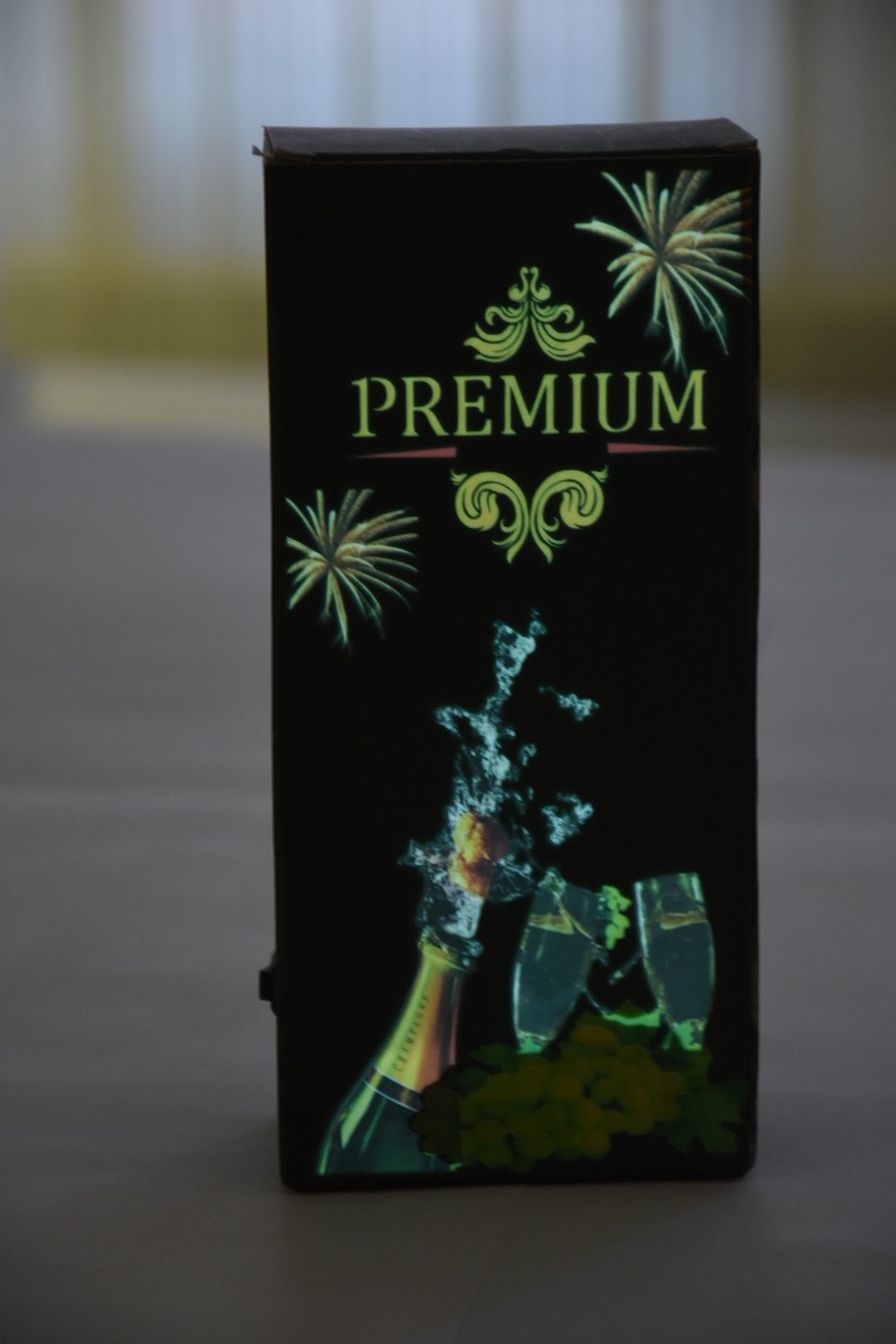
Recent developments include; Electroluminescence Label: This is an eye-catching and low power consuming optical lighting system developed in-house with strong competency on printed electronics. It works best for promotional activities with various activation options using any of the touch sensitive, pressure sensitive, motion sensitive sensors. This can be adopted for both labels as well as carton packaging.
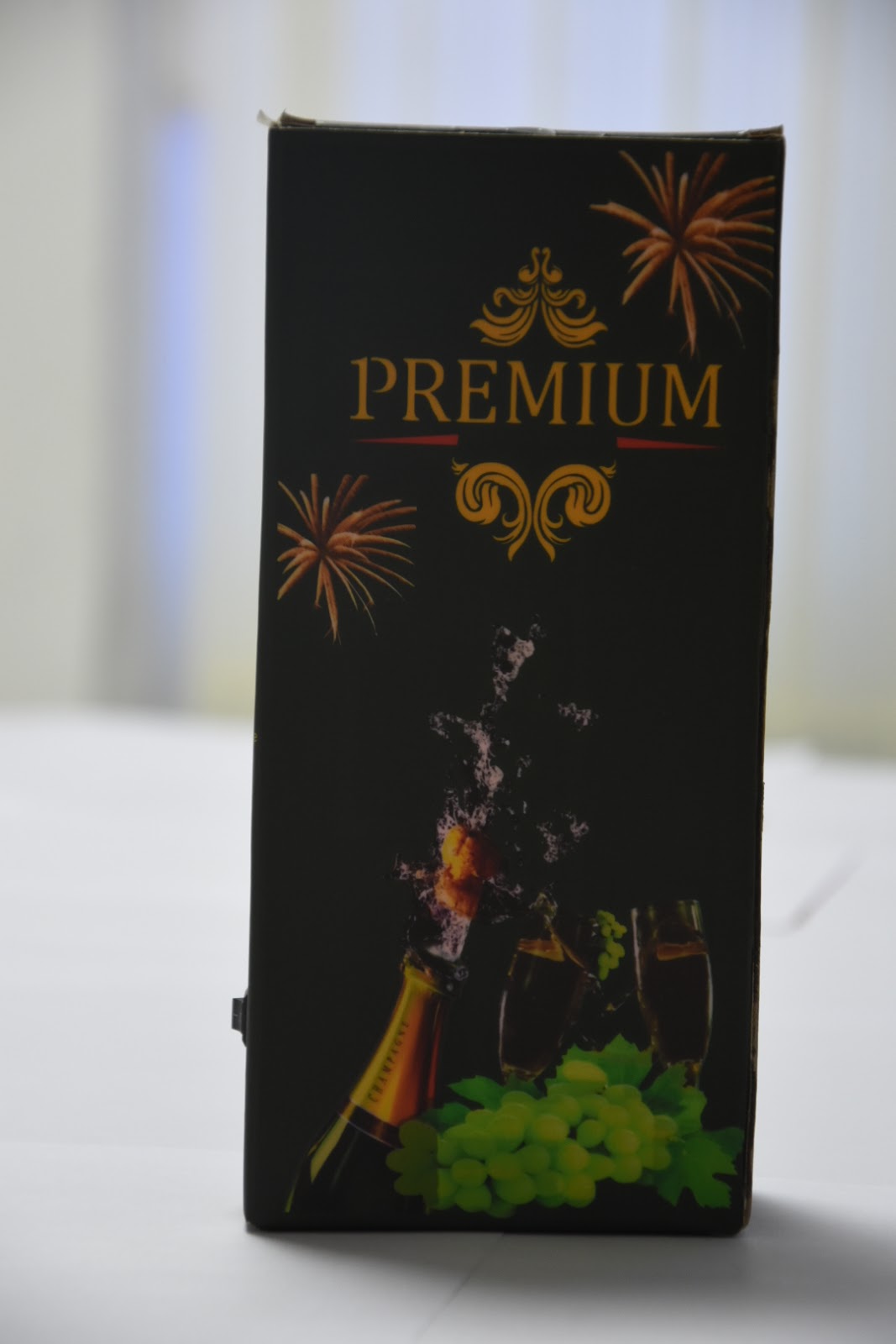
 
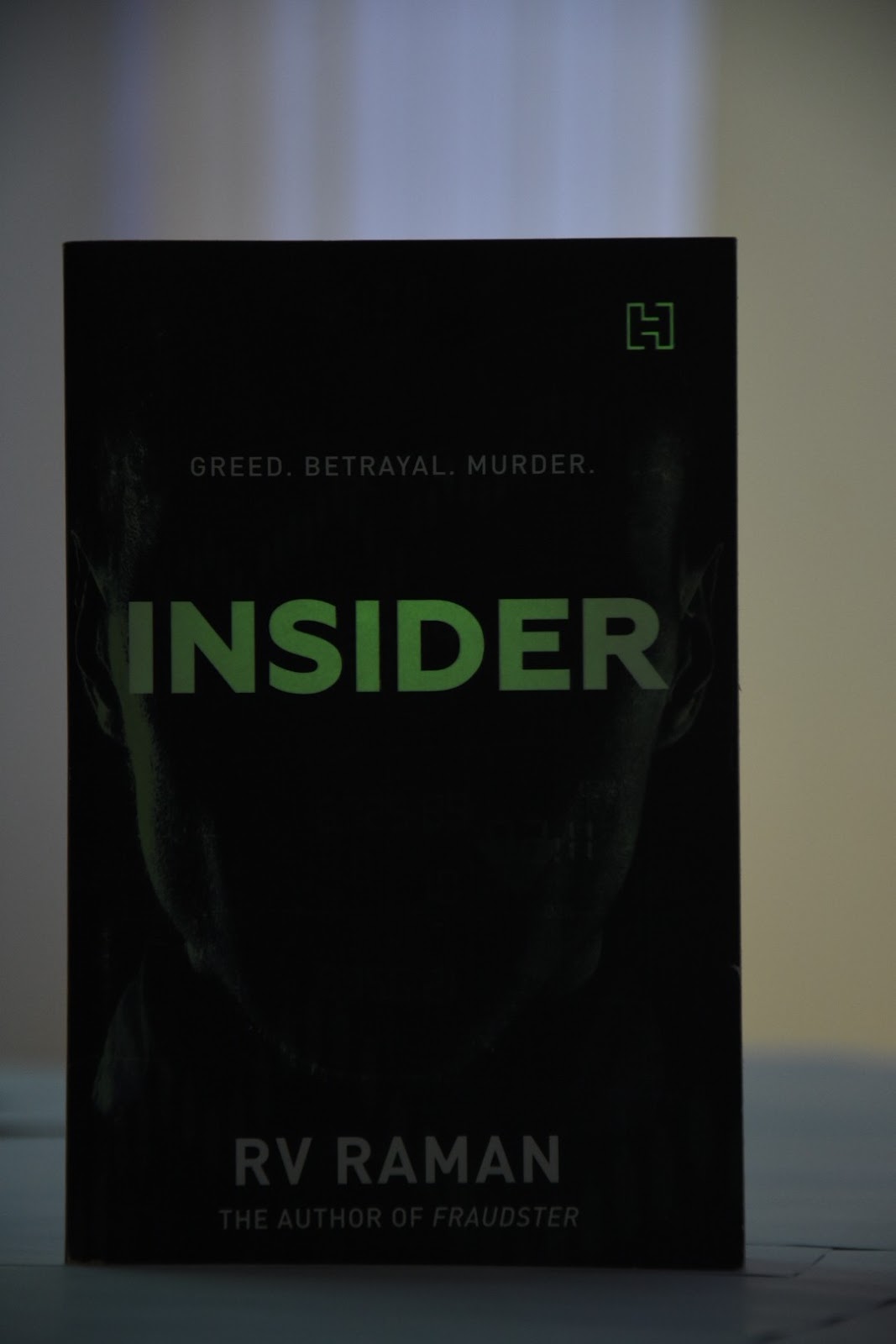
Glow in the Dark: The Glow-in-the-dark feature will completely transform packaging by hiding messages, creating a nightclub atmosphere, or an element of surprise.


Kuldip Goel


Kuldip Goel of Any Graphics Noida has repeatedly proven the need to invest time and money in creating innovations. Though he has always wanted to produce the best, stressing on aesthetics yet it was in the start of new millennium that he realized the pressing need to strengthen capabilities to produce labels that were not commodity labels done on one simple flexo press but those with added value by indulging in creativity. Anygraphics have to their credit the world label awards, Fespa awards, only Indian company to have been nominated for Global Label award for innovation, winning Printweek label printer of the year award for five consecutive years in a row, special Printweek Jury award for innovation and many LMAI label awards. 


Label created by Any Graphics
 
 
Anygraphics creates innovative labels and packaging using multiple equipment and processes for the same product employing technologies like Screen Printing, Foiling, Embossing, Doming, Narrow web Letterpress printing, Narrow web Flexo printing, Offset printing and Digital printing.


Booklet Label by Unick-Fix-A
-Form
Hemen Vasa’s Unick Fix-A-Form was set up in 1985-1986, in rented premises with one small machine (Semi automatic model) for making Booklet/Leaflet labels in Ahmedabad. In the initial years they outsourced printing.  They convinced Bayer-India to be their first customer for their Innovative leaflet labels made by using wet glue, developed for manual application on containers of agrochemical bottles. In 1992 another customer came for these labels in self adhesive format. Since pressure sensitive products were in a nascent stage that time and locally made silicone release paper was not consistent creating problem of label dispensing from applicator, Unick started import of Self Adhesive Paper.  Being the only manufacturer of booklet/leaflet labels those days, their business grew profitably and they expanded by moving into own premises and installing high-end rotary label presses, booklet making equipment and offset press. Their business has expanded to the pharmaceuticals segment with a range of offerings that include Cartons, Labels, in mould labels, Shrink Sleeves, etc. They have won many awards at home and abroad. Their supremacy in innovative leaflet-booklet labels segment has been the main reason for their success and expansion!
 
Pragati Pack (India) Pvt. Ltd., being one of the most awarded printers in the country is hesitant to share their work and endeavours in creating innovations. However still, Hemanth Paruchuri says, they try to bring innovation in labels by investing in the right equipment and pushing the limits of that equipment. Their knowledge and experience gained in the carton, commercial printing areas aids their efforts. The aim is to create innovations that are unique and have a high shelf appeal.
 
U K Gupta, Managing Director of India’s largest Hologram manufacturing company and specialty label manufacturer Holostik India Ltd. says, “Innovation is the key to drive any industry in the ever-changing dynamic world, anything that does not keep changing, ultimately loses track and is out of the race.” He has mentored his team to understand that ‘Change is the only constant’ and therefore they have to innovate with their products. Extraordinary labels, that are not just visually appealing but also render security to the product are now a necessity in view of the fact that security feature of labels cannot be ignored due to the tremendous growth of the counterfeiting business. Holostik has on an ongoing basis been making significant investments to enhance their capabilities.
 
Anil Namugade at Trigon Digital Solutions says, “Innovation is a continuous process.”  They are passionate, entrepreneurial, collaborative and creative to always deliver on their commitments. Trigon Digital established in 2007 has production facilities in Mumbai, Bangalore, Delhi, Dubai and an office in Singapore offering services in Pre-press, Print Packaging, Color management and serving over 350 brands including 20 out of top 100 global brands in 12 countries.  They provide packaging mockups on actual substrates with finishes like foiling, embossing, varnishing, lamination etc. for cartons pouches, shrink sleeves, lamitubes and labels. They specialize in Print on Demand, small and medium quantities for shrinks sleeves and Labels with personalization and variable data printing. With an ongoing innovation developing vision they aspire to be the best in the innovative label and packaging business.
 
Anuj Bhargava of Kumar Labels belonging to an extended family of label printers, is excited that his company has been recipient of many label awards in recent times including Printweek label printer of year award 2017. His team is trained to look at the product, its target audience, its selling price bracket and the brand’s desired perception that it wants to create amongst its customers, before proposing a label solution. For them innovation is not just increasing price of a label or adding shots of foil or screen inks. Different brands need different innovations. A mass market brand needs a re-engineered cost effective label stock with which it can reduce its decoration costs. A brand from the same customer, which may be targeted for the upper market segment, may need multiple foils and textured stocks. So no one formula works for all. By utilizing their expertise in print process, machine manufacturing and label stock making, Kumar Labels is able to offer different innovations. They produce their own specialized labelstocks that include textured and unique substrates normally not available.
 
It is evident that to drive in better margins, capabilities in print and decoration need to be substantially enhanced by making the correct and timely investments. Earlier only a reasonably designed and printed label was enough. Now with growing, knowledgeable, and well informed consumers one needs to study the demand perception and design the label to appeal and communicate with the end consumer in a short while that he or she is in front of the shop shelf. Pre-press is extremely important process to draw out the creativity that the design tends to deliver. Selecting the right substrate, the adhesive and shape of the label is another imperative. The label has to last the life of the consumer product as it remains visible until all of its lifespan and keeps delivering value to the brand by its aesthetic appearance. Finally it is the Press that will not only do full justice to the print but also decorate, inspect and finish the label with speed; ease of use and with least waste generation. Productivity and managing production waste are other imperatives that affect the profitability. Brand owners attempt buying at the lowest prices for their established products, however the fact still remains that to stay ahead of competition in getting the consumer attention, they need to dress up their products well. With numerous options available in an already crowded shelf space, brand owners will only consider higher prices if a label promotes their sales. To reach a win-win situation for suppliers and brand owners, printers need to invest in “Creating Innovations in Labels”!
 
Written exclusively for Narrow Web Tech, Germany by Harveer Sahni Chairman Weldon Celloplast Ltd. New Delhi India December 2017. 

The above article is restricted for reproduction without permission from the author or Narrow Web Tech, Germany
 
Label is primarily information appended to a product or its packaging giving the brand name, information on the product, its usage, safety instructions, manufacturer’s details, statutory information, prices and now bar codes that provide a system for track & trace, price information, inventory control and logistic support. How the label or the required information has been attached to the product has varied over the ages. The earliest form of labeling was done by etching, embossing or stamping brands and information directly on glass or metal containers. Labels have been in use for hundreds of years but labels as we know today have evolved largely after the 17th century. Printing originated in China in the 11th century and was further developed in Korea in the 12th century but a wooden block printing press for mass printing was invented by a German Johannes Gutenberg in the mid-15th century.  It was only in the earlier part of 18th century that printed paper labels surfaced as a possibility but since adhesives to affix these labels were not available, their usage started later. By then lithography had developed, so directly metal printed containers started being used for packing and canning. Many products are still packed with modern canning processes using metal cans printed with the lithographic printing process. It was only in the 19th century that printed paper based labels started being used for labeling and packaging using natural gum based adhesive to stick the paper labels to glass, metal or paper based containers and packaging. These labels in an evolving label scenario are now referred to as Wet Glue Labels.
 
With increasing levels of literacy, growing population and growth of packaged products, mass production in factories has become an imperative. New glass, paper, metal and plastic based packages are being developed to catch the eye of demanding consumers. The aesthetics are enhanced by affixing colourful and attractive labels. Faster labeling and packaging methods evolved as also the need to have highly decorated labels to service the need of consumers. Driven by this demand labels have evolved into different tangents. Diverse and technical labeling technologies have emerged. Listed below are some of the prominent technologies that labels have presently evolved into;
  1. Pre printed labels on metal container
  2. Wet Glue Labels
  3. Self Adhesive Labels  
  4. Self adhesive Liner less Labels 
  5. Heat Transfer Labels
  6. Direct on product screen printed labels 
  7. Contact printing and stenciling
  8. Laser  engraved labels 
  9. Metal anodized labels 
  10. Shrink Sleeves 
  11. In Mould Label 
  12. Digital: Direct on product Labels 
  13. 3D Printed labels 
Pre printed labels on metal containers: Metal containers or cans are made from tin plate (steel

covered in a thin tin layer) or of Aluminum and steel coated with a lacquer. The labeling is done in any of the three different ways listed below;


  • Metal tinplate sheets are printed by offset process and then converted into containers.


  • Preformed round metal containers are printed using a curved surface printing machine. Each color of ink is placed on a different (plastic letterpress) plate, and then transferred to a single rubber blanket which re-transfers the inked image to a can allowing all colors to be printed at a time followed by ink curing and varnishing.
  • Preprinted labels of paper, film or foil are laminated to preformed cans. These labels can be printed by, flexo, offset, gravure, or digital printing processes. These can be highly decorated on high end hybrid narrow web presses having advanced finishing capabilities. These labels can be applied as full wrap around labels or part labels with the balance surface left coated to show a metallic lustrous effect.

Wet Glue Labels: These labels are also referred to as glue applied labels. These formed the mainstay
of product labeling until well into the middle of last century. Labels initially printed on letter press machines and later on offset presses, were gummed manually and applied to the bottles or containers.  In 1880 De La Rue came up with a machine for gumming labels but this had a problem as paper labels would curl as soon as they would come out with gum applied on it making it difficult to handle.  From my personal experience I can cite example of how our company adapted to manual gumming of labels. Our parent company was established in 1939 to produce fountain pen inks and office adhesive that were packed in glass bottles. To achieve optimum level of production we devised an interesting method of applying glue and labeling. Those days the final packing was done in wooden cases, corrugated boxes came much later. We took a wooden crate and turned it upside down, spread a full roll of surgical cotton on it and then covered it with a thick cotton cloth that was tightly fixed by nailing it all around. This was then dipped into water overnight with its face downwards. In the morning we would squeeze out the water and our gumming pad was ready. A thin solution in water of natural gum (Gum Acacia) that grows on trees was applied on the pad and then labels spread on it. We would have the unlabelled bottles on one side of this pad and with a little gum on the finger, which made it a little tacky, lift the evenly gummed label off the pad and place it on the bottle without any curl and put on the other side for further packaging.  Subsequently with development of high solid faster drying Dextrin based adhesive automatic machines to apply gum and dispense labels to the bottles were developed. This made large scale production on automated production lines possible.
 
 
 Direct on product screen printed labels: Screen printing saw growth in the Indian label scenario in the middle of last century. A lot of consumer product that shifted from glass to plastic packaging also opted for screen printed containers. However this did not last for many years as self adhesive labels with the high end decoration they offered soon became the preferred option. However screen printing on container is still in use but has limited application.
 
 
Self Adhesive Labels: In 1935 “Ray Stanton Avery” developed the self adhesive label also referred
to as Sticker or Pressure Sensitive Label. This label revolutionized the way how the world branded and labeled their products. The label basically consists of a face stock which could be paper film or foil, coated with a tacky non drying adhesive and protected with a backing also referred to as release liner. The label after printing and die cutting just needs to be lifted off the release liner and placed on the product achieving instant bond on applying pressure, unlike the wet glue labels that need drying after application otherwise they would shift and look bad. The self adhesive label industry has over the years evolved to offer a diverse range of labels catering to various industries and applications that include fmcg products, lubricants, cosmetics, food, Pharmaceuticals,  variable information, logistics, brand protection, etc. In the initial years these labels were printed and die-cut on slow flat bed letterpress presses and with time they are now printed on high speed flexo rotary or combination label presses with capability to decorate and finish the labels in line in a single pass delivering finished labels at the end of the line. These labels are used on high speed label dispensing machines adding to production volumes for end user.
 
Self adhesive Liner less Labels: Self adhesive labels as described above have an issue as regards the
environment. The release liner and waste matrix after die cutting is not generally recyclable, though efforts are being made in this direction. This waste goes either to the landfills or is incinerated impacting the environment adversely in both cases. Moreover if the liner can be done away with while converting this type of label, it will amount to cost saving and become eco friendly. Considerable amount of work has been done in this direction and various options are now available. The simplest one being to make a tape like product printed, and siliconised on one side and adhesive coated on the reverse and self wound. However these labels that can be cut with sharp corners, cannot be die cut and dispensed in regular labeling equipment. Many European and US based food companies are already using such liner less labels. There is development being done to overcome the challenges of die-cutting complex shapes and dispensing cost effectively.


Heat Transfer Labels: PET film that is precoated with special release lacquer is reverse printed by flexo, offset or gravure to form labels in roll form. The image is transferred onto the container or product using heat and pressure. The labels are a composition of inks and lacquers selected so as to perform to customer’s specific needs. On transfer these labels are just the image and no substrate is transferred. Many years ago Mumbai headquartered Paper Products Limited (now Huhtamaki PPL) commissioned this technology known as “Therimage” with help of Avery Dennison. Later with self adhesive label emerging as  very decorative in presentation, this technology lost its popularity. In recent times it has resurfaced. It is extensively being used by the pen industry.It is now being extended to garments and other product segments.


Contact printing and stenciling: In present times even the corrugated shipper cartons bear self
adhesive labels needed for identification, inventory control and logistic requirements. In earlier days as I mentioned, wooden cases were used as shipper cartons. People would write on them using marker pens but when need for aesthetics became important stencils were made of tin plate. They were placed on the wooden cases and ink brushed over them to imprint the required information. Later when corrugated boxes started to be used for final packaging, roller contact printers with changeable rubber types and foam ink rolls were available to print the information that could be changed by changing the type faces as per need. Once corrugated cartons replaced the bulk of outer packaging, these cartons started to be printed and self adhesive labels applied, if needed. Stenciling is still used where wooden crates are required for final packaging.
 
Laser engraved labels: Steel or other metal auto components, like bearings need to be branded, they cannot be labeled with paper or film labels. Only the secondary packaging can be branded, this can amount to duplication and counterfeits. For this reason laser engraved branding is preferred. A laser beam which is a very small, focused point of laser power effectively superheats a tiny point of a surface and removes part of the surface, creating a permanent engraving. This beam of light is controlled and moved to create a brand name or permanent design.


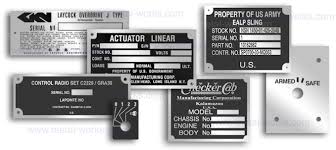
Metal anodized labels: These labels are used in applications where permanent product identification
is critical such as equipment nameplates, signage, safety/warning plates, machine control panels, etc. Abrasion and corrosion resistance anodized aluminum labels are produced by chemical etching on photo sensitive anodized Aluminum. These are mostly riveted on to the equipment or panels as they are required to last most of the life time of the equipment.
 
Shrink Sleeves: Shrink sleeves offer 360 degrees space for decoration and product information. They are made of either of these materials; Polyester, PE, PVC or PP. Pre printed film is welded to form a tube, cut to desired size of the bottle or container and applied over it. It is then exposed to a heat gun or passed through a heated shrink tunnel for the tube to shrink and attain the form of the bottle or container providing all around decoration. Shrink sleeve labels originated in 1965 and invented by Fuji Carpentry shop that were later named as Fuji Seal. The actual large scale usage of these sleeve labels commenced in the mid 1980s. According to Suresh Gupta Chairman of Huhtamaki PPL, shrink sleeves were brought to the Indian market in 1991 when Paper Products Limited (now Huhtamaki PPL), set up the plant with help from Fuji Film to make these in India. This segment continues to register a steady growth rate. Global growth is 6-7% but in India it is slightly more, given the size of the market. In India these are largely printed on gravure printing presses. However in recent times, in an effort to cater to short run customers who maybe large customers doing special editions or small and medium enterprises, printing is also being done on flexo presses and in some cases on digital label presses.
 
In Mould Labels: Paper or film printed labels (mostly filmic) are placed inside the moulds during
the molding process. After placing the label, molten plastic is injected into the mould. On cooling the label is fused with the resin, takes the shape of the so molded container and becomes an integral part of it. The labels referred to as IML can be printed and decorated by any of the processes i.e. Offset, Flexo Gravure or digital. The end result is a highly decorated container. These IML applied containers are used for Ice cream, butter, paints, food packaging, etc. According to research firm MarketsandMarkets, the global in-mold label (IML) market is projected to grow from $2.58 Billion in 2015 to $3.23 Billion by 2020, at an estimated CAGR of 4.54%. It is the fastest growing segment amongst the various label segments.


Digital, direct on product Labels: Digital printing has made its presence in all variants of label
printing and converting. From wet glue to self adhesive and in mould labels, digital printing is making inroads everywhere. Some years ago when I was interviewing Helmut Schreiner, the former Chairman of Schreiner Group, I asked him, “What do you see as the biggest threat to self adhesive label industry?” He became pensive and after deep thinking said, “It will be digital printing direct on the product”! It makes a lot of sense as we see the market slowly evolving in that direction. This will open up a whole lot of opportunities for the brand owners. No paper, no silicone, no adhesive, no dies, no tooling and yet the option to indulge in personalization and creativity! According to AlexanderWatson Associates, “It may, indeed, be a disruptive technology”. Direct to digital has been around for some time printing on textiles and ceramics. It is commonplace to see digitally printed fabrics and ceramic tiles. It has started to make inroads into the consumer product market and we need to wait and watch where it leads to.


3D Printed labels: This is another technology which may see computer controlled 3D characters and images on products and labels. It will make the imagination go wild on what all can be created. It is a process in which layers of material are formed under computer control process to create an object that can be of almost any shape formed by deposits of binder material onto a powder bed with inkjet printer heads layer by layer.


The evolution of labels has created a whole bouquet of technologies which still keep coming up in new avatars. No one technology can become the predominant one for label production. With labels diversifying into different tangents, label printers need to select the way forward so as to stay innovative and ahead of time. It is surely time to emerge out of the crowd and create a separate visible entity.
 
Written Exclusively for Label and Narrow Web magazine USA by Harveer Sahni, Chairman Weldon Celloplast Limited, New Delhi November 2017. The article may not be reproduced without the magazine's or the author's permission.