Pack Stories-1

Inside Sanjay Ghoshal’s journey from by lanes  of Kolkata to the highways of Indian packaging Industry, and why he believes Indian Packaging Industry has a lot to give to the economic development of our country.
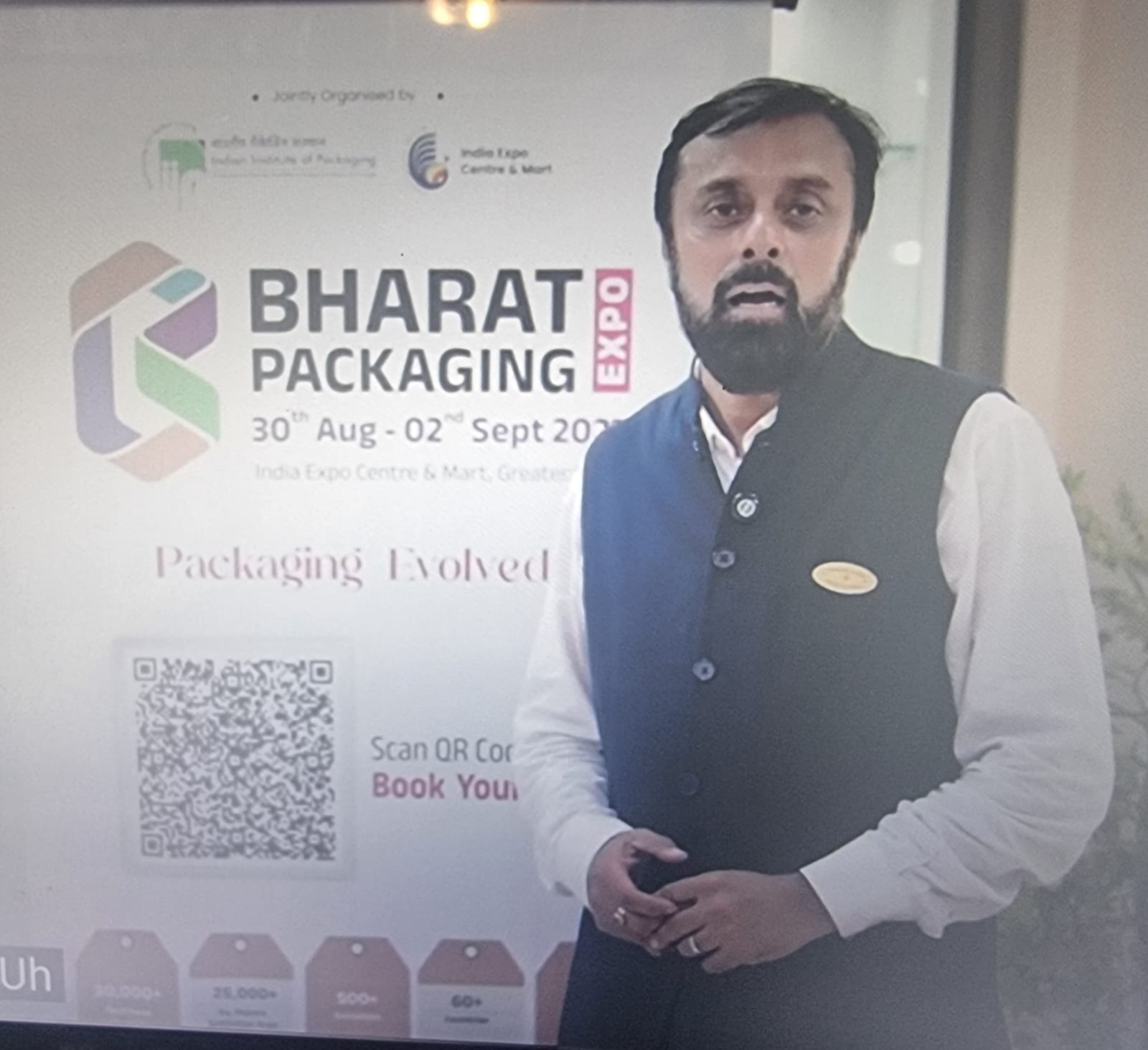
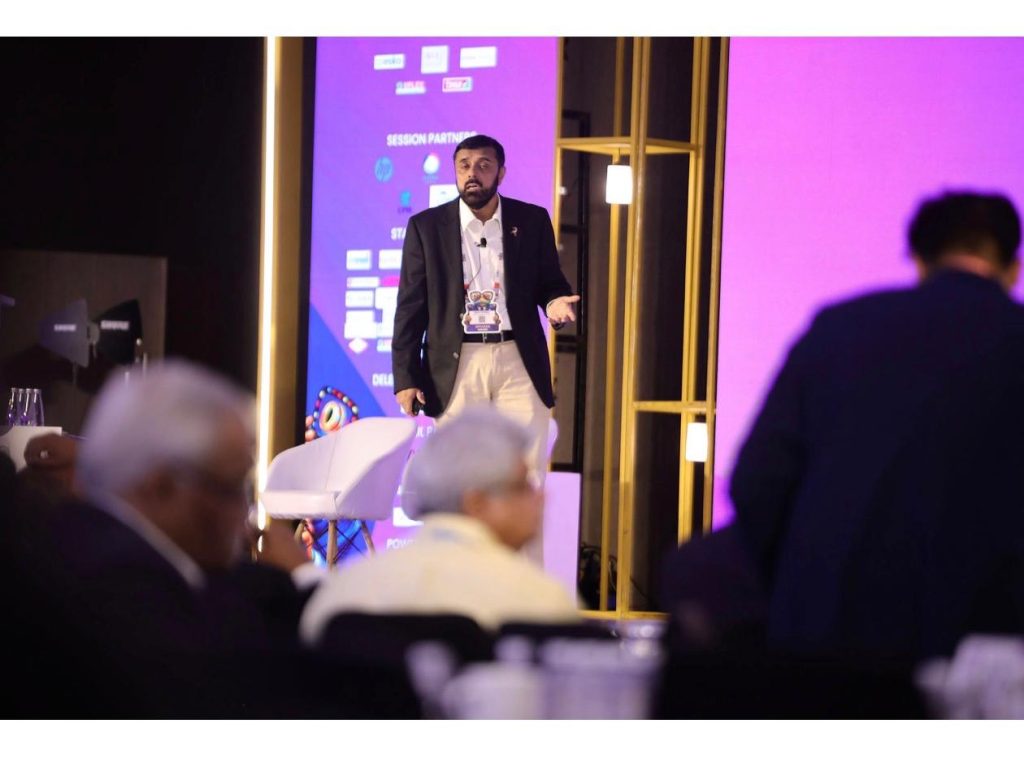
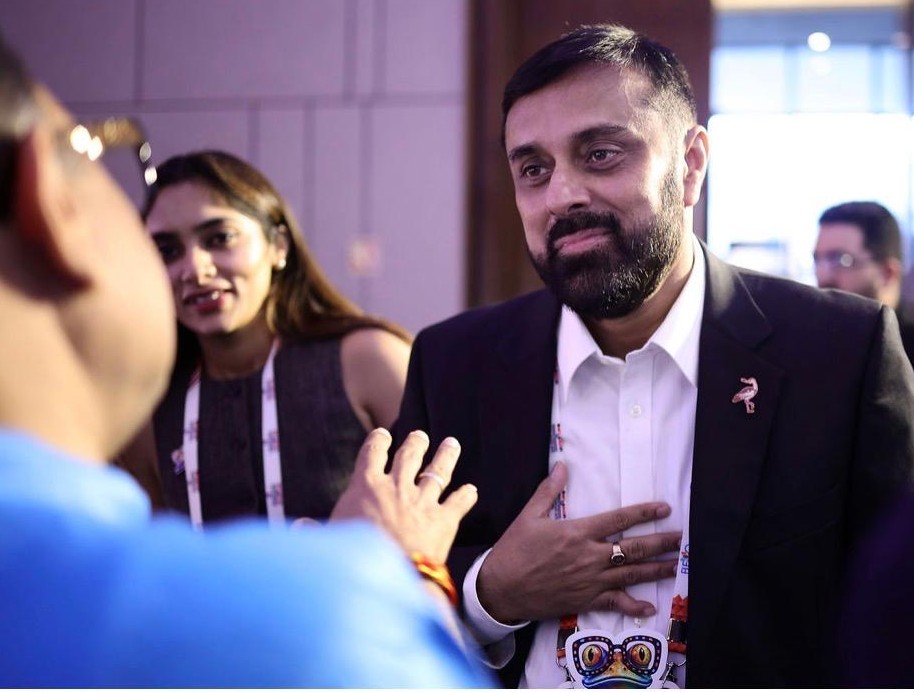
Sanjay Ghoshal is one of the more familiar faces on the Indian packaging conference circuit — a speaker whose sessions draw full rooms and whose career reads like a map of the industry itself. Over three decades he has moved through India Foils, Huhtamaki, Hindustan Unilever, Dr. Reddy’s and Havells, and today he heads packaging development at Diageo India, the global Alcobev major. Audiences keep coming back to hear him because few people have seen the business from as many angles: sales, procurement, supply chain and R&D, on both sides of the packaging value chain.
His family’s story begins with Partition of India. Ghoshal’s parents moved to Kolkata from what was then East Bengal — later East Pakistan, and today Bangladesh — and both went on to spend their careers at the Steel Authority of India Limited (SAIL). He was schooled (during which he won two National Scholarships in 1987 and 1989) and did his undergraduate studies in Kolkata, graduating from Presidency University, Kolkata in 1994, before moving to Mumbai for postgraduate studies in Packaging which he passed with 1st position and Gold Medal from the Indian Institute of Packaging (IIP) in 1996. An internship at Unilever followed, and — while he was still finishing at IIP — a job offer came from India Foils, that he accepted. He never went back to Kolkata. He also went on to complete Advanced post graduate studies in 2009 from Loughborough University, UK as part of the Unilever Technical leadership program.

He spent four and a half years at India Foils and six and half years in Huhtamaki- PPL, based in Mumbai, in a front-line business development role. It set the pattern for the first half of his career: roughly eleven to twelve years on the front line of business, dealing directly with key accounts/customers. He never saw a contradiction between studying packaging technology and building a career in sales. “Sales needs a lot of understanding of packaging,” he says, the two, in his experience, were never really separate disciplines.

A sunrise industry, and a policy tailwind

Ghoshal traces his decision to enter packaging back to the economic reforms of the early 1990s. When the then finance minister Manmohan Singh opened up the Indian economy, it changed the country’s trajectory — dismantling the License Raj and the bureaucratic hurdles that had constrained industry for decades. Packaging, he felt, stood to benefit directly from that shift.

“I was told at that time that packaging is a great opportunity. It was an emerging opportunity because India… as the then finance minister, Manmohan Singh opened up the Indian economy. So that changed the face of the country. And Packaging is great barometer of the economic development of a country. “
The logic was straightforward: as consumption and exports grew, products would need to be packaged well to sell, and the government of the day — keen to protect and promote sectors from cars to food — had every incentive to back the industry. Packaging, in other words, was less a gamble than a bet on where India’s economy was clearly headed. Looking back, Ghoshal believes it was the right call — even if the institution that trained him, IIP, has not kept pace with the industry it helped seed.

Supply side or demand side — which is better?

After more than a decade in sales and marketing at companies like India Foils and Huhtamaki, Ghoshal made a deliberate switch — from the supply side of packaging, where materials and machinery are made, to the demand side, where the brand owners consume them. In the years since, he has held packaging procurement leadership at Havells and supply chain and R&D roles at Unilever, giving him a rare, full view of the value chain from both ends.

Asked which side he would recommend, his answer is candid rather than diplomatic.

“Perhaps I would have done better if I had stayed back in supply side or stayed back in sales roles. On that side, packaging is at the core of their business. In the demand side, packaging is never at the center — it is in fringes of their business.”

At a company like Diageo or Unilever, he explains, the center of gravity is always the product — Alcoholic spirits in his current role or Homecare/Personal care products, when he was at Unilever —packaging remained a critical yet peripheral function. At India Foils or Huhtamaki, by contrast, packaging was not a supporting act; it was the core business. The transition between the two worlds, he adds, is not one many packaging professionals attempt, and it was not easy for him either. Brand-side companies tend to offer better compensation, he notes, but the visibility and centrality that come with being a supplier are harder to replicate.

The Big Bets – paving the patch for future.

In 2014-15, “Development of Medical device” had emerged as a mission critical task for the generic pharmaceutical companies with ambitions to launch their generic formulations in the mature markets like the US and the European Union(EU). It is not only the packaging that needed to work exactly the way the innovator drug did, but also the drug-device combination that warranted similarity from functional and human factor point of view which needed approval by the local FDA. Developing a new drug delivery device from scratch or finding one available with due “Freedom to Operate” turned out to be a serious challenge for the large Indian generic pharma industry. The challenge Ghoshal had to go through during his DRL stint was to accurately characterize innovator drug-device combination and ensure equivalence for the generic device without stepping into the minefield of patents and IP(Indian Pharmacopoeia) barriers. The work Ghoshal did on creating device readiness specifically in the space of complex peptide Injectables for US ANDA (FDA Abbreviated New Drug Application) or other market filings in those early days built the fundamentals for today’s preparedness even with a few Indian device manufacturers. The ability to learn fast- fail fast attitude and entrepreneurial mindset became his biggest companion during those challenging moments.

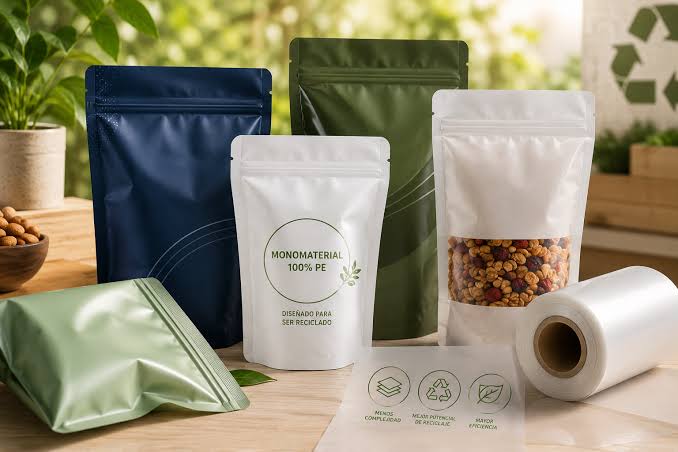
It was during his stint at Unilever, he was working on creating mono material-based sachet in 2012-2013, way before the current Indian PWM(Plastic Waste Management)  mandates of recyclability, mono-materiality circularity came into being. It was an uphill task in those days to find the right solutions in terms of films, ink and over print varnish systems and tear ergonomics of the sachet at the retail just like an otherwise multilayer sachet structure based on oriented film. Understanding the science and engineering behind the seal and perforation jaw design was big deal and incorporating them into the existing VFFS (Vertical Form Fill Seal) machine was even more challenging. Though it was not implemented commercially at that time as a sustainable alternative, it built the toolbox of solutions and learnings which were put to use subsequently when the need for mono-materiality became more compelling post 2000. Passion for innovation, External curiosity and Multi Stakeholder collaborative approach were demonstrated by him at every stage of such a future forward project.
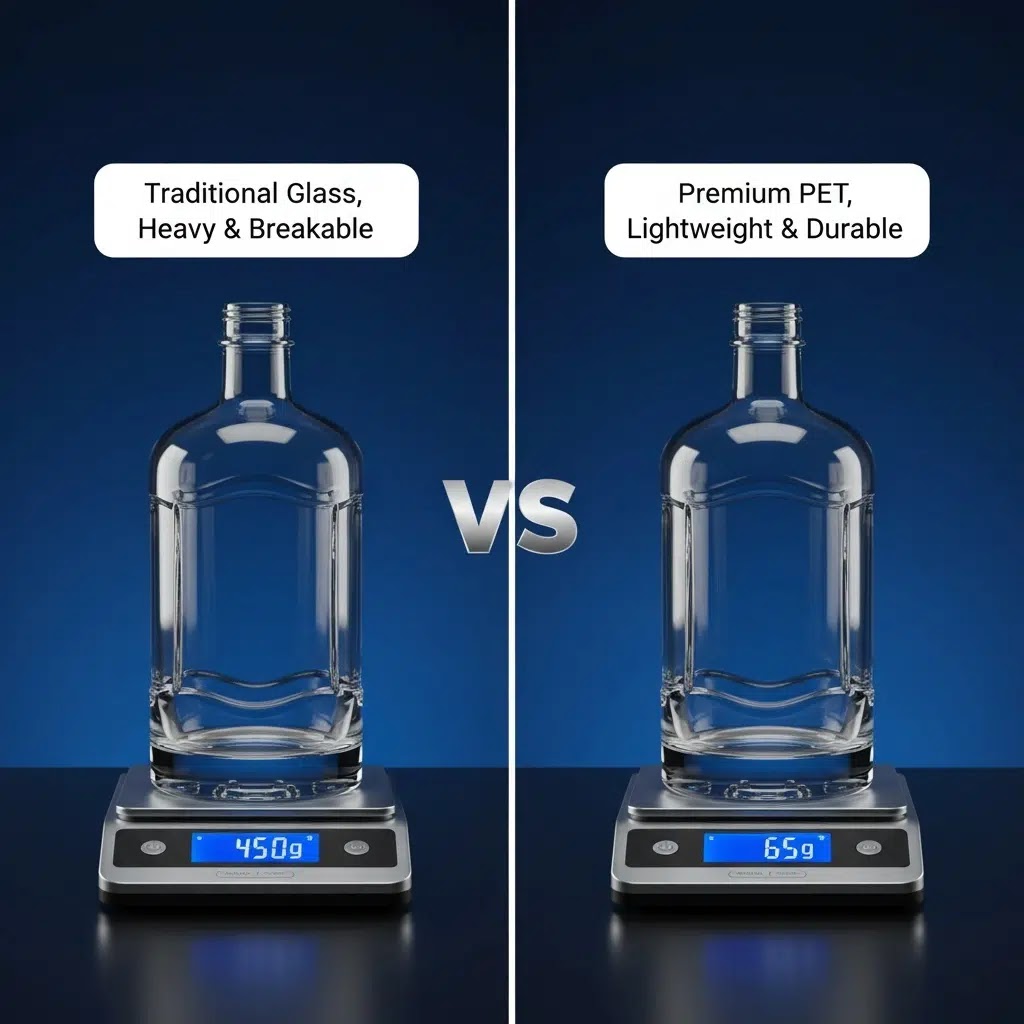
His journey of transition from Glass to PET for the alcoholic beverages segment was an excruciating and exciting one at the same time. The pioneering efforts of shifting an age-old format like glass to a new age format like PET was not only technically challenging to implement at scale but also intellectually stimulating. Technological interventions through supplier collaborations to bring about the lightest PET bottle in the alcobev category without impacting the conventional consumer experience of pouring their favorite liquid from a relatively heavy glass bottle. In 2023-24, there were very few benchmarks or references for designing a PET bottle that had the potential to recruit new consumer cohort and help grow a brand beyond prevalent market growth rates. Since this was adding plastics to Diageo’s overall portfolio, ensuring that the plastic bottle is 100% recyclable, 100% recycled and has the required PCR recycled content, was a non-negotiable imperative. At that time, Diageo became the first alcobev company in India to launch a “glass bottle look alike” PET bottle with 100% PCR FCM recycled PET which was also 100% recyclable and 100% circular. This seminal piece of work lead by Ghoshal had an enormous impact and went on to inspire the future glass to PET shifts across many other brands in the spirits category. Teamwork, decisiveness, agility and focus on progress over perfection helped Ghoshal deliver such a pioneering project for Diageo India.

Looking ahead

Having reached a reasonably senior level with a large brand owner, Ghoshal is candid about what comes next. Staying on the current path, he says, is one option — but the pull toward going back to the manufacturing side of packaging, where his career began, is growing.
“If I really want to use my knowledge, learnings and wisdom which I have gathered over the last 30 years, being fortunate to sit across both sides of the table, then I think I should go back to the packaging industry and try to serve that industry. Because that’s where my heart lies.”

He has not ruled out entrepreneurship — either building something of his own on the supply side or partnering with an existing player to chart new growth. What he is clear about is staying within packaging itself, rather than moving into manufacturing or brand building. “Packaging is my core skill, my core competence,” he says.

Family, and advice for the next generation

Ghoshal’s wife is a business leader at ArcelorMittal. Their two children — a son in class 12 and a daughter in class 10 — are, by his account, charting their own paths: the son toward engineering, the daughter toward the liberal arts. “They get to decide their future for themselves,” he says.

For young people considering a career in packaging, his advice goes beyond technical training.

“Along with their packaging learning, they should also very seriously hone their skills, their communication skills, their executive presence. They should build their leadership skills and continue a strong connect with the industry alongside what they are learning at the institute.”

It is a message rooted in his own career — one built as much on adaptability and frontline experience as on formal packaging education, and one he clearly hopes the next generation, and the institutions training them, will take to heart.

Interviewed & written by Harveer Sahni Chairman Weldon Celloplast Ltd. New Delhi
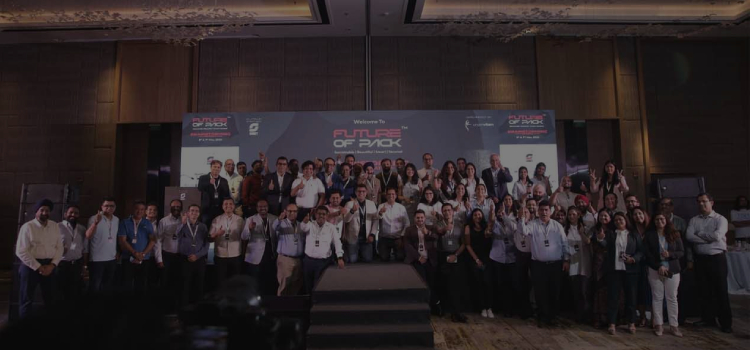
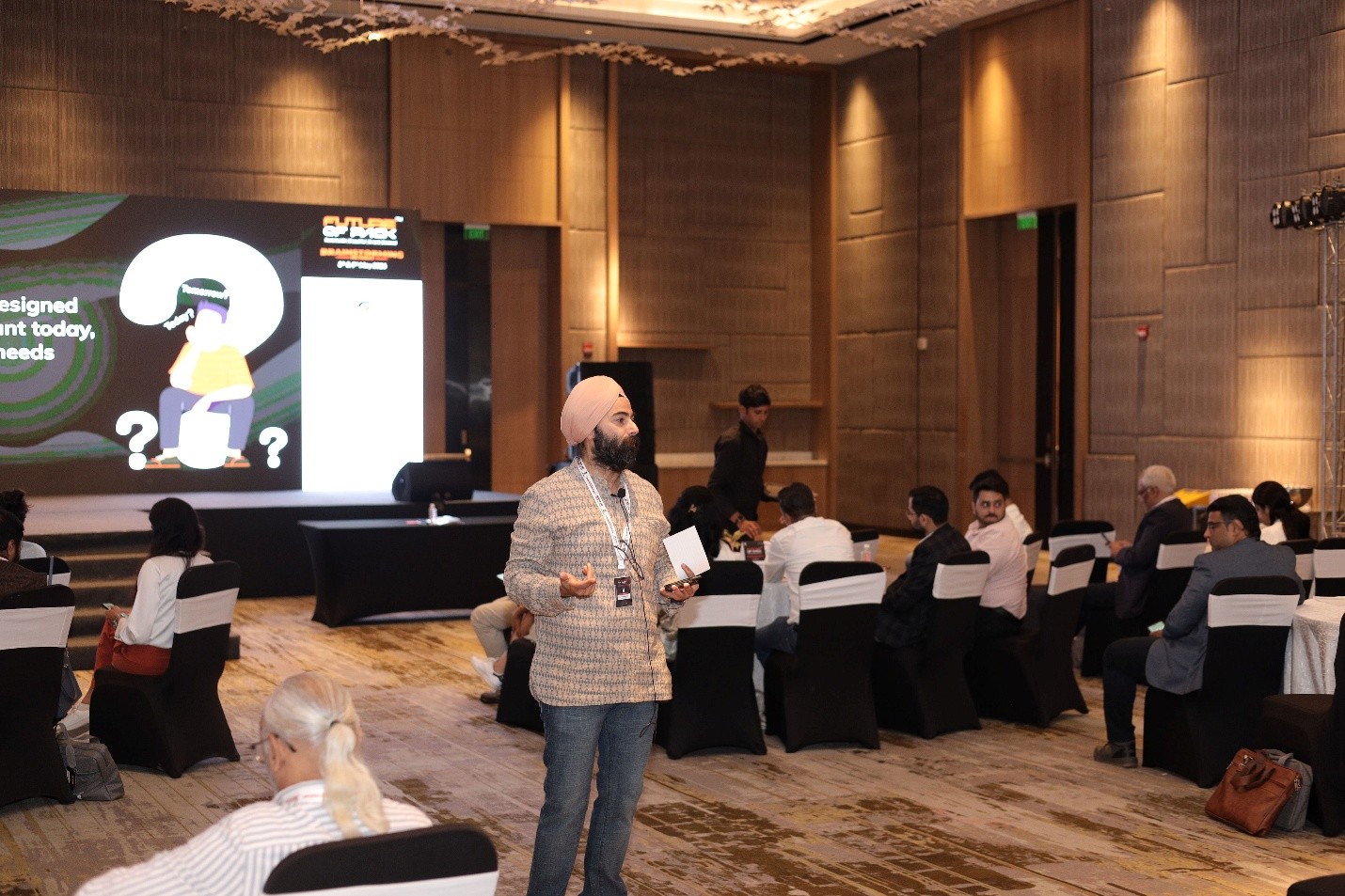
India’s geniuses in packaging development, initiated a thought process to define the roadmap to “Future of Pack”, providing amazing inputs. Recently 40 to 45 heads of packaging or senior managers of leading brands in India across a diverse range of segments, came together at a unique event, “Future of Pack, Brainstorming Retreat”. The event was conceptualised, curated and amazingly moderated by Pawandeep Sahni Managing Director, Omet India Pvt. Ltd., subsidiary of OMET Srl Italy. I have supported the event and am overwhelmed by the huge response of brands to my invite.

Akanksha Meena the global brands editor at Labels & Labeling, focusing on brand owner insights and design stories across international markets, has covered the event. Initial part of her story is reproduced below. The full story can be accessed at the link provided at the end of the first part of her writeup. 

Unpacking Future of Pack

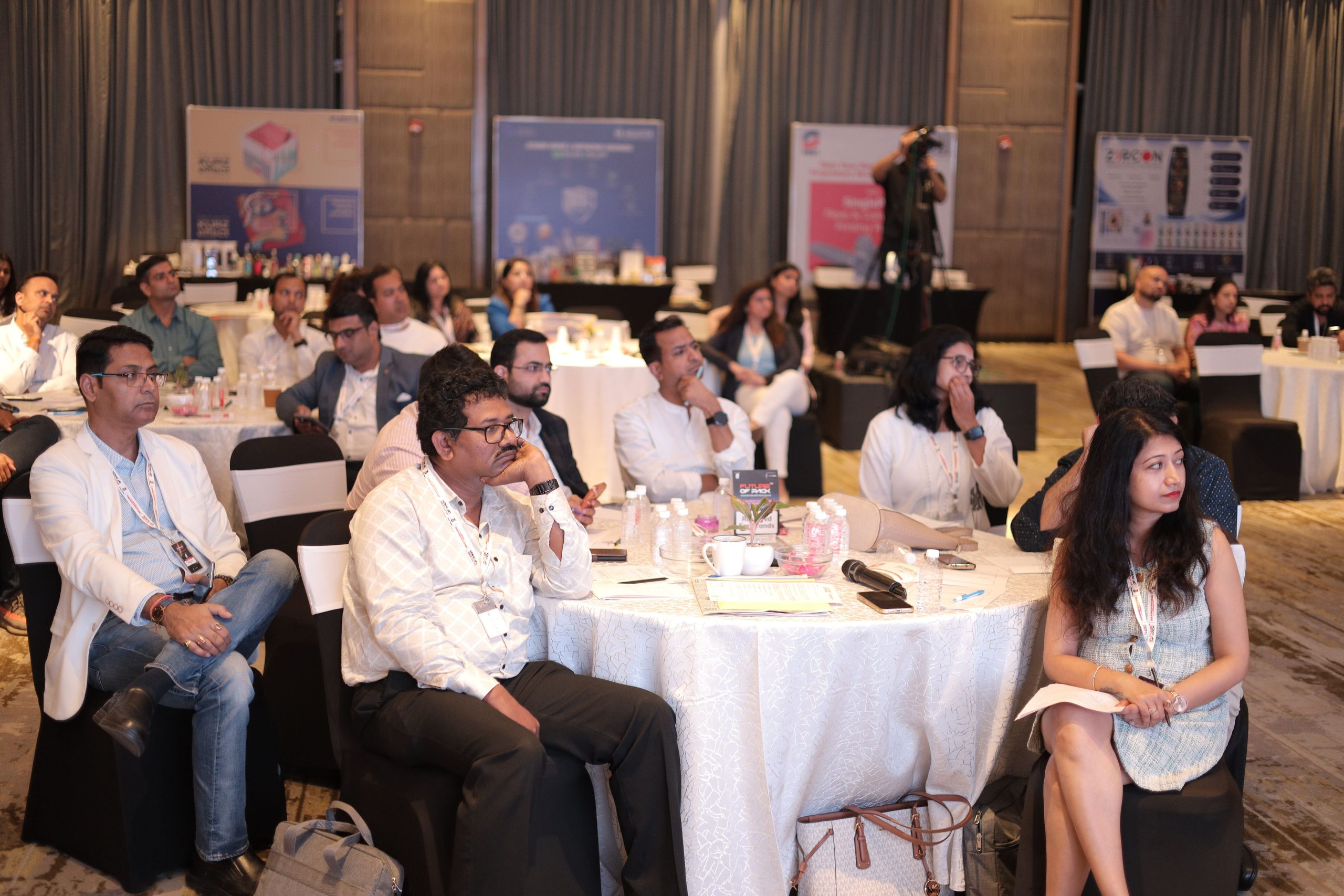
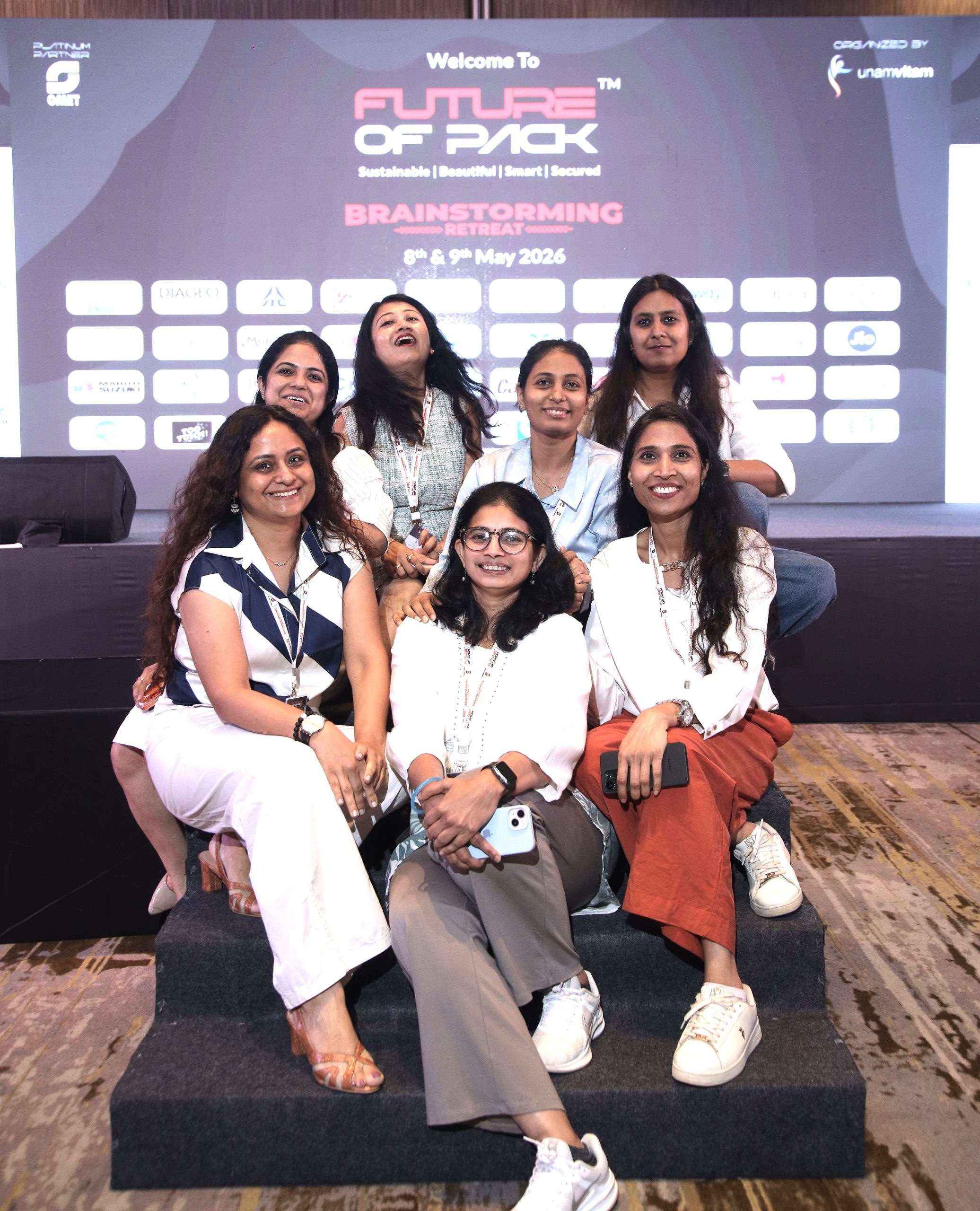
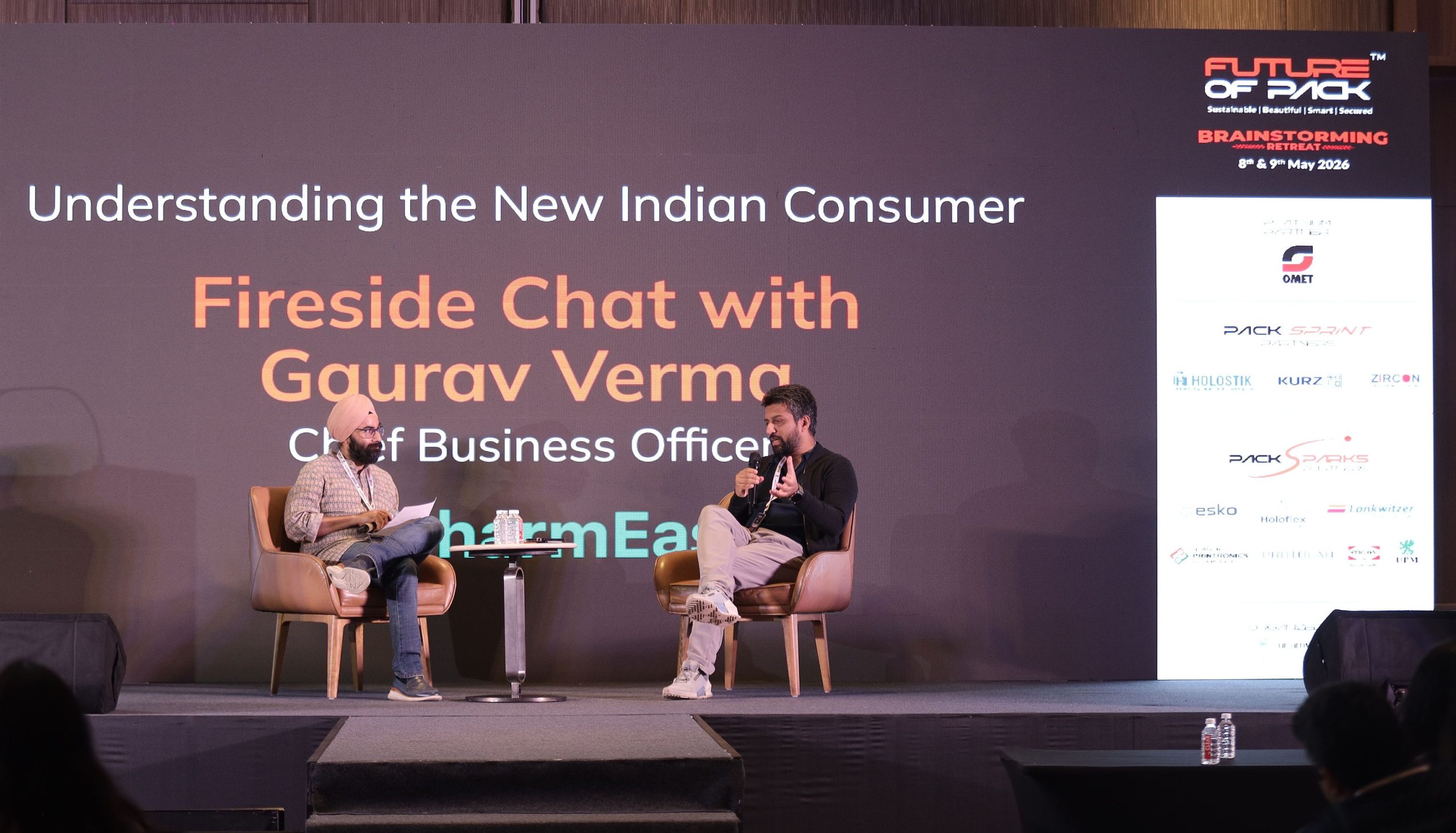
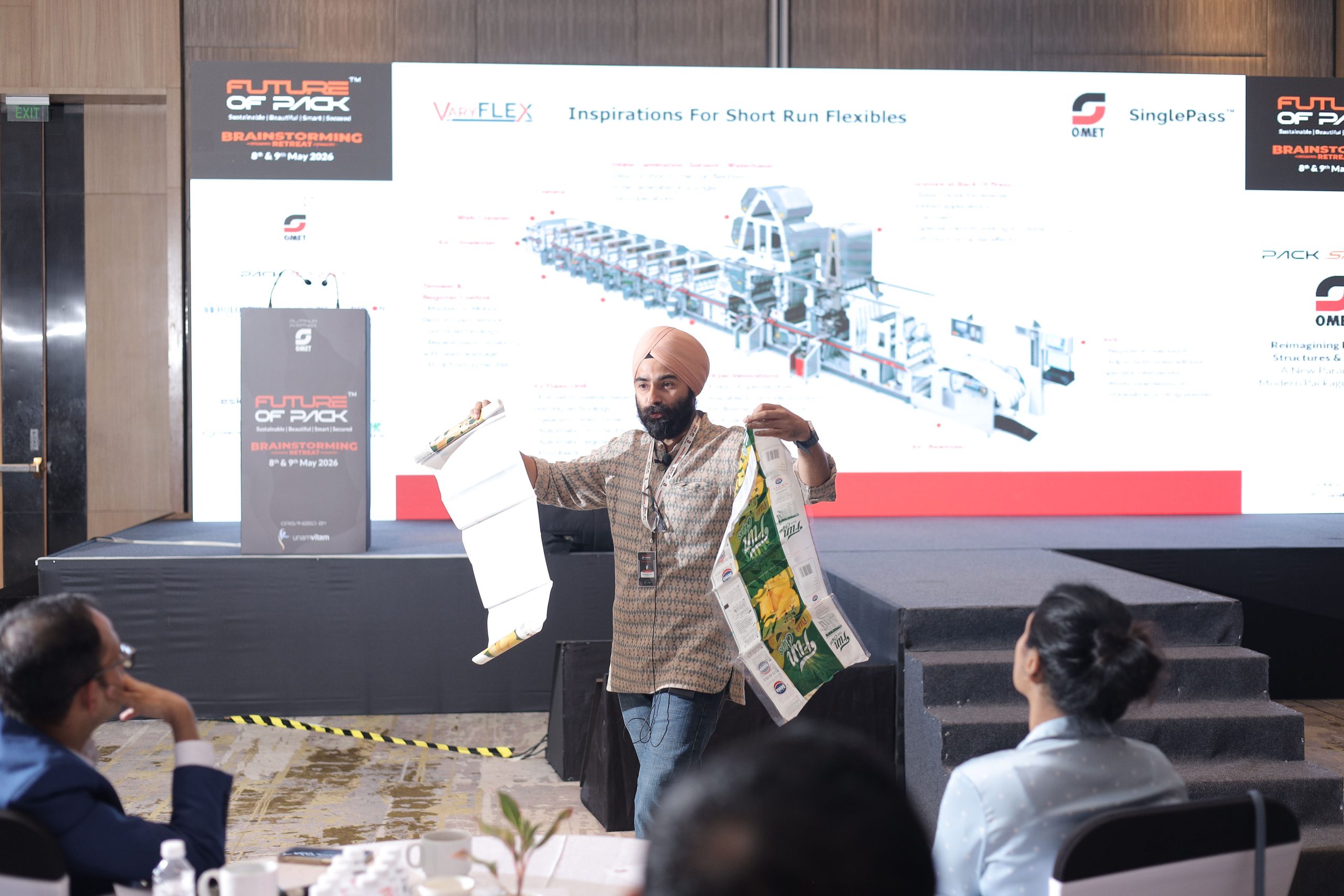
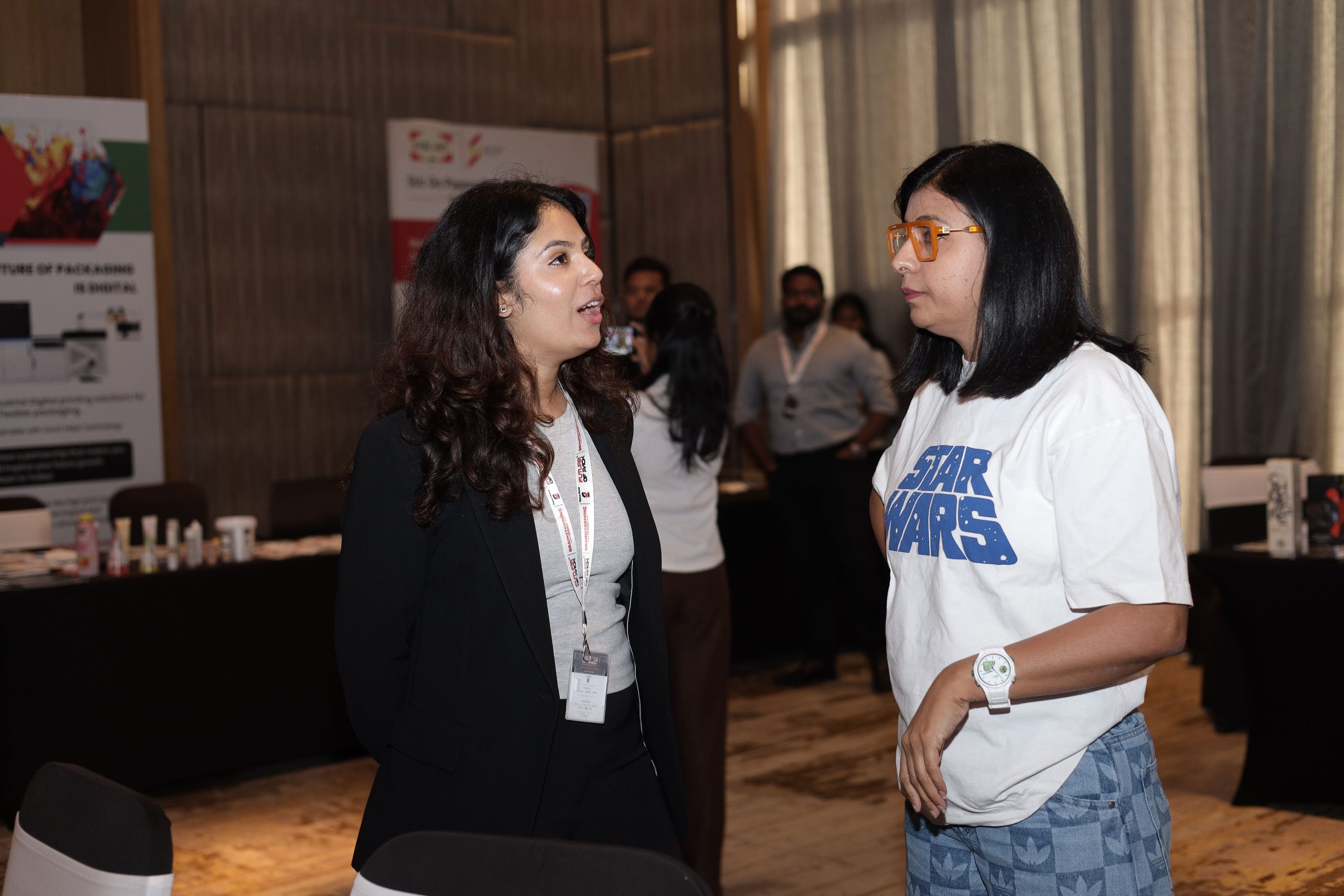
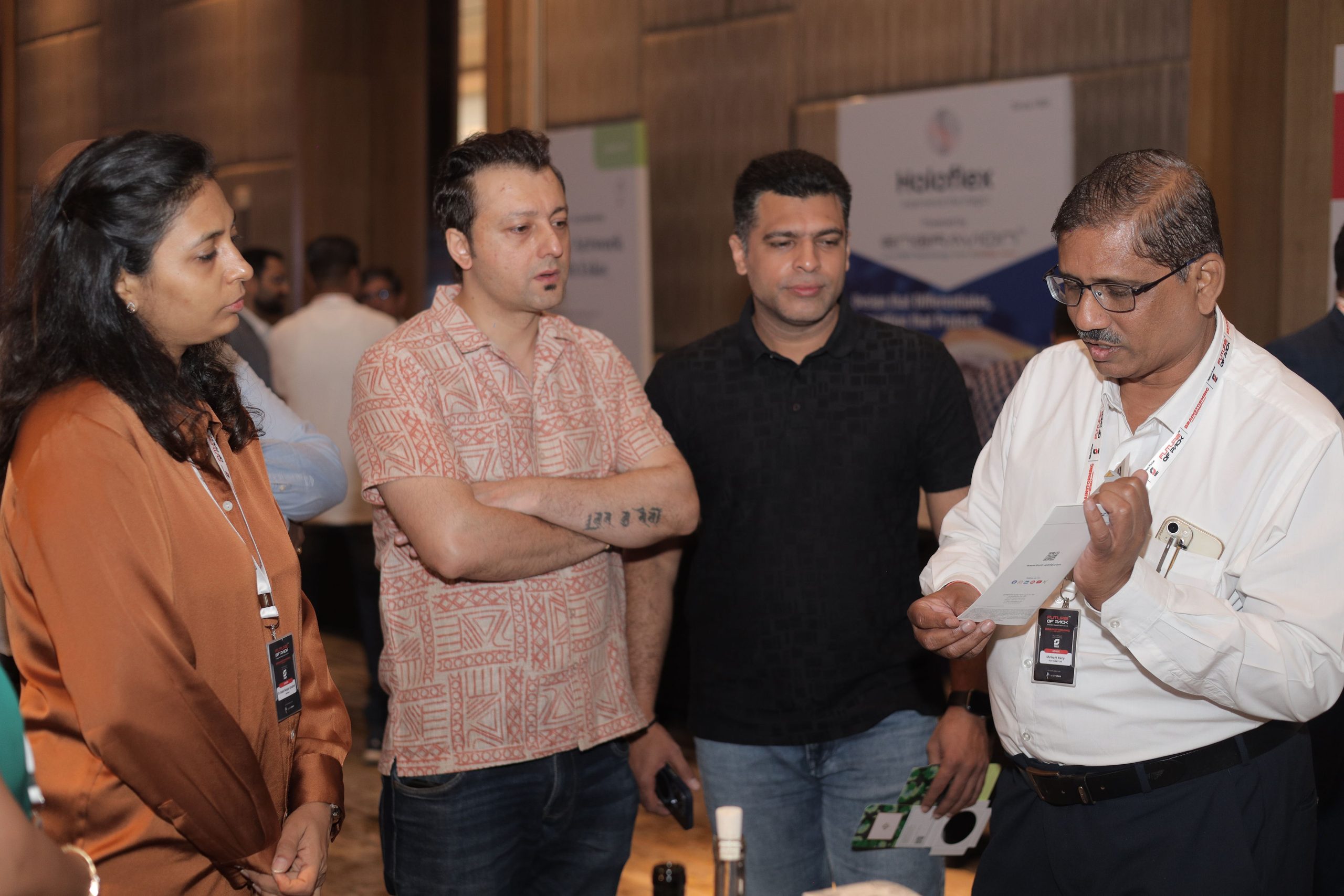
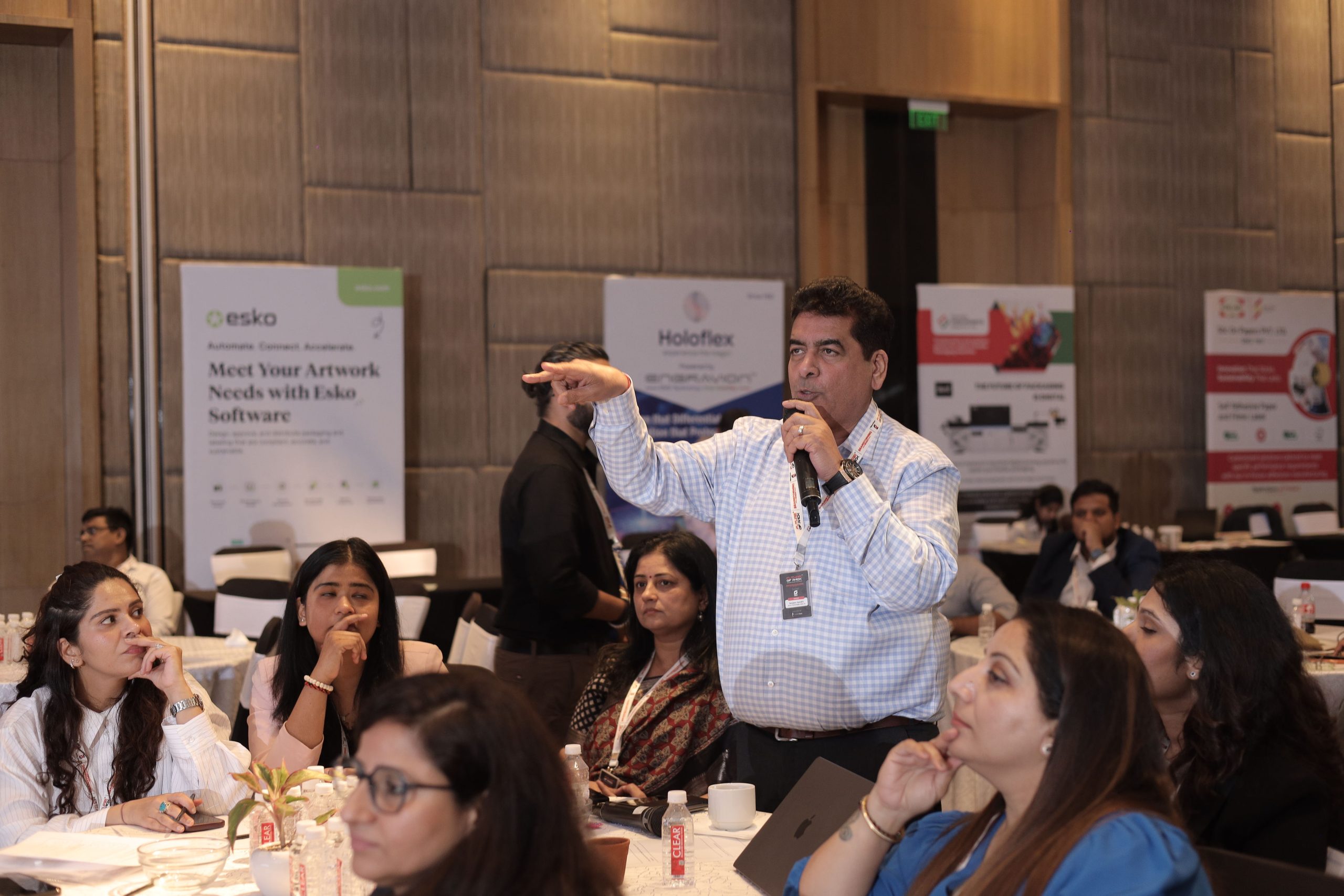
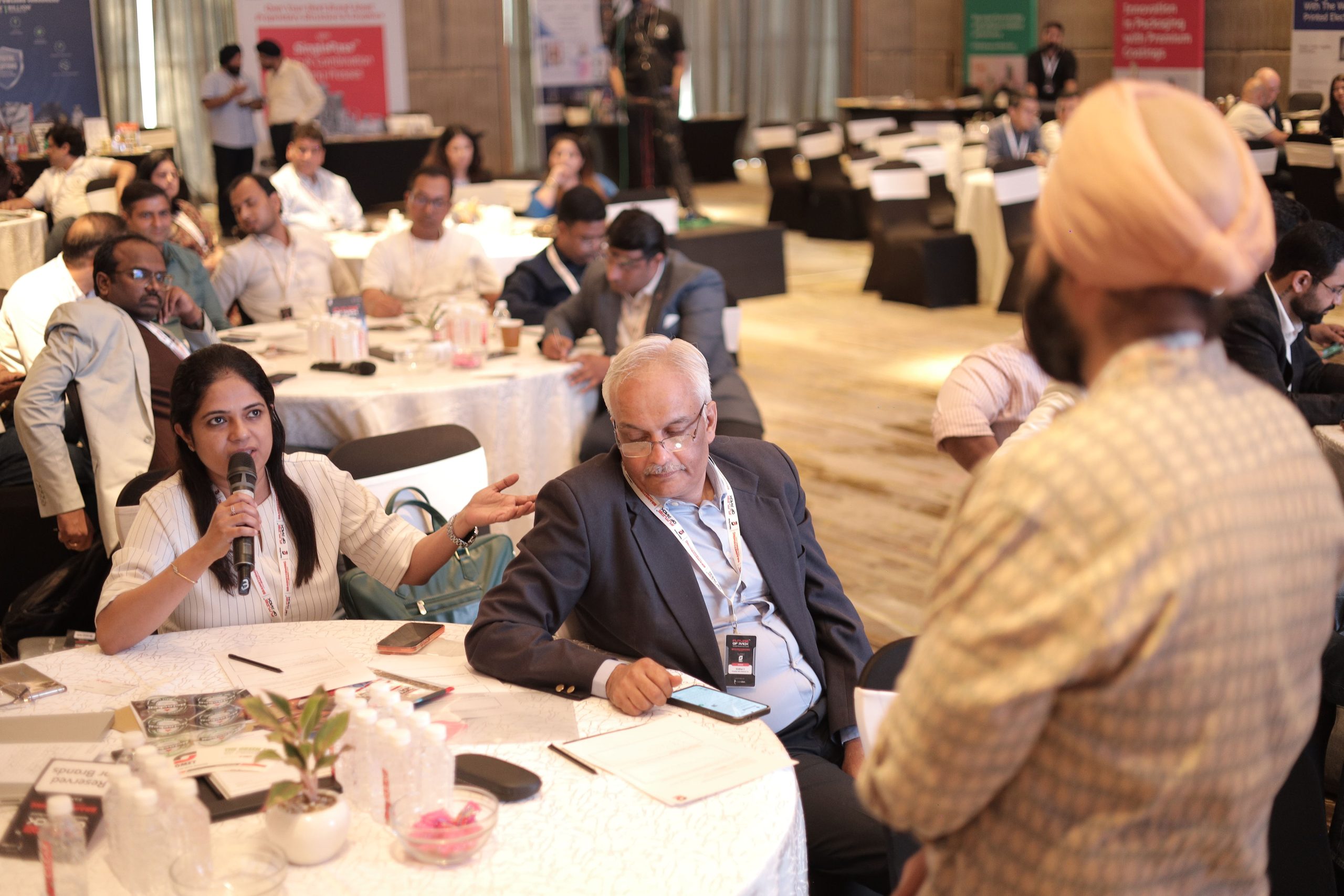
The recent Future of Pack event that took place at Aravali Marriott Resort & Spa in Faridabad, Delhi NCR, on May 8 and 9 was attended by more than 40 brands. The event explored key challenges around sustainability, regulation, packaging and label technology infrastructure, consumer expectations and collaboration across the packaging value chain. 

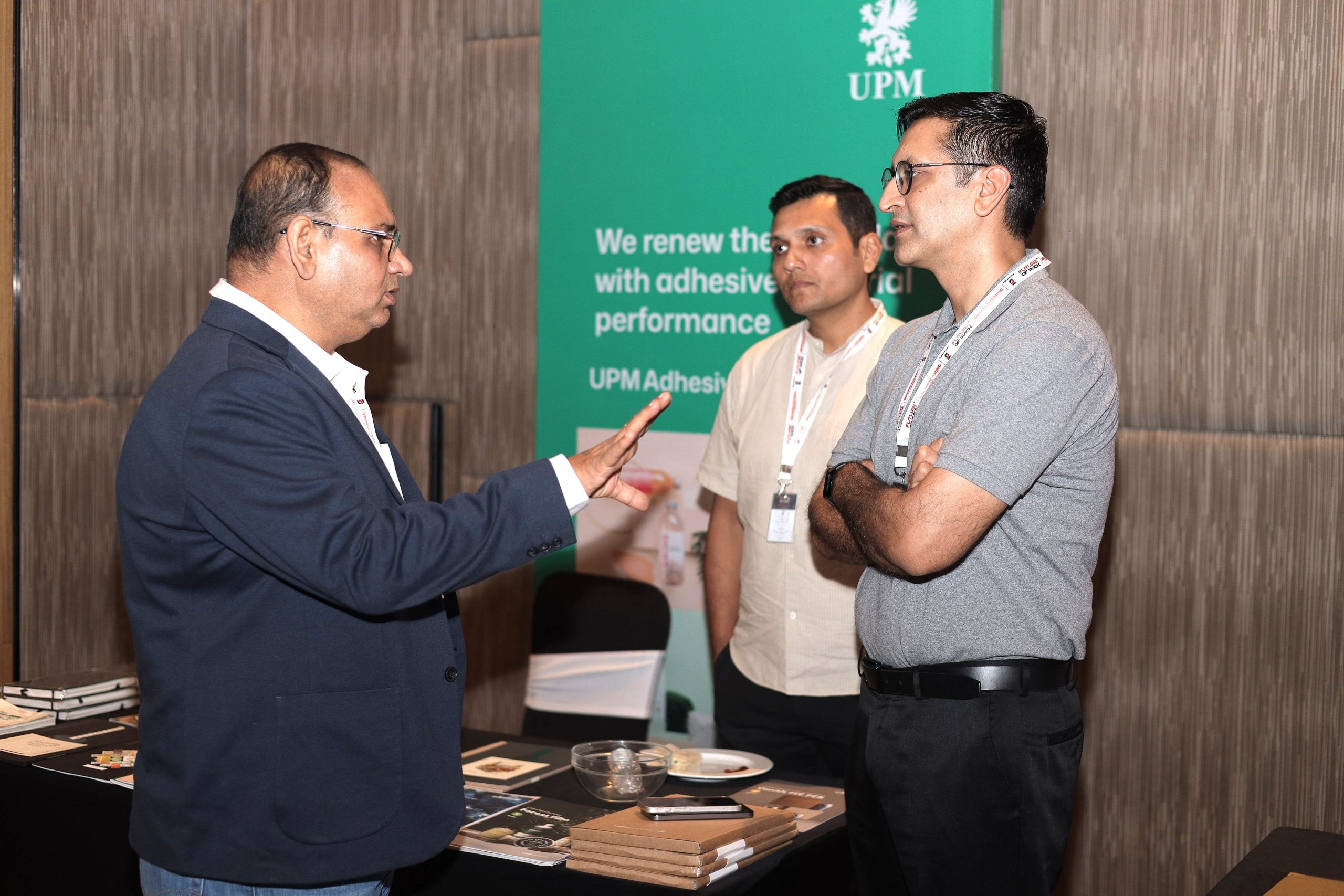
Through discussions and workshops led by companies including Omet, Avery Dennison, UPM, Holostik, Kurz and Zircon, attendees explored packaging innovations and emerging technologies shaping the future of the industry. 

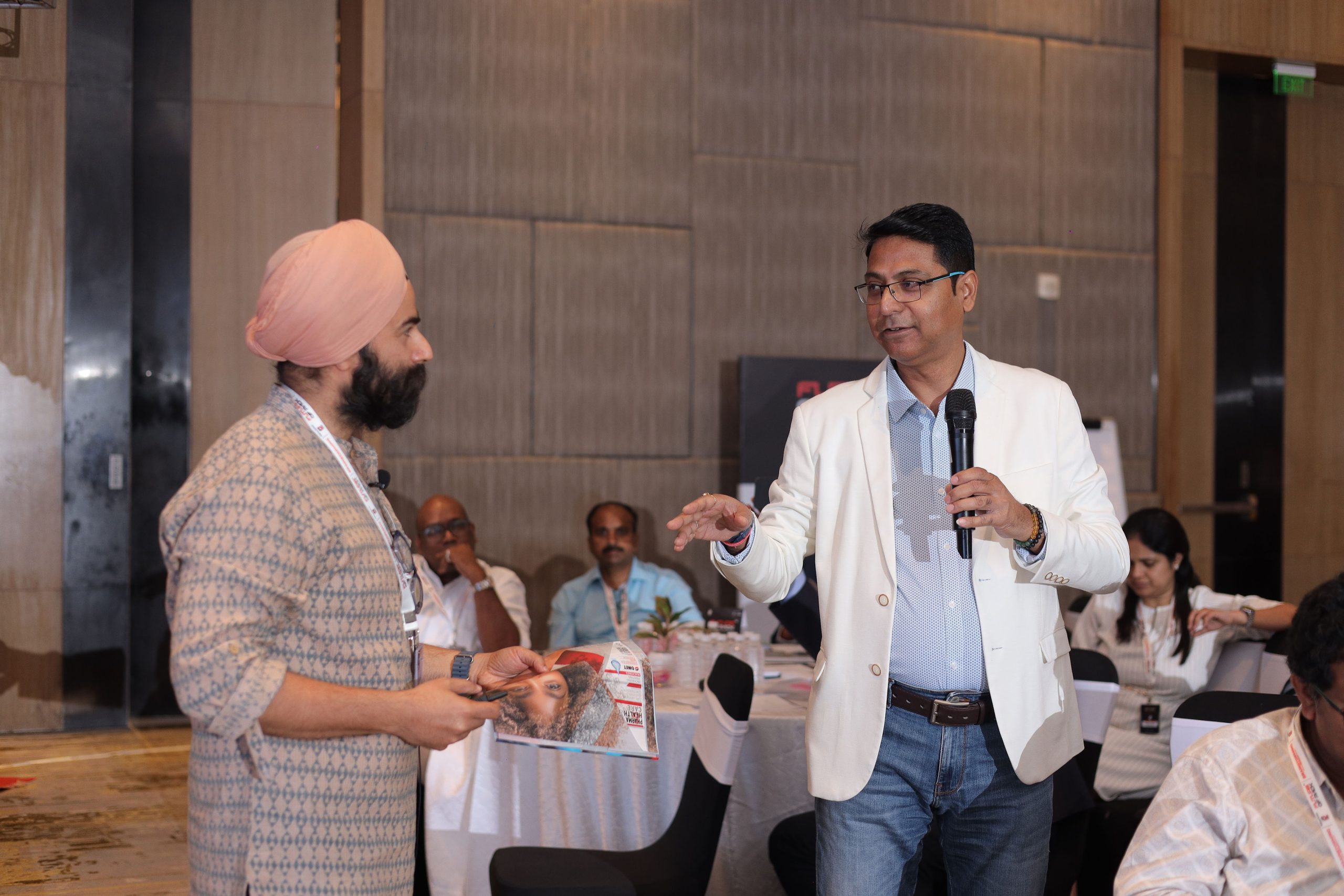
Harveer Sahni, chairman, Weldon Celloplast, commented: ‘Pawan and I wished to create a platform for “Future of Pack”, which was not a regular stage and audience event, where speeches are made from a stage, and the questions to the audience are largely met with silence. I am happy we created this very interactive platform, brainstorming at the same level in an open-mic format  with those geniuses who define the future of pack and solution providers who deliver capability in innovation, beautification, security, smart and sustainable packs. This endeavor is now recognized as the path to future. Pawandeep Sahni has been outstanding in keeping the packaging fraternity thoroughly engaged and moving within  their midst to create a collaborative session.’ 

Industry transformation 

The event began with discussion on industry’s transformation over the last two years. Attendees noted that the packaging industry has undergone significant changes, evolving from a simple protective container to an integral part of the consumer experience and brand engagement journey. Today, packaging acts as a digital touchpoint, enabling brands to connect directly with consumers through technologies such as QR codes and NFCs that enhance interaction and storytelling.  

Brand owners are increasingly adopting a consumer-centric approach, focusing not only on aesthetics but also on functionality, convenience and emotional connection. The speed to market has also accelerated, driven by new decoration technologies and the growing need for rapid product launches. At the same time, sustainability has moved to the forefront, with consumers becoming far more aware of environmental impact and pushing brands toward minimal, responsible packaging. This shift is particularly influenced by Gen Z consumers, who value sustainability, authenticity and minimalist design.  

Pawandeep Sahni, managing director of Omet India

The rise of e-commerce has further reshaped packaging requirements, making logistics efficiency, durability and the unboxing experience more important than ever. Additionally, startups are leveraging premium packaging to differentiate themselves in crowded markets and create stronger brand identities.  

The full story is available at https://www.labelsandlabeling.com/features/brand-owners-design/unpacking-future-pack

Click the link to watch the video: 

Feedback and comments of some of the participating Brands besides those mentioned in above article:

Priyanka Singh, Head Packaging Development, Lotus Herbals: Grateful to have been part of such a refreshing and meaningful industry interaction. Really appreciate Harveer Sahni ji and Pawan Sahni for creating a platform that encourages open, honest, and collaborative conversations across the packaging ecosystem. Looking forward to many more such discussions shaping the future of packaging together.

Jyotsana Tripathi, Cluster Packaging Head, SoA, Reckitt: It was an enriching experience attending the Future of Pack. Special thanks for facilitating an engaging and interactive forum between brand owners and packaging partners. The thoughtful discussions on current packaging challenges provided meaningful insights and highlighted exciting opportunities for a brighter, more sustainable packaging future. Looking forward to more such platforms like Future of Pack where packaging professionals can collaborate and shape a better future!

Geetal Mahajan Choudhari, Ph.D. (Tech.), Global Sustainable Packaging Lead, Kenvue: I am sure, like me, many of us reading here would have thought, how much effort can one do alone than doing it all together – but no one took that first step to drive collective effort to find a directional way forward for Sustainable Innovation in Packaging until Harveer Sahni ji, Pawan Sahni, and the entire team showed us how it is done! The retreat wasn’t just something truly new but also meaningful, and in true sense collaborative. Building connections, crosspollinating that immense ocean of knowledge amongst industry peers and also bringing forth some aspects of what solutions may be was amazing to see! Pawan Sahni, you have set the benchmark too high and I am routing to see the great impact this needs to create and efforts continued..
This event stood out for me not because something extraordinary was discussed but basic & most common questions that we address/ are looking for solutions in our everyday and for the future unlike just the same set of QnA in conferences these days! “The power of collaboration and combined efforts can truly build value even across industry and eventually bring collective impact!”

Swati Gupta, Senior Manager Open Innovation and Packaging Development, Amway: Thank you Future of Pack for providing the opportunity to be part of these wonderful sessions with fellow Packaging Professionals across categories. The collective wisdom, the infectious energy and passion for packaging is worth the time and effort to brainstorm on future of packaging. Looking forward to the focused areas for Industry to initiate and ignite the wholistic collaboration between brands and Packaging Solution Industry.

Varun Bajaj,  Maruti Suzuki India Limited, Senior Manager Packaging: Had the privilege of being part of the “Future of Pack – Brainstorming Retreat” an incredible journey filled with unfiltered ideas, candid conversations, and collective thinking from some of the brightest packaging leaders in India.This wasn’t a typical conference. There were no presentations, no hierarchies — just honest, energetic dialogue  among peers passionate about reimagining packaging that is:
🔹 Sustainable – reducing impact while enhancing value
🔹 Smart – intelligent and connected through technology
🔹 Beautiful– elevating aesthetics and consumer delight
🔹 Secure – protecting brands and ensuring authenticity
What stood out for me was the depth of collaboration— brands, converters, and solution partners discussing real challenges and co-creating pathways for a better, more responsible packaging future.
A few takeaways:
✅ Innovation thrives in open conversations.
✅ The future of packaging is not built in silos — it’s built in synergy.
✅ Sustainability, technology and design must move together, not in isolation.
Grateful to Harveer Sahni for creating such a powerful platform for dialogue and to  Pawandeep Sahni for his outstanding vision and moderation that kept the energy high and ideas flowing.
Events like this reaffirm that our industry’s progress will come not from competition, but from Collaboration— where passion meets purpose.

Bhupesh Mittal, Technical Packaging Program Lead, Bayer: What happens when some of the sharpest minds in packaging sit together in one room – without hierarchy, without filters, and with complete openness?

– You don’t just get discussions.
– You get a glimpse into the real Future of Packaging.
“Future of Pack – Brainstorming Retreat” was one of the most intellectually enriching packaging forums I have attended in recent times.
What made this experience special was the quality of conversations happening inside the room?
✨ No passive audience
✨ No conventional presentations
✨ Just open brainstorming among packaging leaders, innovators, converters, and technology experts
The discussions covered critical themes shaping our industry:
🔹 Sustainable Packaging
🔹 Smart & Connected Packaging
🔹 Consumer Experience & Premiumization
🔹 Packaging Security
🔹 Print & Technology Innovation
🔹 Supply Chain Challenges
🔹 Future role of packaging in business strategy
What personally stayed with me was the depth and honesty of the discussions.
When experienced professionals openly discuss real challenges, failures, innovation bottlenecks, and future opportunities, it becomes a masterclass beyond any presentation deck.
👏 A special thanks to Harveer Sahni for creating such a meaningful platform and bringing together the right minds under one roof.
👏 Congratulations also to Pawandeep Sahni for conceptualizing and moderating the retreat with tremendous energy and clarity.

Yogesh Bambal, Regional Category Lead – R&D Packaging, Asia Pacific Region – Chocolate Category, Mondelēz International: What happens when industry leaders come together with complete openness, intellectual honesty, and a shared intent to shape the future?
You don’t just exchange ideas — you create direction for the industry; It was a privilege to participate in the Future of Pack – Brainstorming Retreat, an exceptional gathering of some of the most forward-thinking minds across the packaging ecosystem. What stood out was not only the depth of discussion, but the quality of perspectives being shared across sustainability, smart packaging, consumer experience, supply chain resilience, technology integration, and the evolving strategic role of packaging in business growth. The conversations reflected a clear reality — the future of packaging will be driven by collaboration, innovation, agility, and collective intelligence.
My sincere gratitude to Harveer Sahni for envisioning and building such a high-impact platform that encourages meaningful industry dialogue beyond conventional conferences. Special appreciation Pawan Sahni for curating and moderating the retreat with remarkable clarity, energy, and purpose. Forums like these are critical for accelerating transformation across the packaging industry and inspiring the next wave of innovation-led growth. Proud to be part of an ecosystem that continues to challenge convention and collectively shape the future of packaging.

Compiled and put together from individual messages received and Linkedin posts, by Harveer Sahni, Chairman Weldon Celloplast Ltd. New Delhi with support from Labels and Labeling UK. May 2026

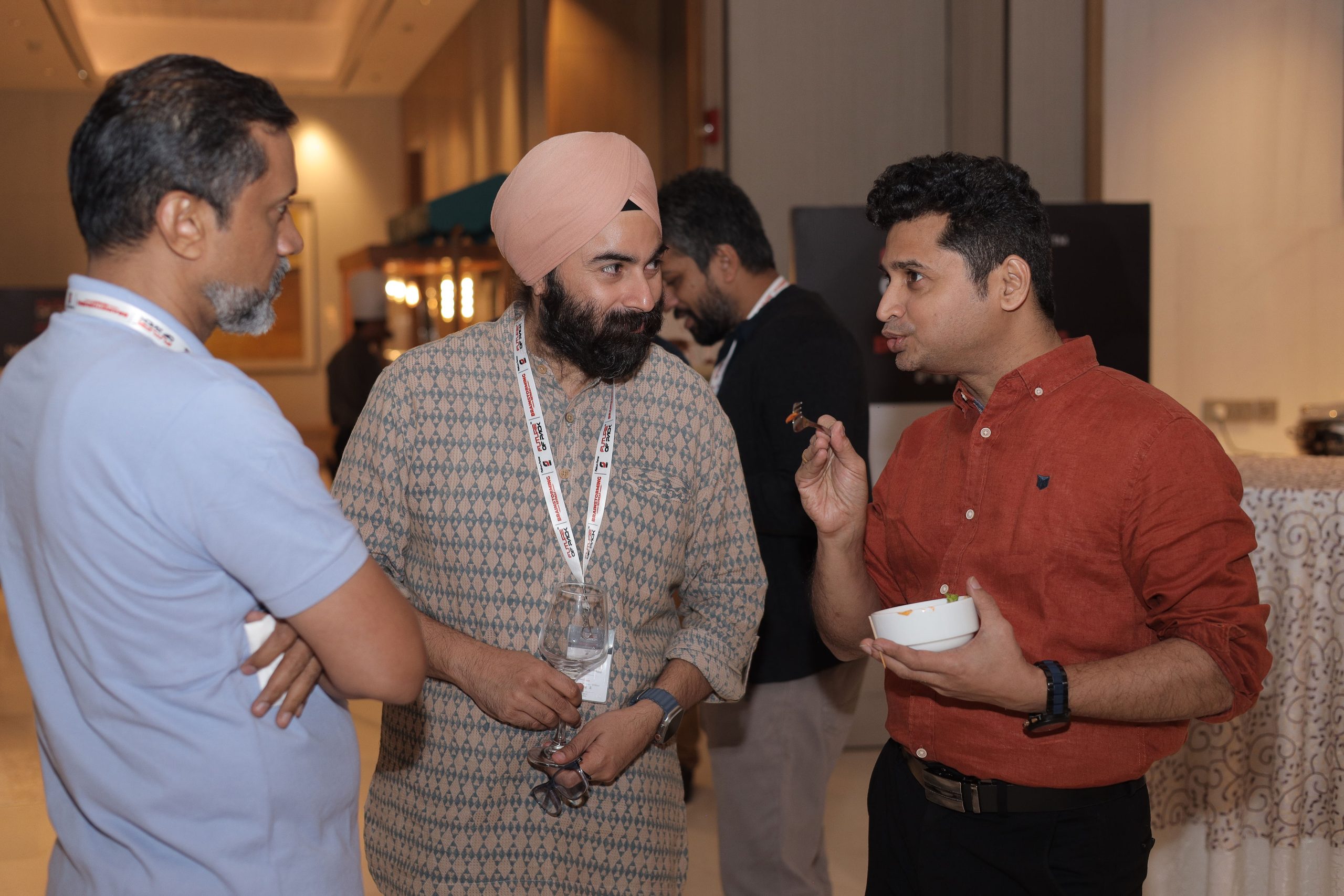
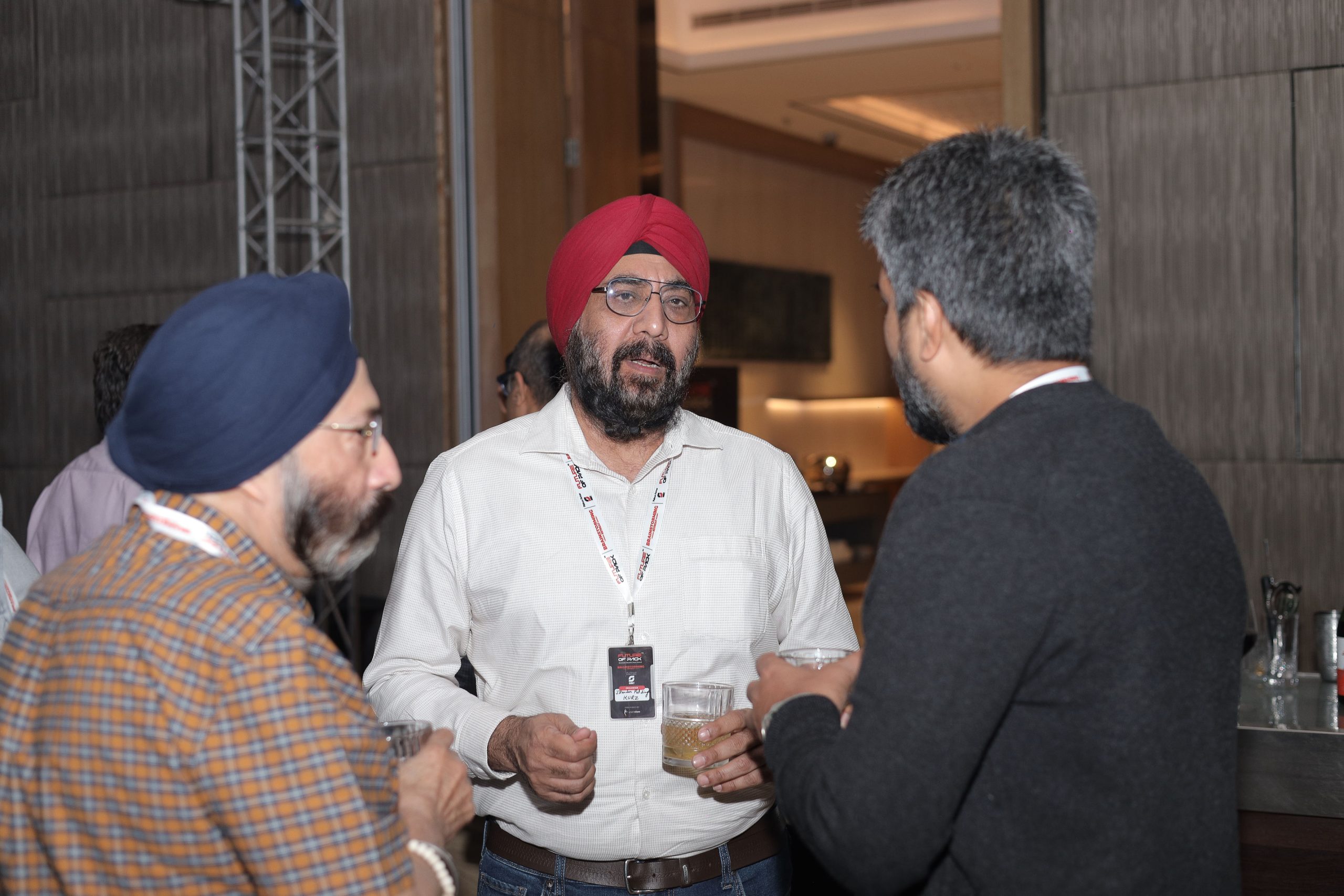
 Some images from the event: 

Compiled and put together from individual messages received and Linkedin posts, by Harveer Sahni, Chairman Weldon Celloplast Ltd. New Delhi with support from Labels and Labeling UK. May 2026