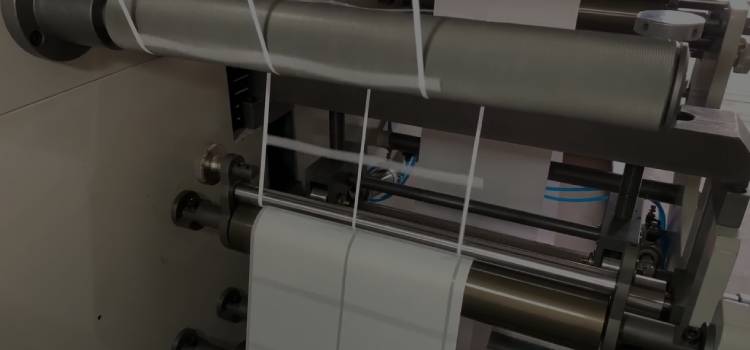
Storing Magnetic Cylinders and Dies: Best Practices

Proper storage and handling of magnetic cylinders and dies directly impacts their service life and the quality they deliver. These precision tools represent significant capital investments that deserve appropriate care.

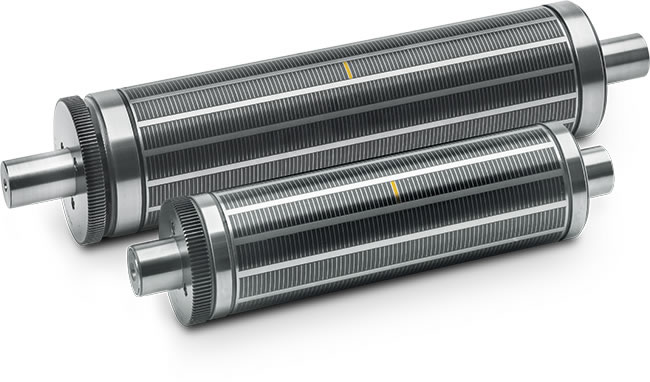
Magnetic cylinder storage begins with cleanliness. Before storage, cylinders must be thoroughly cleaned to remove any adhesive residue, ink deposits, or debris. Even microscopic contamination can attract moisture, leading to corrosion that damages the precision-ground surface. A light coating of rust-preventive oil protects the surface, though this must be removed before the cylinder returns to service.
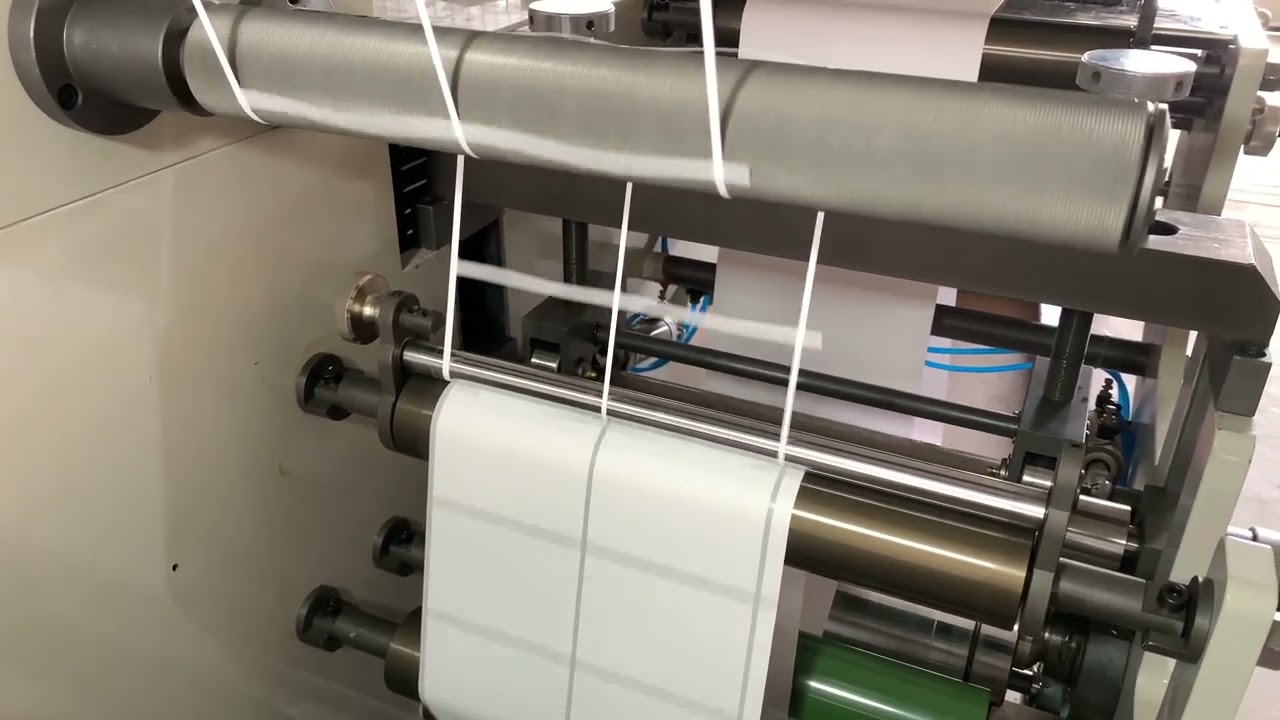
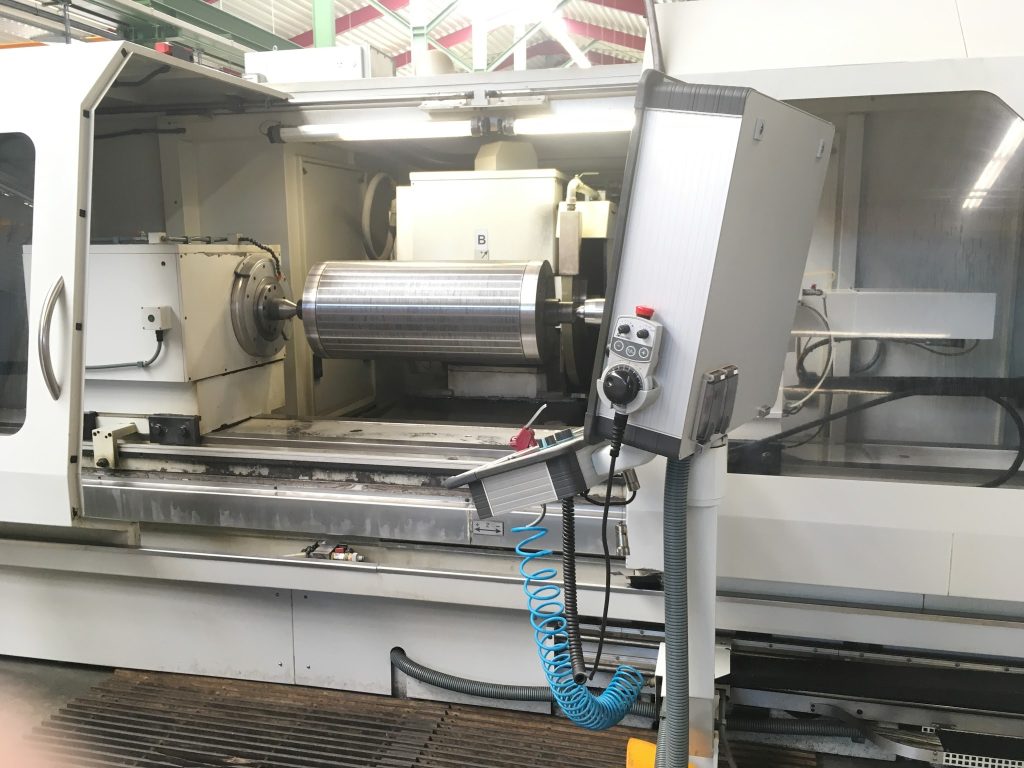
Environmental control is critical. Magnetic cylinders should be stored in a temperature and humidity-controlled environment, ideally between 18-24°C and 40-60% relative humidity. Rapid temperature changes can cause condensation that leads to corrosion. The storage area must be free from magnetic interference sources that could demagnetize the embedded magnets, reducing their holding force. Magnetic cylinders should be ideally stored with protective covers to prevent surface damage, and when not in use for short periods, pressure should be released to maintain precision tolerances. Cylinders should be stored on padded racks or in protective cases with soft linings. The precision-ground surface must not contact hard materials or other cylinders, as even small dents or scratches translate into cutting defects. Cylinders stored vertically minimize bending stress that could compromise roundness tolerances. In India and largely people use open racks to store.

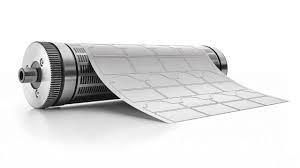
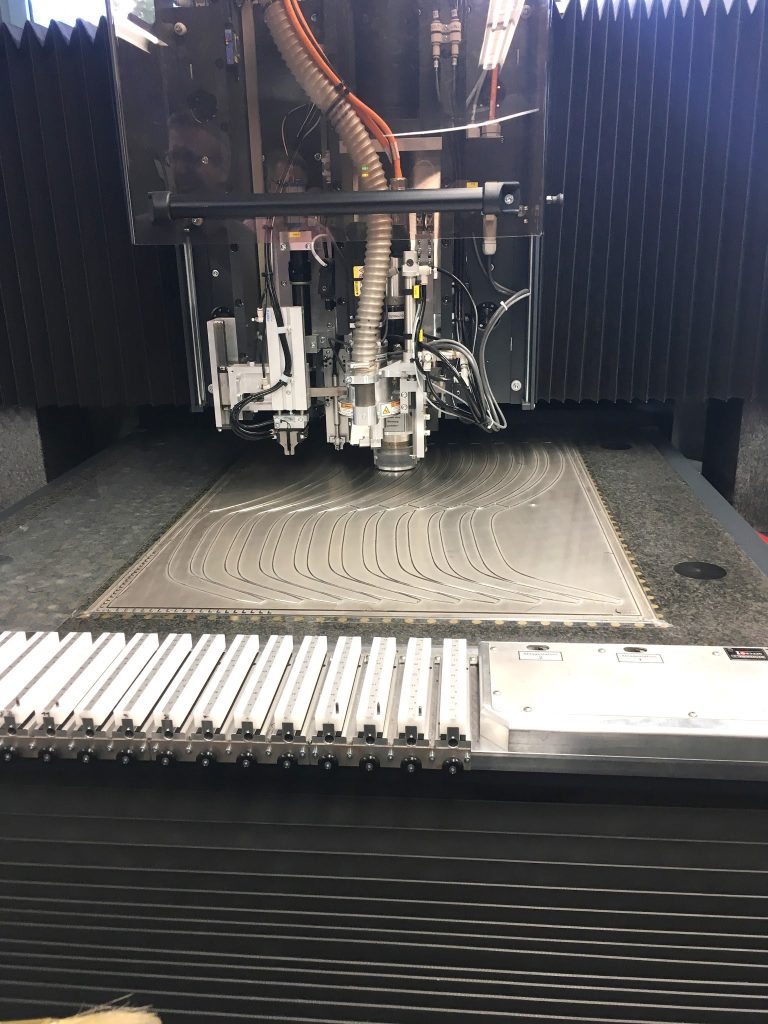
Flexible die storage requires protecting thin, precision-etched steel from damage. Dies should be stored flat, never rolled, as rolling can permanently deform the cutting edges. Individual dies should be separated by protective sheets to prevent edge-to-edge contact that could chip cutting blades. Silicone release paper or polyethylene foam works well for separation.

Organization and identification are equally important. Dies should be clearly labeled with job information, date of manufacture or last use, and any specific setup parameters. This documentation prevents errors during setup and helps track die life and performance. Many converters maintain logbooks recording die usage, and performance notes to optimize die management and predict replacement timing.

Climate control for die storage parallels cylinder requirements. Steel is susceptible to rust, and even stainless-steel alloys used in some dies can corrode under adverse conditions. The storage environment should maintain stable temperature and humidity with adequate air circulation to prevent moisture accumulation.

Handling procedures matter as much as storage conditions. Dies and cylinders should be handled with clean, lint-free gloves to prevent skin oil contamination. Dropping or bumping precision tooling causes damage that may not be immediately visible but will manifest as quality defects during production. Magnetic cylinders should be checked for surface condition and magnetic field strength.

Additional Considerations in PSA Label Production

The pressure-sensitive adhesive label industry encompasses far more than die cutting alone, though die cutting remains a critical converting step that influences every aspect of label performance and quality.

Sustainability has emerged as a dominant concern. The label industry is working toward reduced material consumption through thinner liners, no-liner label technologies, and improved matrix efficiency. Die cutting plays a role through precision cutting that minimizes waste and enables thin liner applications. Some converters report matrix waste percentages below 15% through careful label design optimization and precision die cutting.

Quality control increasingly relies on vision inspection systems working in concert with die cutting stations. Cameras can detect incomplete cuts, die-strike damage, registration errors, and edge quality defects in real-time, triggering automatic press stops before significant waste accumulates. This integration of die cutting with automated quality verification represents a significant advancement over manual inspection.

Automation continues to transform label converting. Automatic die changes, powered by robotic systems or quick-change mechanisms, reduce setup times from 30-45 minutes to under 10 minutes. Automatic job changeover systems, fed by production scheduling software, sequence jobs to minimize die changes and setup time. These technologies are making short-run production increasingly viable, expanding the addressable market for pressure-sensitive labels.

Digital integration connects die cutting with upstream design and prepress systems. Label designs are created with die cutting constraints built-in, ensuring manufacturable shapes and avoiding features that would create matrix removal problems. Digital twin simulations can predict die cutting performance before physical production, reducing trial-and-error during setup and accelerating new product launches.

Future developments in die cutting technology continue to evolve. Research into laser-induced plasma cutting promises speeds approaching mechanical die cutting while maintaining the flexibility of digital systems. Ultrasonic cutting, using high-frequency vibration to assist mechanical blades, shows potential for difficult-to-cut materials. Water jet cutting, common in other industries, is being investigated for specialized label applications.

The pressure-sensitive label industry has traveled an extraordinary distance from Stan Avery’s first self-adhesive label produced in that flower shop loft in 1935. Today’s sophisticated converting lines, producing millions of precisely die-cut labels per day at speeds that would have seemed impossible even a decade ago, stand as testament to continuous innovation and refinement. Yet the fundamental principle remains unchanged—a precision cutting tool separating labels from their backing, enabling the convenience and functionality that pressure-sensitive labels bring to virtually every product we encounter in daily life.

The journey from flatbed presses cutting a few thousand labels per hour to modern rotary systems achieving 300 meters per minute represents not just technological advancement but a transformation in what’s economically and practically possible in product labeling. As laser systems mature, digital workflows integrate, and automation advances, the die cutting component of label converting continues to evolve. The future promises even greater flexibility, faster changeovers, and capabilities we’re only beginning to imagine.

For those of us who have witnessed the Indian label industry’s growth over decades, from its nascent beginnings to becoming a sophisticated, globally competitive sector, the technological journey of die cutting mirrors our own industry’s maturation. The precision, efficiency, and innovation embodied in modern die cutting systems reflect the same qualities that have driven successful label converters to build world-class operations capable of serving the most demanding brands and applications.

Written by Harveer Sahni, Chairman Weldon Celloplast Limited, New Delhi, April, 2026
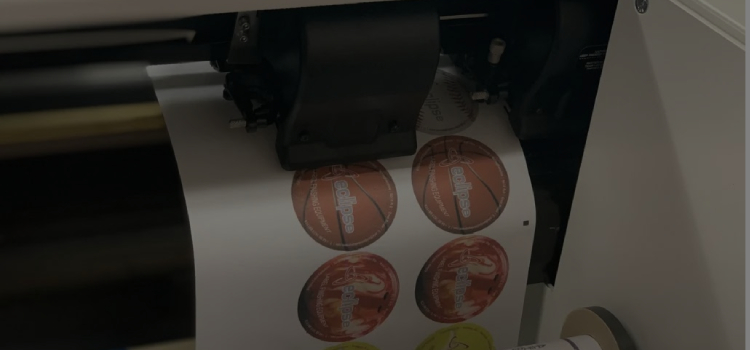
Die Cutting’s Impact on Matrix Removal and Rewinding

The die-cutting process extends beyond simply making cuts in the label material. Subsequent operations, including matrix removal—stripping waste material from finished labels—and rewinding the completed label roll, are directly influenced by the quality and parameters set during die cutting.

Matrix Removal: Challenges and Efficiency

Matrix removal difficulty is closely tied to blade height and cutting depth. When blades cut deeply into the liner, a pronounced score is left, which can make peeling the label easier. However, this can also lead to liner tearing during matrix stripping at high speeds. Balancing ease of label peeling with maintaining matrix integrity requires careful optimization, considering the specific application and production speed requirements.

Matrix removal efficiency depends on producing clean and complete cuts. If the die blade lacks sharpness or the cutting pressure is too low, labels may not separate cleanly from the matrix, resulting in tearing during stripping. Such issues generate waste and slow down production as operators must clear jams.

The shape of the label affects matrix removal as well. Small interior cuts, sharp corners, tight radius corners, and thin connecting strips in the matrix are more susceptible to tearing during stripping if die cutting is not precise. Dies should be designed with matrix removal in mind, sometimes incorporating relief cuts or modified geometries to reinforce the matrix in its most vulnerable areas.

Stripping Tension and Liner Integrity

Stripping tension needs to be carefully managed. If tension is too low, the matrix can bunch or fold, leading to unreliable stripping and potential web breaks. If tension is too high, labels may be pulled partially free from the liner if the kiss cutting depth is shallow, resulting in defects in the finished product.

Liner integrity after kiss cutting has a significant impact on rewinding quality and downstream performance. Liners deeply scored by excessive die penetration are more likely to break during rewinding, especially at the edges where tension is concentrated. This can cause production stops and waste. Even if the liners withstand rewinding, too much die-strike damage may result in failures when the label roll is unwound in applicators.

Edge Quality and Rewinding

Edge quality from die cutting influences how well labels are rewound. Rough or stringy edges can catch on to adjacent wraps as the roll builds, leading to telescoping (uneven roll sides) or starring (radial compression lines visible on the roll face). These defects compromise roll quality and may cause applicator problems when the labels are used.

Rewind tension control must consider the residual stresses introduced during die cutting. Materials stressed during cutting may display different tension characteristics compared to uncut material. Tension compensation is needed as the roll builds to maintain uniform roll density and prevent defects.

Diverse Types of Dies for Specialized Applications

Beyond the use of standard flexible and solid rotary dies, the label industry employs an array of specialized die types to meet the specific requirements of various applications and materials. These alternatives allow converters to address unique production challenges and enhance efficiency in niche scenarios.

Adjustable Dies

Adjustable dies are designed with removable blades, which can be replaced when worn or when different materials need to be processed. While less frequently used in narrow-web label converting, adjustable dies offer valuable flexibility for converters working with a wide variety of substrates, eliminating the need to keep extensive inventories of dies for each material type.

Combination Dies

Combination dies integrate multiple cutting functions into a single tool. For example, a combination die might feature both cutting and creasing blades, enabling the production of folding cartons or multi-panel labels in one pass. Perforation blades may also be included to create tear-off sections or features for easy opening. By consolidating several processes into a single die station, combination dies reduce the number of stations required, shorten setup times, and can improve registration accuracy by completing multiple operations in one controlled step.

Embossing and Debossing Dies

Embossing and debossing dies produce three-dimensional effects in label materials, enhancing visual appeal or providing tactile security features. These dies function through matched male and female patterns and require precise pressure control to ensure consistent depth without damaging the substrate. For embossing applications, magnetic cylinders with enhanced holding force are used to maintain die alignment under the substantial pressures involved.

Hot Stamping Dies

Hot stamping dies are used to transfer metallic or pigmented foils onto labels using heat and pressure. Although they are not cutting tools themselves, hot stamping cylinders are often integrated with die cutting stations for inline processing. These cylinders must manage both accurate temperature control and the mechanical requirements of maintaining the die or foil pattern in precise registration.

Perforation Dies

Perforation dies are engineered to create lines of weakness in materials, facilitating controlled tearing. The blades are precisely spaced, with cutting edges separated by gaps to produce an alternating cut-and-uncut pattern. The ratio of cut to tie length determines the ease of tearing and must be carefully designed for each application and material.

Micro-Perforation Dies

Micro-perforation dies refine the perforation process to produce nearly invisible perforations that still allow clean tearing. These dies are suited for security applications, pharmaceutical labels, and other situations where the perforation must remain hidden until use.

Normal vs. Laser-Hardened Dies

Choosing between standard dies and laser-hardened alternatives is a critical decision for label converters, balancing economic and performance factors.

Standard Dies

Standard dies are made from tool steel, CNC-machined to precise specifications, and heat-treated using conventional methods to achieve hardness levels between 52 and 58 HRC. These dies are reliable and cost-effective for many applications, making them ideal for short runs, prototyping, or processing less abrasive substrates. However, their limitations become apparent during high-volume runs or when converting abrasive materials such as thermal papers, thermal transfer stocks, or certain films. The cutting edge of standard dies gradually wears down and becomes rounded, which requires increased cutting pressure or slower line speeds. Eventually, dies must be re-sharpened or replaced, impacting productivity and increasing costs.

Laser-Hardened Dies

Laser-hardened dies employ focused laser energy to selectively harden the cutting edge, achieving hardness levels of 65-68 HRC, and up to 80 HRC for specialized chrome-coated versions. The laser hardening process creates a shallow, hardened zone at the cutting-edge tip while retaining normal hardness in the rest of the die for flexibility. This selective hardening significantly extends die life, sometimes by two or three times compared to conventional dies, reducing tooling costs per thousand labels produced. The harder edge stays sharper longer, ensuring consistent cutting quality and less frequent die changes or press adjustments. The hardened surface also reduces friction and adhesive buildup, preserving cutting quality and cleanliness. For converting abrasive thermal materials, laser-hardened dies may be the only practical option for achieving satisfactory production runs without constant maintenance.

Economically, laser-hardened dies are favored for high-volume applications. Although their initial cost may be significantly higher, their extended life and reduced downtime offer a compelling return on investment when producing millions of labels. Standard dies remain a better choice for short runs or frequently changing designs, given their lower upfront cost.

Alternative Die Cutting Technologies

While rotary die cutting is the mainstay of label production, alternative technologies are increasingly important for specialized applications and are gaining market share.

Semi-Rotary Die Cutting

Semi-rotary die cutting blends elements of flatbed and rotary systems. The web advances intermittently, while the die rotates. This hybrid mechanism enables fast changeovers and digital registration, making it ideal for digital-flexo hybrid presses where variable data printing is combined with die cutting. Although slower than full rotary systems, semi-rotary die cutting offers flexibility valuable for short runs and custom labels.

Laser Cutting: The Future of Label Die Cutting?

Laser cutting technology has advanced greatly, now serving as a viable alternative to conventional die cutting for many uses. It utilizes a focused laser beam to cut or perforate materials through controlled ablation and vaporization.

CO2 Lasers

CO2 lasers, operating at a 10.6-micron wavelength, are most used for labels, effectively cutting organic materials like paper, PET films, and polypropylene. Fiber lasers, working in the near-infrared spectrum, are gaining popularity for metallized materials and multi-layer constructions.

Laser cutting provides several advantages. Without the need for physical dies, setup times are reduced dramatically, and new patterns can be loaded within seconds. This makes laser cutting ideal for very short runs or custom labels where die costs would otherwise be prohibitive. Digital files allow for rapid design, iterations and customization, supporting personalized packaging and limited-edition products. Laser cutting delivers exceptional precision, enabling features as small as 0.1 mm and positional accuracy measured in microns. Complex shapes, small text, micro perforations, and other demanding features can be executed digitally with consistent quality.

However, laser cutting has limitations that prevent it from taking over high-volume label production. Speed is the primary constraint; even the fastest laser cutters lag behind rotary die cutting in throughput. Complex shapes further slow the process, making laser cutting less attractive for intricate designs despite its precision. Material compatibility also poses challenges. Some materials may release toxic fumes or reflect laser energy, making them difficult to cut. The heat-affected zone around laser cuts can cause discoloration or melting, impacting aesthetics or peel characteristics.

Operating costs for laser systems include high electrical consumption, regular replacement of laser components, and advanced exhaust systems to manage fumes and vaporized material. These costs must be considered when comparing economics to conventional die cutting. Despite these challenges, laser cutting is well-suited for security labels, pharmaceutical serialization, prototyping, and ultra-short runs. Hybrid systems that combine digital printing and laser cutting are expanding options for brand owners seeking customization.

Plotter-Type Die Cutting: Speed and Capabilities

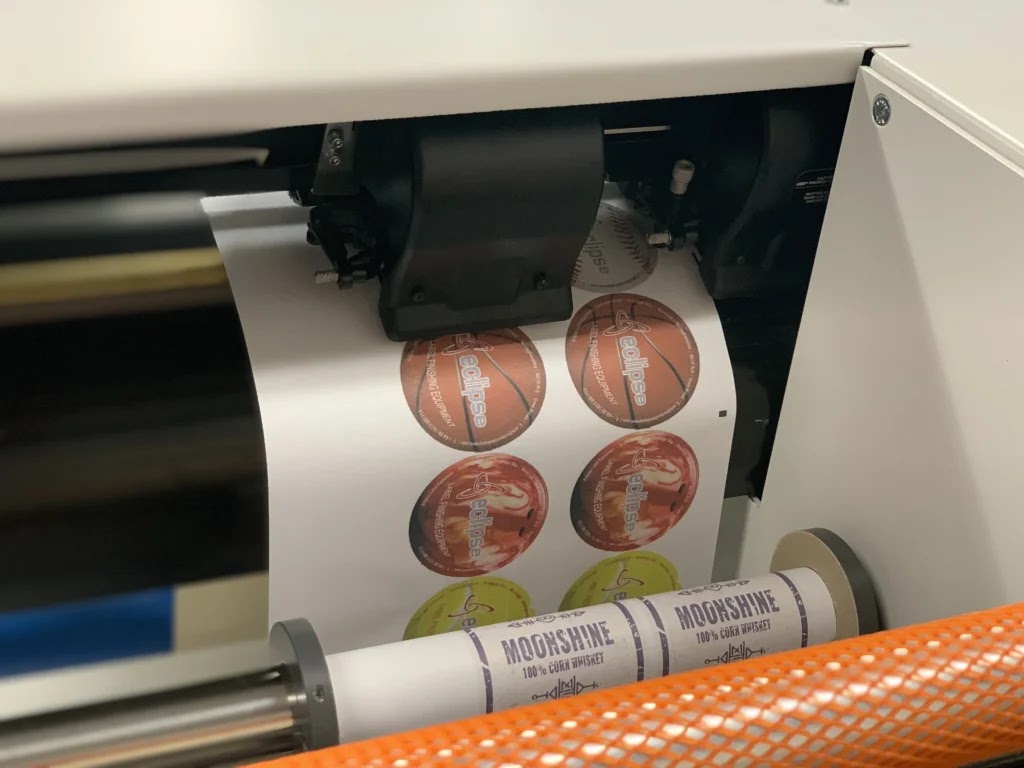
Digital plotter cutting systems use a computer-controlled knife or blade, guided by digital patterns. The cutting head moves along X and Y axes, with blade depth controlling penetration, enabling kiss cutting, through cutting, or creasing. Modern plotter systems can achieve speeds up to 60-80 meters per minute for simple shapes, though complex cutting paths reduce throughput. Their advantage lies in flexibility—job changeovers require only loading a new digital file rather than changing physical tooling.

Plotter systems excel in prototyping and short-run production. Design firms and brand owners can quickly produce physical label samples from digital artwork, accelerating product development. Custom labels in small quantities are economical without traditional die setup costs. Registration capabilities have advanced through camera-based systems that read registration marks, automatically compensating for printing variations and keeping cuts aligned. Some systems can even adjust for material distortion or skew, ensuring precise cutting.

Plotter cutting is compatible with many materials, though extremely stretchy materials may deform rather than cut cleanly, and abrasive materials can accelerate blade wear, requiring frequent replacement and increasing costs. Plotter systems are economically superior for runs below 5,000-10,000 labels, where die costs are the largest expense. As volume rises, slower speeds and higher per-unit costs make rotary die cutting more practical. The crossover point depends on label complexity, material, and die life expectations.

Hybrid workflows that combine digital printing and plotter cutting are enabling new business models, such as print-on-demand label services with no minimum orders or tooling charges. Variable data capabilities allow each label to be unique, supporting serialization, personalization, and limited-edition launches.

Written by Harveer Sahni, Chairman Weldon Celloplast Limited, New Delhi, April 2026

The pressure-sensitive adhesive labels industry owes its existence to a struggling clerk working in a loft above a flower shop in downtown Los Angeles. In 1935, Ray Stanton Avery, who went by name Stan, was living in near poverty, residing in a rented chicken coop while working at the Midnight Mission to pay his way through college. What he created with a $100 loan from his fiancée Dorothy Durfee would transform how products are labeled worldwide and launch an industry that today generates billions in revenue.

The Genesis: Stan Avery’s Revolutionary Label

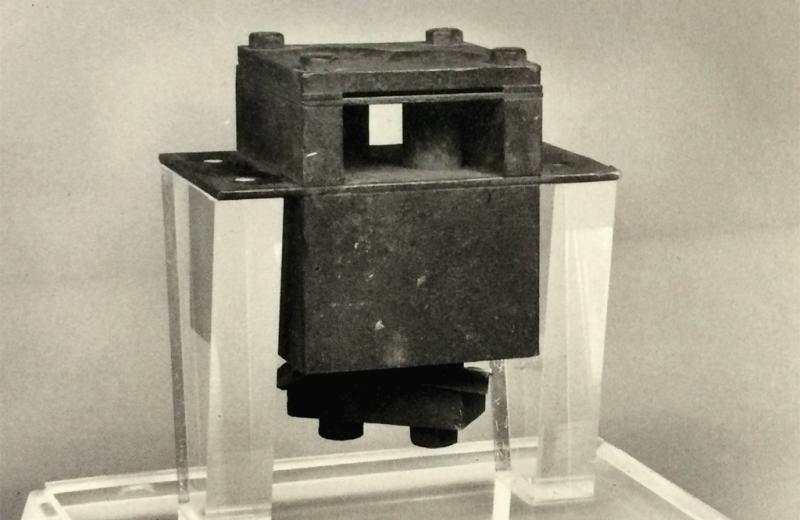
Stan Avery didn’t just invent the self-adhesive label, he invented the entire machinery to produce it. Using parts from a washing machine motor, a sewing machine, and a saber saw, he created and patented the world’s first self-adhesive, die-cut labeling machine. His company, initially named Kum Kleen Products, advertised the ability of these labels to be removed without leaving a mark on merchandise. The first Avery labels were simple, round price stickers meant for gift shops and retailers. In his first six months of operation, sales totaled a modest $1,391. Few could have imagined that this humble beginning would evolve into Avery Dennison, a Fortune 500 corporation with global operations across more than 50 countries and 36,000 employees worldwide.

The innovation Stan Avery brought to market solved a fundamental retail problem. Before pressure-sensitive labels, merchants relied on gummed labels that required moistening with water or paste, a time-consuming and messy process. Avery’s self-adhesive labels eliminated this inconvenience entirely, creating a faster and more practical labeling solution. His vision extended beyond the label itself to include the machinery for precise die-cutting, which would become the foundation of label converting technology.

By 1940, Avery had moved beyond his humble beginnings and officially started selling his products under the brand name Kum Kleen Price Stickers. The company incorporated in 1946 as Avery Adhesive Label Corporation, and in 1990 merged with Dennison Manufacturing to form Avery Dennison. Throughout his career, Stan Avery received 18 patents for his innovations in pressure-sensitive materials and production technologies. His legacy lives on, not just in the company that bears his name, but in every self-adhesive label produced today.

The Evolution of Die Cutting Technology

Die-cutting itself predates Stan Avery’s innovation by nearly a century. The process was invented in the mid-1800s to help the shoemaking industry. Cutting leather soles for shoes by hand was laborious, time-consuming, and expensive. The invention of the die-cutting machine revolutionized cobbler work, allowing shoes to be cut to consistent sizes and shapes rather than crafted individually. This standardization enabled modern shoe sizing as we know it today.

Flatbed Die Cutting: The Foundation

The earliest die-cutting machines used in the label industry were also flatbed presses. These hydraulically operated machines use a steel rule die to “click cut” or punch out die-cut parts by driving the die in a downward motion through the material. The flatbed die-cutting press operates much like a stamp, pressing a flat die onto material that sits on a stationary surface, applying even pressure to cut the material into the desired shape with each strike.

Flatbed dies are used with hydraulic or mechanical presses and other lifting systems to press a die down on a sheet of material. They are particularly suited for heavier materials and thicker substrates, making them less ideal for pressure-sensitive labels but excellent for applications requiring precision cutting of rigid materials. Steel-rule die cutting uses a formed strip of hardened steel set into a slotted plywood die-board, with rubber ejectors aiding part release after the cut.

While flatbed die cutting adapted for labels, offers excellent control over each cut and is ideal for intricate shapes with close tolerances, it operates at a considerably slower pace compared to rotary systems. Typical speeds range from 1,000 to 5,000 cycles per hour, making it suitable for small or mid-sized batches but impractical for high-volume label production. The tooling costs for flatbed dies are significantly lower than rotary alternatives, and the ability to make quick die changes makes them valuable for short-run or prototype jobs.

The Rotary Revolution in Label Converting

The transition from flatbed to rotary die cutting marked a transformative moment in label converting. Rotary die cutting uses a solid cylindrical die that rotates continuously in sync with the web material, paired with an anvil cylinder. The press feeds thin, flexible material, known as web, between these two cylinders. The cutting-edge pinches material against the anvil cylinder, producing clean cuts, perforations, or creases at exceptionally high speeds.

This method revolutionized label production by dramatically increasing throughput. Modern rotary die-cutting systems can reach 10,000 cycles per hour or more, with the fastest machines achieving speeds of 300 meters per minute. The ability to perform inline with printing and other finishing operations means that labels can be printed, die-cut, matrix stripped, and rewound in a single pass, transforming manufacturing efficiency.

A series of gears or servo motors now, force the die to rotate at the same speed as the rest of the press, ensuring that cuts line up precisely with the printing on the material. Rotary presses can incorporate multiple stations that die-cut specific shapes, perform perforations, create creases, or even cut the sheet or web into smaller sections. Some machines use automatic eye registration to ensure cuts and printing align with tolerances measured in fractions of a millimeter, critical for complex label designs and high-quality output.

The economics of rotary die cutting favor high-volume production. While the initial tooling costs are higher than flatbed alternatives, the operational efficiency brings labor expenses down over time. For standardized, repeat orders running into millions of labels, rotary systems offer compelling long-term value and unmatched productivity.

The Magnetic Cylinder Revolution

While the exact inventor and date of the magnetic cylinder for flexible dies are not definitively documented in available industry records, this innovation transformed the economics and flexibility of rotary die cutting. The magnetic cylinder system addressed a fundamental challenge: solid engraved rotary dies were expensive to manufacture, store, and transport, making them cost-prohibitive for short to medium production runs.

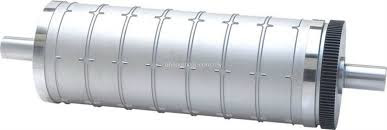
Magnetic cylinders are precision-engineered metal cylinders embedded with powerful magnets, either ceramic or neodymium rare earth magnets, on their surface. They are designed to hold flexible dies—thin, etched steel dies—firmly in place during rotary die cutting. The magnets ensure that every square inch of the flexible die remains securely pressed against the precision-ground cylinder surface, preventing any lifting or shifting during high-speed operation.

In 2005, Bunting Magnetics launched the X-treme Magnetic Die-Cutting Cylinder, the first magnetic die-cutting cylinder in the world with total run-out accuracy below 40 millionths of an inch (1 micron). This level of precision was revolutionary, enabling clean cuts even on extremely thin materials like 1-mil stock with less than 1-mil liners, on “no-look” labels, and on synthetic materials that previously posed challenges.

The advantages of magnetic cylinders transformed the label industry. Mounting and removing flexible dies takes just minutes, dramatically reducing downtime during job changeovers, particularly valuable in short-run label printing or multi-SKU packaging environments. The cylinders weigh significantly less than solid rotary dies, reducing operator fatigue, machine wear, and transportation costs. Most importantly, they enabled the use of flexible dies, which cost a fraction of solid engraved cylinders and could be stored flat, saving valuable warehouse space.

Today, magnetic cylinders are available for virtually all types of label presses and converting machinery, from brands like Mark Andy, Gallus, Nilpeter, Omet, Rotoflex, etc. Custom designs accommodate a variety of special applications, making magnetic cylinder systems remarkably versatile.

Flexible Dies: Engineering and Innovation

The development of flexible dies went hand in hand with magnetic cylinder technology. Flexible dies are thin sheets of steel, typically ranging from 0.5mm to 1.5mm in thickness, that wrap around magnetic cylinders and are used for rotary and semi-rotary presses. These dies are produced from specially formulated steel and undergo several sophisticated manufacturing processes.

Manufacturing Process

Production of flexible dies begins with plotting an image directly on the die material. Background material is then removed through chemical etching, and CNC mills create the required cutting or creasing lines with extraordinary precision. The cutting geometry includes profile heights ranging from 0.3mm to 1.5mm and cutting angles that vary based on the material being cut, typically from 30° to 110°.

The manufacturing process includes several optional treatments. Back grinding ensures consistent die thickness. Chemical de-burring smooths edges to prevent damage to the label stock. Most critically, laser hardening and various surface coatings dramatically extend die life and performance.

Die Materials and Surface Treatments

Standard flexible dies are CNC-sharpened and feature smooth polished cutting edges obtained using ultra-fine edge polishing techniques. These universal dies are suitable for all types of self-adhesive and single-material products including paper, PP, PE, PVC, PET, Tyvek, thin films on PET liner material, and other materials that are difficult to cut.

Laser hardening represented a breakthrough in die technology. Companies like Kocher + Beck were the first manufacturers in the world to achieve hardness levels of 65 to 68 HRC through laser hardening technology. This process extends die service life by two to three times longer than conventional dies. The laser hardening increases hardness at the tip of the cutting edge based on the carbon content in the steel, creating exceptional wear resistance while maintaining die flexibility.

For extremely demanding applications, chrome-coated dies offer even greater durability. A thin layer of chromium, typically 0.01mm thick with a hardness of 70-80 HRC, enables extremely high running performance with outstanding wear properties. These dies are particularly suited for abrasive thermal and thermal transfer papers used in longer production runs.

Non-stick coatings represent another important innovation. Special onyx or polymer coatings have no detrimental effect on the cutting-edge angle or sharpness while preventing adhesive and ink deposits on the cutting blades. These coatings are food-safe, FDA-approved, and significantly reduce downtime for die cleaning. The reduced friction and perfect resistance to wear enable maximum running performance with a consistently sharp cutting edge.

To be continued to part-2

Written by Harveer Sahni, Chairman Weldon Celloplast Limited, New Delhi, January 2026

The late Umendra Kumar Gupta (hereinafter referred to as UKG), a veteran in the anticounterfeiting industry, founder and former President of the Authentication Solution Providers Association (ASPA) and CMD of Holostik India, was born in 1954 into a family of freedom fighters and farmers from Dhampur in the Bijnor district of Uttar Pradesh. His father, a farmer who emphasized ethics and hard work, taught his children to live honestly, respect family values, and support one another. UKG’s parents established a foundation based on resilience and moral courage, which continues to influence their descendants. Coming from a close-knit bonded family of four brothers and two sisters, UKG after finishing his schooling at Dhampur pursued BBA and MBA from Banaras Hindu University. All brothers ventured into diverse businesses.

UKG, a man with entrepreneurial spirit, did not wait for the ‘right time’, he believed in creating opportunities rather than waiting for them. The urge to build something of his own was evident from the very beginning. Right after completing his education, he chose to start his own venture instead of taking up a job. In the mid-1960s, polyethylene entered India, and its plastic products gained popularity. UKG founded his first venture in 1978 to produce polyethylene bags that had become fancy at that time. He later pursued various projects including Sulfur crushing, water tanks under the POLYWELL brand, and warehousing through his company United Warehousing. His group of companies then were known as Ukay Group. The pivotal moment was in 1991 when he established Holostik India, one of the earliest hologram manufacturing companies in India, renaming his group of companies as Holostik Group in 2008, marking the beginning of his legacy. Holostik under UKG’s leadership, quickly grew to become the largest producer of holograms in the world. As the market evolved, they expanded to become a comprehensive anti-counterfeiting solutions provider. A remarkably self-driven individual, UKG believed in learning from every experience and from every person he met. Life itself was his biggest teacher.

UKG was an ambitious hardworking entrepreneur and indulged in products ahead of time. He continued to expand into new industries with passion and foresight. In 2008, he launched United Multichem, a venture into aroma chemicals and essential oils. In 2015, extending his global outreach for holographic products, Holoprint was established in Dubai getting a foothold in the Middle East and gradually expanding globally. In 2020, Holostik group invested in sustainability by launching NaturTrust—a brand focused on biodegradable products. Around the same time, CAMVEDA was launched to produce pure Camphor products under United Multichem. In 2005, Holostik began diversifying into holographic packaging foils and pouches, this marked their entry into secure packaging. They also introduced shrink sleeves, security labels in 2015 and mono-cartons in 2018  as a part of packaging. This evolution was a natural extension of their core mission to protect brands, ensure product authenticity, and offer end-to-end solutions that combine innovation, trust, and performance.

Though UKG’s first customer was Kores India Ltd., yet the turning point came in 1995 when T. N. Seshan, the then Chief Election Commissioner of India, approved use of holograms on Election ID cards. That endorsement not only validated the technology but also opened the doors for widespread adoption across government and private sector, initiating Holostik’s journey in secure packaging and authentication. Another milestone came in 1999, they convinced the excise department to implement holographic labels on liquor bottles as a measure to prevent counterfeiting and revenue leakage. With a strong holography background, entering the label business was new for Holostik. Security labels weren’t just another product added in their range, these provide anti-counterfeiting measures and authenticity while regular product labels are meant for aesthetics or branding. Shifting focuses on continuous innovation and extending security features to product labels, they also became a part of their offerings.

All businesses in their path from inception to growth come across hardships and difficult times, The fittest take them in their stride and move on. UKG too faced many hardships and one of the toughest ones was during his water tank business, his entire factory was engulfed in a massive fire. It was something he built from scratch, and he was in extreme emotional distress. A determined and resilient UKG built it all back as Holostik, single handedly and moved ahead in life to grow his business. None of his siblings were involved in the same business. Each of them chose different paths and built careers in diverse sectors. He respected and encouraged that individuality. Holostik was his own vision, nurtured independently, he worked hard and kept taking it higher with innovation and creativity.

UKG married, Vandana Gupta, in 1980, she is a well-educated person having completed her B.Sc., M.Sc., and B.Ed. . UKG and Vandana have two sons Ankit and Shobhit. She remains a pillar of strength for her family. Vandana chose to be a home maker, but her influence on the upbringing of her sons has been immense. While she was taking care of the household, her husband was scaling up his business setting new benchmarks. In 2010, Holostik was recognized among the top 500 fastest-growing Indian companies by Inc. magazine, and in 2013, they were named amongst the ‘Most Innovative 100 Companies’ by the same publication. In 2017 they were recognised as a leading SME in IT and IT-enabled services company. In 2019 their R&D labs were accredited by DSIR, receiving the prestigious CII Industrial Innovation Award. He was one of the founding members of Authentication Solution Providers Association (ASPA) and guided it to build brand protection ecosystem in India. He was the recipient of the coveted Economic Times Lifetime Achievement Award in 2020.

Each of these recognitions reflect UKG’s relentless pursuit of innovation and quality, a legacy that his inheritors would continue to carry forward. He was a legend in the holographic and authentication industry, sadly on the 1st of June 2021, the legend Umendra Kumar Gupta aged 67 years, passed away!

The Gen-Next

Carrying forward the legacy of their illustrious father U K Gupta are his two sons Ankit and Shobhit as Joint Managing Directors. Both brothers complementing each other are jointly leading the Holostik Group, which spans across multiple business verticals including print and packaging, chemicals, and real estate—with operations both in India and the Middle East. Shobhit specifically heads the chemical division, oversees their Dubai operations besides managing key segments of the packaging business. Their father was the guiding force behind Holostik. His presence commanded immense respect, both within the organization and across the industry. For both, stepping into their father’s shoes honoring his legacy, upholding the values he built the company on, and carrying forward the trust he had earned over decades was not an easy task. That transition eventually came to the duo with a lot of emotional responsibility with renewed motivation to take Holostik to even greater heights.

1981 born Ankit Gupta did his initial schooling at Modern School, New Delhi and followed it by Computer Engineering from Bangalore. Later he took a job in the Aditya Birla Group in Mumbai, where he worked for two years gaining valuable exposure to corporate operations, exposure to different functions, the scale at which things operated. He then pursued and completed his MBA at UCLA Anderson Los Angeles USA and IIM Ahmedabad (exchange transfer program) thereby earning alumni status at both institutions. Post-MBA, in 2007, he had a consulting job offer in Boston with a $100,000 annual package but the entrepreneurial ambition prevailed, and he decided to return to India and start his maiden venture in hospitality, setting up a restaurant named ‘Mocha in Delhi which he ran successfully for four years. Finding real estate an exciting business, he quit the restaurant business and began developing real estate projects in Gurgaon and later started a chemical trading business focused on flavors and fragrances, which continues within the Holostik group. In 2015, Ankit enrolled in the Owner/President Management (OPM) program at Harvard Business School. It was a transformative three-year experience spending a few months each year on the HBS campus, eventually becoming an alumnus of Harvard.

At this juncture, Ankit decided to join the family business by becoming involved in Holostik’s HR, Marketing & Communications departments. Meanwhile Holostik has evolved from being a prominent manufacturer of holograms and labels to a comprehensive authentication solutions provider. 

His brother Shobhit, holding an engineering degree from Delhi College of Engineering, completed his MBA from the Richard Ivey School of Business in Canada. He started his career at Evalueserve Gurgaon and later joined Holostik in 2007. Together the brothers remain united by the common goal of taking their father’s vision to new heights.

In 2007 Ankit got married to Neha, an engineer with an MBA, who started her professional journey with HDFC Bank. For a brief period, she was involved in business, initially supporting the Mocha hospitality project and then in 2008 she was involved in setting up the HR department at Holostik. Over time, she explored different creative avenues, serving as the editor of a few publications, and as a director at NIMAI, a niche jewellery brand. She is now focused on raising her two children, son Vivan 14 years studying in 9th and daughter Jiya 11 years studying in 7th. Once the children are on their own, Neha may plan to return to some profession. Shobhit got married in 2010 to Mansi, and they are blessed with two children, son Aryaveer and daughter Nitara. Mansi has been a part of the sales and marketing team at Bentley Motors. She is now involved in the group’s CAMVEDA business, guiding the team on marketing initiatives. Both brothers express that the unwavering support of spouses has been instrumental in helping them focus on building and growing Holostik.

Talking about his mentorship, Ankit says, “My father has been my greatest mentor, his values, clarity of thought, and resilience continue to inspire me every single day. I stepped into the labels and packaging space as a second-generation entrepreneur. With a huge legacy, one inherits both the assets and responsibilities. It is not just about enjoying the perks of what the first generation built, it is about carrying that forward elevating it.” He further adds, “My most memorable success was launching the Café Mocha brand in Delhi. It was my first independent venture after returning from UCLA, it was a creative expression of what I had learned about entrepreneurship, consumer experience, and brand building. Confident after the success with Mocha, I could take on challenges when I eventually joined in leadership role in Holostik with deep understanding to scale-up the business.

 One of the biggest challenges for any second-generation entrepreneur is earning respect, it takes time for people to stop seeing you as just the founder’s son trusting your vision and decisions. For me, that journey of achieving credibility and proving my approach took some time. For Shobhit, the challenge was different. He took on the responsibility of starting Holoprint from scratch and building it into a specialized entity to cater to international markets. Establishing a new company under the larger umbrella of Holostik, carving out its space, and scaling it to a new level was no small feat. We’ve both faced different challenges, but what’s united us is the drive to build on our father’s legacy while creating something of our own.

Ankit was conferred on the prestigious Larry Wolfen Award for Entrepreneurial Spirit at UCLA in 2006. He has made presentations and shared technical papers at more than 20 events hosted by reputed organizations like CII, PHD Chamber, IHMA, ASPA, and several other key platforms in the printing and packaging industry, engaging with diverse audiences. In 2017, he was interviewed by Radio One as a Shark for startup investments for sharing insights on entrepreneurship and what makes a venture investable.

Both Shobhit and Ankit are committed to sustainability. One of their key initiatives has been the installation of a 500 kWp solar power plant at the Greater Noida manufacturing facility, reducing carbon footprint and embracing clean energy. They have developed sustainable alternatives like paper holograms and are exploring holography on wide web paper substrates to replace polyester. The Holostik Group consists of seven diverse companies including Holostik India, United Multichem, Holoprint, NaturTrust, Utopia Digitech, CAMVEDA, ThinkNext Village, and United Services operating with a workforce of over 750. They operate from more than seven state-of-the-art manufacturing facilities spread across over 40,000 square meters. Their corporate headquarters are in Okhla, New Delhi, apart from 12 offices strategically located across the country. Holostik’s exports to more than 90 countries are a testament to their quality, innovation, and reliability.

Ankit summed it up interestingly on behalf of Shobhit and himself. The brothers are united in delivering excellence to the legacy passed on to them by their father, the legend; Umendra Kumar Gupta. He says, “Success does not come overnight—it is built through consistency, perseverance, and staying true to your values. I strongly believe in the philosophy of ‘Ek aur ek gyarah’—because when people align with a shared purpose, 1 + 1 can truly become 11. Plan well, de-risk wherever you can, and most importantly—keep going, no matter what. Or as I like to say… Lage Raho Munna Bhai!

(Lage Raho Munna Bhai! Is name of popular Indian film but it actually means; Keep working brother! Or in the author’s interpretation it means, “The show must go on!”)

Written by Harveer Sahni Chairman Weldon Celloplast Limited New Delhi May 2025

This was the first Labelexpo India after the holding company Tarsus PLC, the erstwhile owners of Labelexpos were acquired by Informa markets, a global organizer of events in various global verticals. Since the new owners decided to retain the same team of labelexpo,  the smooth transition and continuation was evident. 

It was the largest show until now. The show was held at India Expo Mart, Greater Noida with a 30% higher floorspace than the 2022 edition. The largest ever number 13724 visitors came to show from, besides India,  many countries including those in Middle East, Russia and Africa. Normally we see only label printers and non-exhibiting suppliers as visitors to the show, this time it was a welcome change to see quite a few brand owners/Print buyers as visitors studying the nuances of label manufacturing. It is felt that with the growing need for customized runs and increasing number of startups, some label buyers may be considering captive label production as well. 

Inaugurating the Labelexpo India 2024, Jade Grace Managing Director welcomed the visitors to this important event. In his welcome address, Rajesh Chadha President LMAI assured LMAI’s continued support  and delivering value to the label fraternity.  After consultations with LMAI and other stakeholders, Informa Markets have decided to hold the next edition of this important event at the same venue in 2026.

For the past two consecutive editions of Labelexpo India we have witnessed the absence of European and American flexo label presses running live at the event, though some made their presence felt through their local agents or Indian subsidiaries. However still, there were many flexo label presses displayed, and most of them were Indian made ones followed by a few from China. It is an indication of a transformation that one can expect Indian and Chinese manufacturers of flexo presses, tooling and consumables will have increasing number of exhibitors at Labelexpo Europe.

The transformation is happening by the evolution of technologies taking place in these Asian neighbours. Fewer Chinese companies came as exhibitors due to Visa restrictions, which may change with thaw in the relations between the countries. Of course, we cannot write off the western manufacturers who lead the way to evolution by creating equipment that transforms from production of only labels to produce multiple products like Flexible packaging, Lami tubes and Folding Cartons. Their focus is now moving to wider presses, which are hybrid, incorporating diverse printing and converting technologies resulting in lesser wastages, quick changeovers, increased embellishments, sustainable production and processes. The presses now being offered integrate flexo, offset, screen, gravure and digital inline in a single pass.

Digital label printing has also continued to grow in India. Most prominent companies including HP, Domino, Durst, Xeikon, Konica Minolta, Pulisi, etc. displayed their digital presses and label printers’ interest was seen in with serious intent. Indian label industry being mostly dominated in numbers by family managed middle and lower end companies find the high-end digital presses being beyond their immediate reach even though their desire to acquire digital printing capabilities was seen in substantial measure. Printers exhibited a lot of interest in entry level tabletop digital printing equipment. These digital printers though are priced lower, but their higher printing cost confuses converters. Those who understood the power of digital making its necessity felt in label manufacturing, did make purchase decisions at the show.

Given the trend of the middle level label companies looking at entry level equipment, it indicates that it is just some more time before they graduate to the bigger digital label and package printing equipment. The transformation has begun. The industry is and firmly marching towards digital label printing and converting.

On the material side while the global leaders Avery Dennison displayed their innovations and advances especially in the RFID label technologies and linerless labels. UPM too exhibited their new and sustainable product offerings. A substantial number of Indian labelstock manufacturers put their best in front rubbing shoulders with the multinational material producers. Prominent amongst them were SMI, MLJ, Capri, Stic-on, Dubble, Desmat and many others. Silicone liners specialist Loparex exhibited their diverse range of backing papers, films and linerless materials.

Sustainability seems to be catching up the attention of all in the self-adhesive label’s ecosystem. From equipment suppliers to material suppliers are now talking of sustainability endeavours and the imperative need for the 4R’s, reduce, reuse, recycle, and recover. Indeed, this is a welcome transformation. Yet, there is a lot more needed, and the onus is also on brand owners and print buyers to impress suppliers to implement sustainable manufacturing practices and to use FSC certified products and to conserve energy.

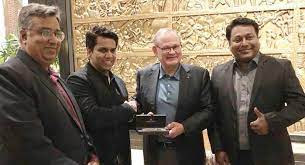
In the second half of 14th of November, the opening day of Labelexpo India 2024, the author’s book titled “Untold stories of Indian label industry” was launched at the HP stand in presence of Industry leaders and media. Prominent were Yoav Lotan, Appadurai and team from HP, Anil Sharma, Pankaj Bhardwaj and Saurabh Agarwal from Avery Dennison, Rajesh Chadha president and his leadership team of LMAI, Media presence included Labels & Labeling, Printweek, Packaging South Asia, Packman, Press Ideas along with a host of industry friends and supporters of the author. The Hp team hosted the event supported by Avery Dennison, LMAI (Label Manufacturers Association  of India and Pragati Pack. 

The book UNTOLD STORIES OF INDIAN LABEL INDUSTRY”  Author: Harveer Sahni, chronicles history of Indian labels industry from the very beginning when the first self-adhesive label was produced manually. It covers success stories, lives of leading  label printers and coverage of important label events in India. It also dwells on the most defining moments, the young czars of label industry and the women who lend glamour to the vibrant label Industry. It is the first of its kind of endeavor anywhere in the world. It is a 320-page coffee table book with rare pictures.

On the second evening of Labelexpo India the LMAI Gallus-HEIDELBERG Label Awards night was held to commemorate the finest of label printers in India. An outstanding event curated under the exacting and fine detailed planning leadership of event chairman and past president of LMAI Kuldip Goel. The virtual who is who of Indian label industry was present. The event interspaced with entertainment slots was attended by over 700 delegates from the global label industry. 

A touching part of this evening was bidding farewell to Industry stalwart Ferdinand Ruesch IV, senior vice president, global key accounts at Gallus, popularly known as Ferdi who is retiring after 40 years of dedicated service to the global printing and packaging industry. It was a nostalgic moment and will remain memorable forever. 

The evening ended with music, dance and partying, looking forward to yet another vibrant LMAI event.

 More images:

Written and compiled by Harveer Sahni Chairman Weldon Celloplast Limited New Delhi November 2024

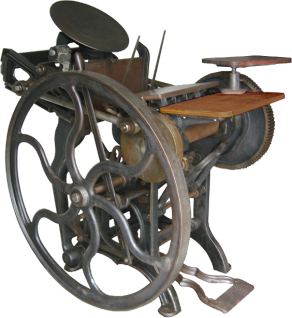
On any given day, 96-year-old S.N. Dutta, Satya Narayan Dutta, the patriarch of Dutta family of Dutta Press New Delhi, can be seen strolling on the shop floors of their printing or machine building units, interacting with workers, and imparting instructions. The man is active and an institution himself in printing. Dutta was born on 15th of August 1926, long years before the partition of India, in a family that hailed from Lahore, then a part of British ruled united India. His father was the head of accounts for Indian railways. Sometime in the 1940s as a young man, he developed an interest in printing so went to a family acquaintance, Kedar Nath Mehta, a master printer in Amritsar for a one-year training in the art of printing. They used to print on Chandler & Price platen presses and supply labels to Punjab based distilleries in Hamira and Khasa. Chandler & Price was founded in 1881 in Cleveland, Ohio and manufactured a series of hand-fed platen jobbing presses, as well as an automatic feeder for these presses.


Chandker and Price Machine
Love marriages were rare in those days before the partition of India, however S.N. Dutta during his training days at Kedar Nath Mehta’s facility, developed a liking for Mehta’s daughter and eventually married her. Post partition the Dutta’s moved to their Haveli, a traditional townhouse mansion in Darya Ganj Delhi. The Haveli was a heritage building that had earlier belonged to one Sir Syed Ahmed Khan, one of the Navratans of Mughal King Akbar. It was allotted to Duttas on migration from Lahore to Delhi after partition for a sum of Rupees 4000 only. In 1951 S.N. Dutta started his maiden startup venture “Dutta Press” with a Chandler and Price machine on the ground floor of their Haveli. He bought the printing press for Rupees 1200.00 and did not have the money to put an electric motor on it. So, initially the machine was foot operated with a peddle. As a memento and a reminder of their past, the machine still stands tall on a pedestal in the lobby of their Okhla factory. Thereafter from 1951-1965 Dutta was on the move continuously, he also set up his own typesetting and composing section, then added two more machines, following it up with buying a new Heidelberg GT Platen press for just four thousand Rupees, then in the mid 1970’s a Mercedes Super Cylinder Press from Printer’s House in Faridabad, Nibolo and some more letterpress cylinder machines. Customer base acquired during this period included those from segments like beer, whiskey and lubricants with main customer being Mohan Meakin. S N Dutta has two sons Rakesh and Abhay, as business had grown and the boys were now grown up, it was time to move to the next level of business. In 1980 they moved to a new factory in Okhla and imported their first Heidelberg KORD offset press and Heidelberg TP Foil stamping machine from Germany. Those were tough times of needing import license for all imports, yet firm resolve made them to move on.


Heidelberg Weisloch Factory
Abhay Datta the younger son of S.N. Dutta, born on 16th August 1961, is an Alumnus of St. Xaviers School Delhi. He was never a serious student but had other technical interests. Barely 16 years old and in school, he started experimenting with making music systems. On finishing school, he along with his friend Joseph George set up their maiden startup venture Systm India to make and sell music systems. Abhay proudly mentions that in a couple of years his company’s turnover was higher than that of Dutta Press. Young boys in business families are prompted to spend time in family production units and Abhay was no exception and whatever exposure he got was by way of his father mentoring him to have a penchant for perfection and zero tolerance in whatever he did. One fine day his father came to him and complained, “you make so much noise testing your music systems, speakers etc., neighbours are irritated . It is not a respectable business. He appealed to Abhay that they needed help in the printing business and that he should wind up this music equipment business and join him in the printing business. Obedient as he was with immense respect for his father, Abhay could not refuse his father’s request. Abhay’s elder brother Rakesh was better in finance and other marketing activities. In just a matter of minutes Abhay decided to hand over the music business to his friend Joseph and moved on to the printing business at Dutta Press. He was sent to Heidelberg training center in Germany for training in print technologies where he spent time in the Wiesloch factory understanding mechanics and engineering of offset presses. It was an eye-opening experience for him. In India we did not have CNC machines, no auto cad computers, all the planning was done manually on huge drafting boards. It was there in Germany that he gathered an eye for perfection, low tolerances, fine finishing, good appearance and machine safety norms. This was as his father had mentored him to be a zero-tolerance person.


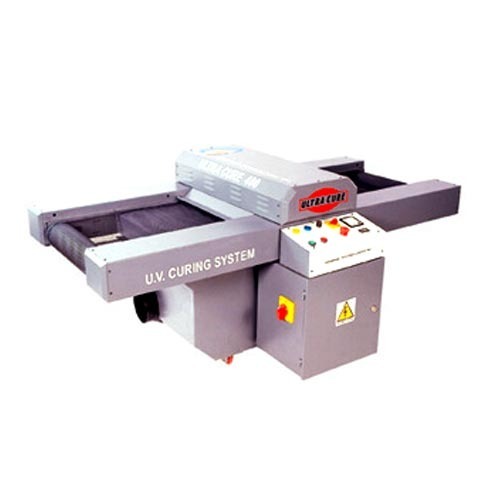
UV Coating Machine
Once back in the Okhla factory Abhay had to begin at the lowest rung of the ladder. He was required to clean up the machines, sweep the floor, take care of staff, serve them tea and support them in small errands besides operating all the machines personally. He learnt to run all the machines like an operator, make negatives/positives and offset plates and foil stamping blocks himself. Those were days when there were no PS plates, so he learnt all the chemistries hands on. Graining offset plates, putting sand, marbles etc. in graining machines, he did all that himself. He was a total worker like any laborer in the factory doing all kinds of jobs that included printing varnishing cutting packing and dispatch. The experience has rubbed on so well on him that even today on the shop floor in hot and humid conditions with perspiration trickling down his torso he enjoys remaining amongst his workforces. He is a hardcore technical and shopfloor production-oriented person while brother Rakesh manages the white-collar part of management. With Abhay’s penchant for perfection, he proudly mentions that we made quality, such that print buyers would come looking for them. Since they were supplying to breweries and distilleries, they came across a challenge; solvent base varnishes on labels scuffed and needed to be replaced with Water based varnishes, but these would not work on existing hand fed varnishing machines produced locally due to slow drying. Abhay was given a task by his father to make a machine that could coat aqueous varnishes at high speeds. He developed an automatic machine with the help of Sanjay Gupta of Ronald Machinery and added an anilox roll with a motor and hot air dryer to do the varnish. It worked and that was when his tryst with machine building commenced. Later he started manufacturing fully automated high-speed machines to do aqueous and UV coating with anilox rollers and chamber doctor blade systems.


Abhay Datta on Shop Floor


After that there was no looking back in machine developments. Abhay was young, success encouraged him to research, experiment and develop more from a shed in the driveway of their Okhla factory, it has been a long journey with lot of hurdles. He then started converting hot stamping machine for own use and sales. Since in earlier days they had bought a Heidelberg hot stamping machine, from experience gained, Abhay could convert die cutting machines and the Chandler and Price machines into hot stamping machines. When stamping foil suppliers became aware of his capabilities to make hot stamping machines, he became an accredited suppliers to many companies who indulged in hot stamping. In 1992 he successfully started making UV coaters and till 2016 they have supplied over 250 offline UV coating machines in India and Abroad.


During his 1995 visit to Drupa, he was fascinated by an Aquaflex label press printing Smirnoff Vodka labels. Unlike the sheet fed converting, the press was unwinding, printing, embellishing, laminating, die-cutting and delivering finished labels at the end of line in a single pass. Abhay was convinced that this is the future. Those days there was no WhatsApp where he could take videos and upload to inform his family about the equipment. Wanting his father and brother to also look at the machine before deciding, he made a trunk call, described the machine and requested them to come and see. Three days later both his father and brother flew into Germany, they saw and fell in love with the machine. They became friends with the founder of Aquaflex, signed the deal to buy a press and also became the sole selling agents in India. They opted for an eight colour press with rotary hot foil stamping. It was a bold decision as rotary tooling for hot foiling was very expensive, cold foil was not there that time and most of their production for liquor labels needed foiling. In their factory they already had 20 Heidelberg hot foil machines running, they used to buy used Heidelberg platen machines and convert them into hot foil stamping machines by retrofitting, all done by Abhay himself. The Aquaflex ordered by them was displayed at Labelexpo Singapore in 1996 and then shipped to India for Dutta Press to start printing labels on a narrow web press. Till the end of the millennium 1999 they were only printing wet glue labels on this machine. Pressure sensitive adhesive (PSA) labels production commenced only in the new millennium in 2000, they kept adding Aquaflex presses in regularity.


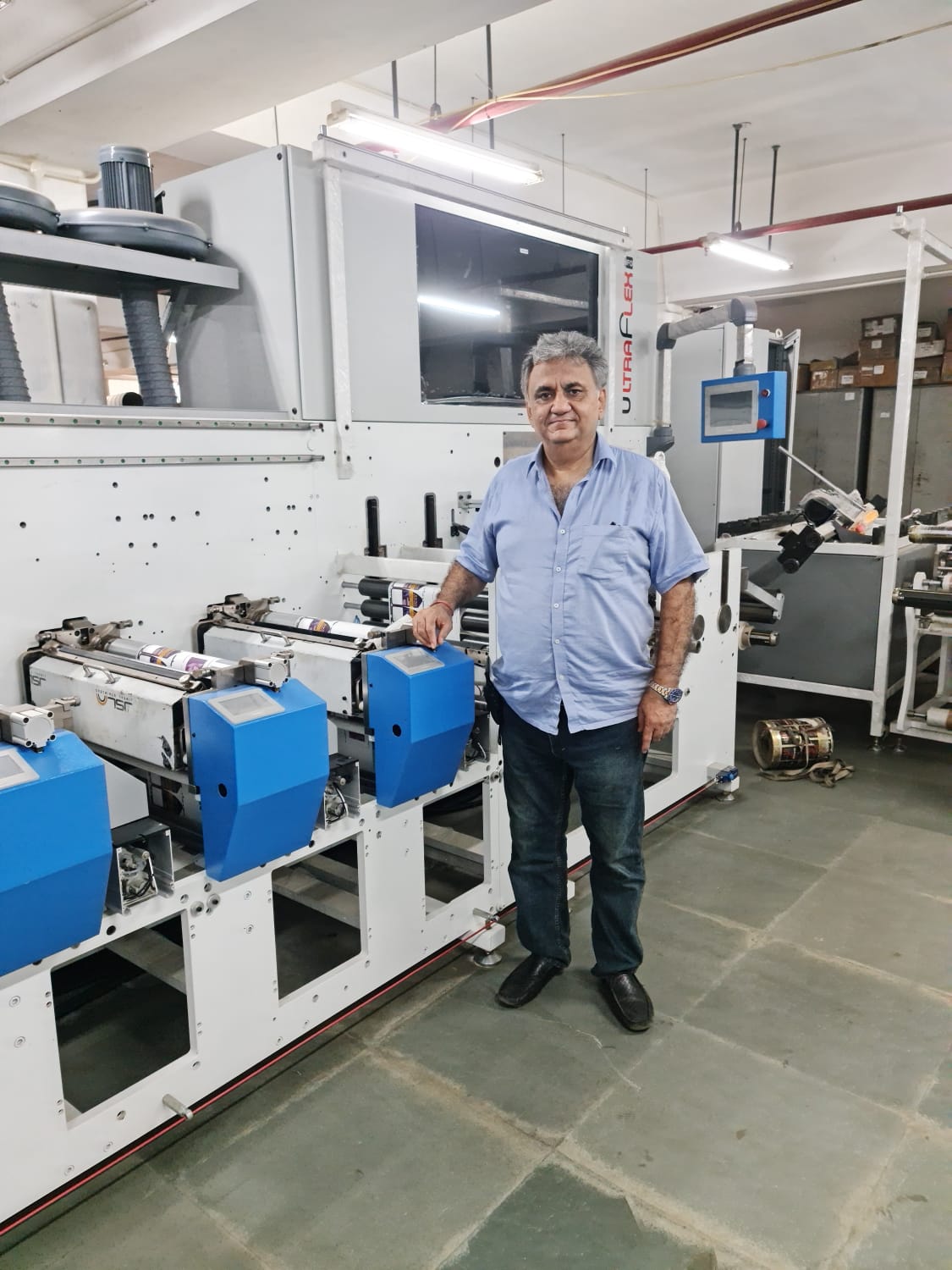
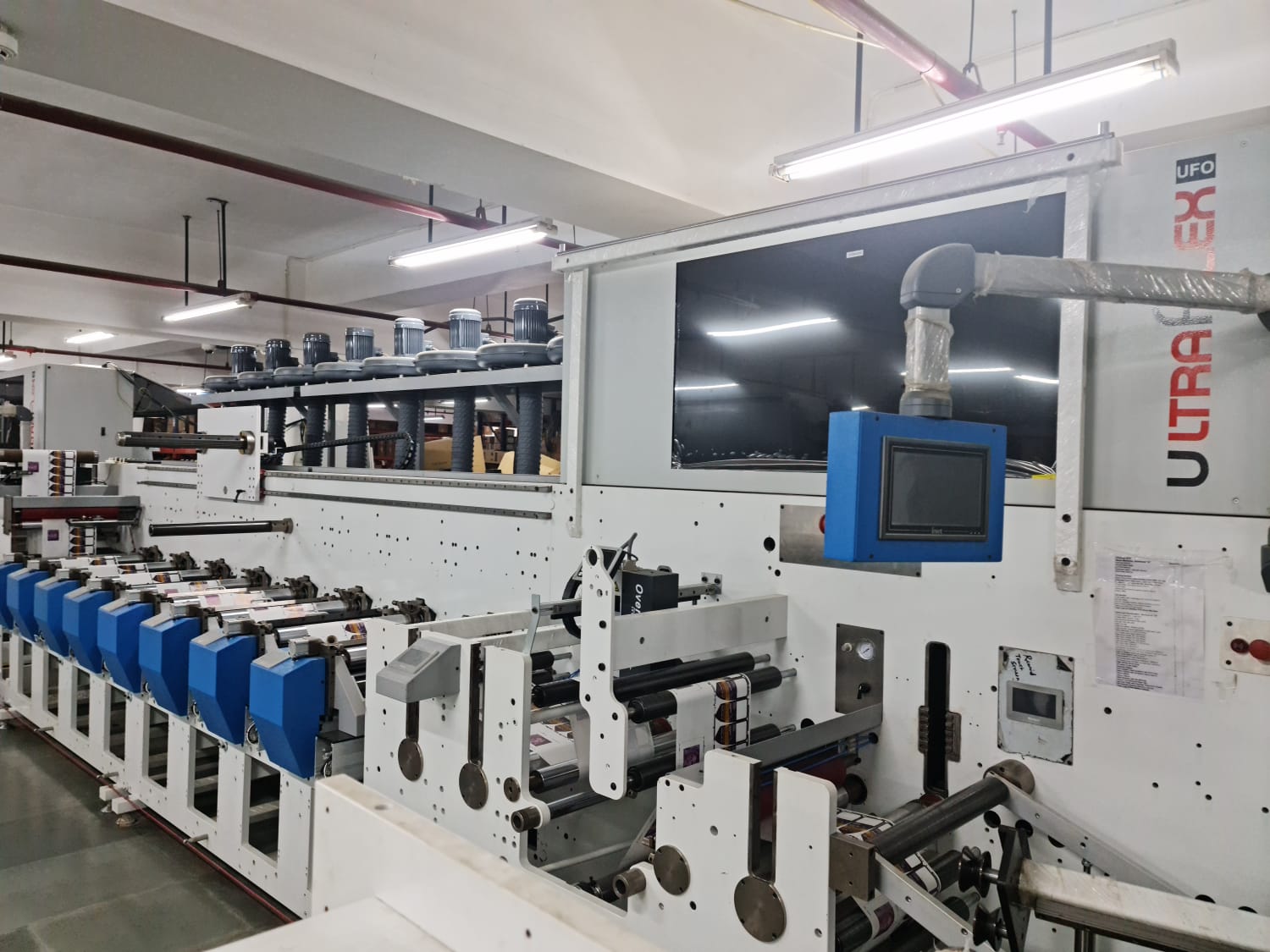
Ultraflex Label Press
Between 1996 and 2003 as agents, they sold nine machines to customers like PPL, ITC, Modi Federal, Sai Packaging and others. They added four more press at Dutta Press. In 2001 Aqua flex got sold to Chromos USA . At this time when he was under pressure to offer a press to his customers, he met a software engineer who suggested the name of Shanti Pal Ahuja of Multitec and once the two met, they instantly decided to get together to build label presses. Abhay invited Ahuja to his facility and have a look at the Aquaflex label presses and to do reverse engineering of the press. A complete unit was removed from the Aquaflex and sent to Multitec facility in Faridabad. It was completely meticulously redrawn and the first Ultraflex machine was developed and sold to Nishi Labels in Ahmedabad and the second machine was exhibited at Nehru Centre in the first “India Labels show” which later became Labelexpo India. That machine got sold on the very first day of the show to Khosro Moradi, of Farah Banfash Manufacturing Company, Iran. Few years down, having sold over a dozen presses, their partnership fell apart and Multitec renamed their press as Ecoflex and Abhay Datta retained the name Ultraflex that he would build himself one day. Until such time for their own label manufacturing they invested in Bobst label presses


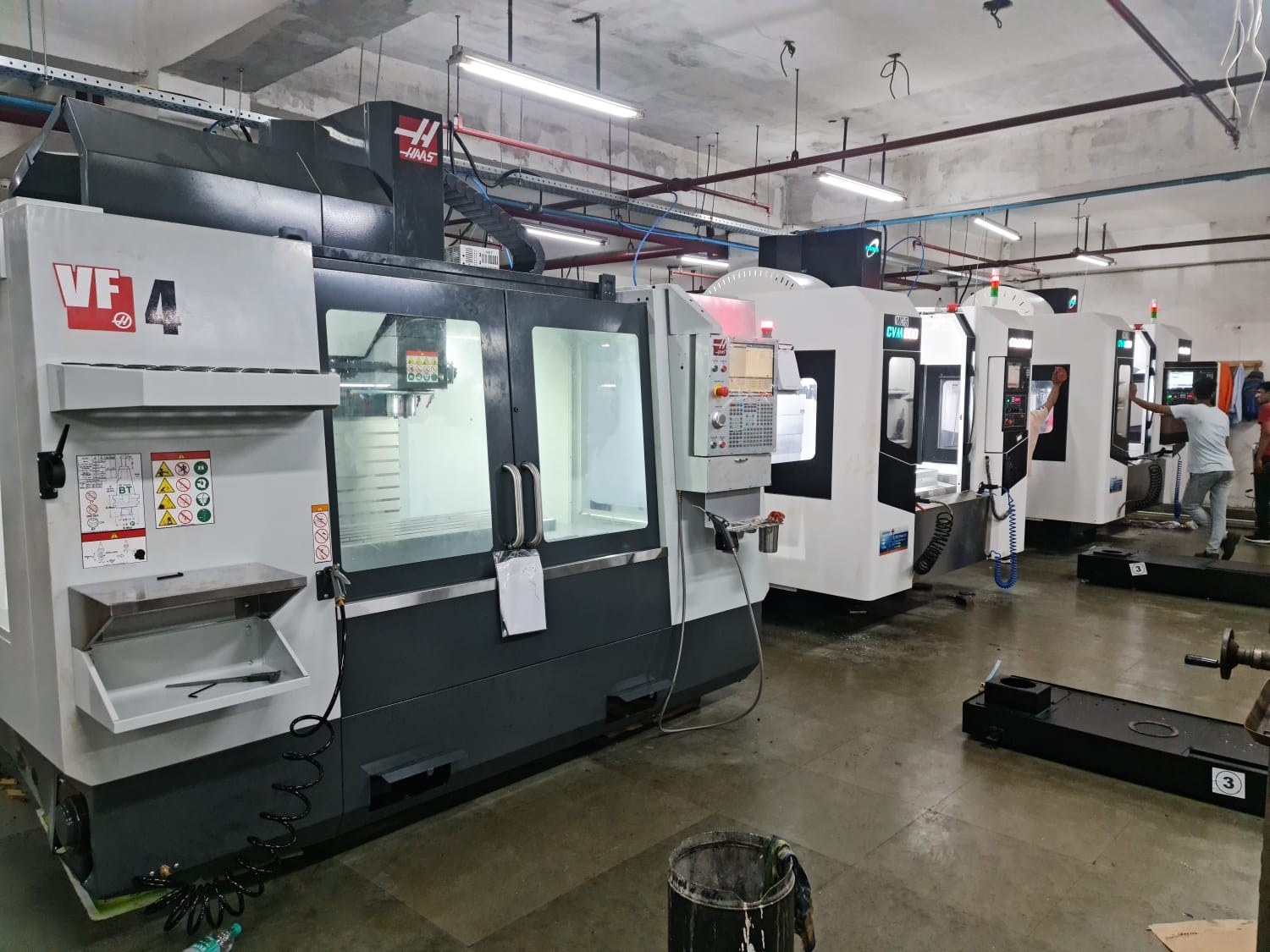
CNC Machines at UV Graphics
Passionate about making machinery himself, in 2017 after they bought their 3rd Bobst M5 press, Abhay visited Florence and was inspired to build his own flexo press. On return from Florence in September 2017, he dug deep into the Flexo Machines and studied other equipment that would enable him to build a narrow web label press. Keeping cost down and not compromising in automation he started planning a machine with zero waste and instant make ready. He launched his first Ultra flex made in his company UV Graphics. 


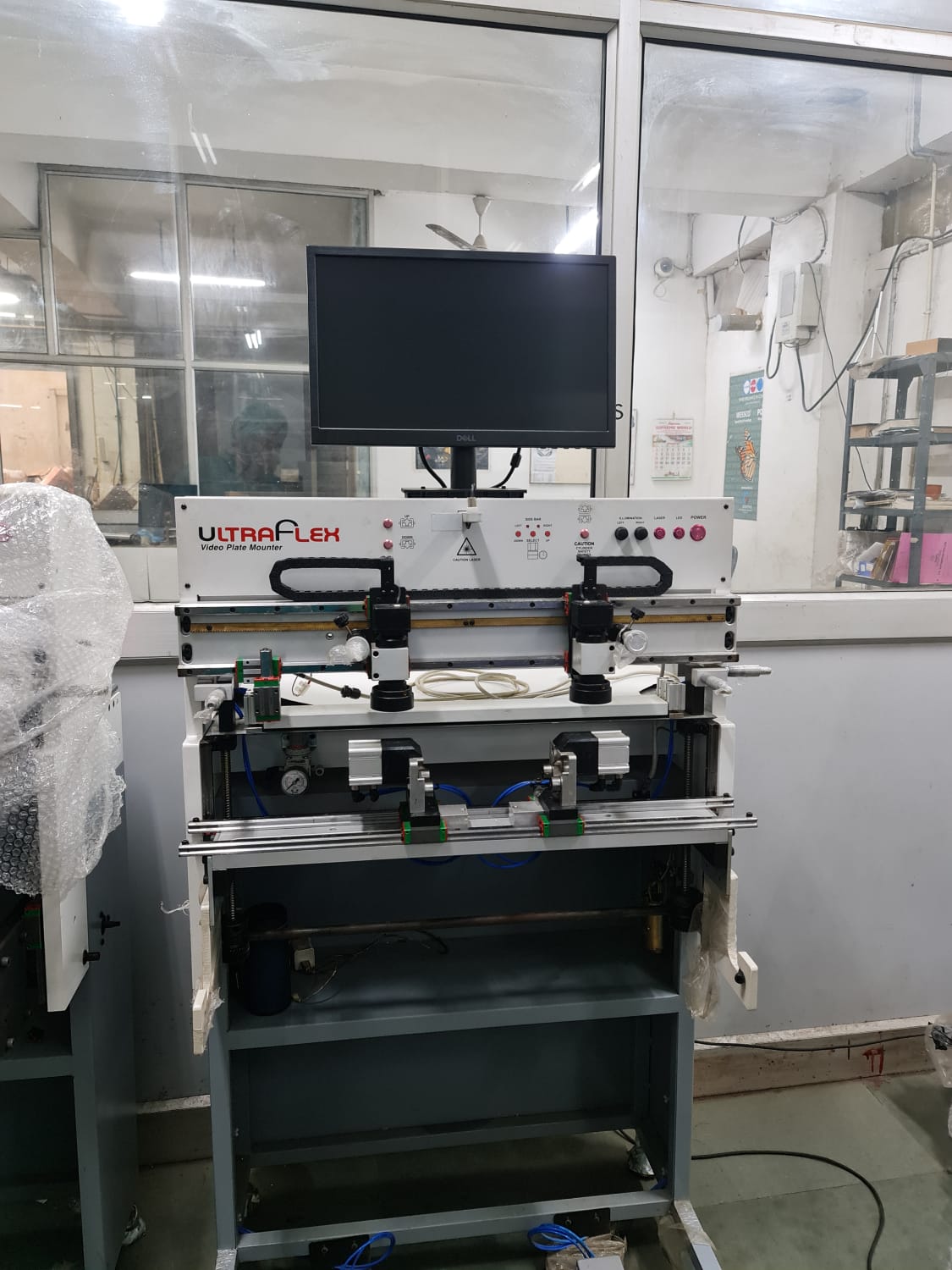
Ultraflex Plate Mounter
He insists that for a perfect and quick make ready, “a communication between the plate mounter and the machine is imperative.” Abhay also started making plate mounters. He asserts that with plates mounted on his plate mounters, the first meter of print which rolls out will be 99% in true register. This is his creativity. His machines and plate mounters are designed as perfectly complementary and compatible equipment  so as to make life easy for the machine operator. He claims that in 3-4 minutes you can perfectly mount an eight colour job on his plate mounter and have the machine running in full register within 3-5 meters. That says Abhay is our USP. Ultraflex machines offered by him are of international quality, fully servo driven with auto register control, it is value for money and affordable. Ever since, Abhay has already installed thirty-eight presses in India and abroad with the latest ten color machine being shipped to a prestigious customer in USA. This will be his first installation in North America and fifth machine being sold overseas.


Abhay has two sons Anuj and Akshay and a daughter Aallia. Both sons run the PSA labels division of Dutta Press while brother Rakesh manages the wet glue label business from Okhla. All family members are in business together as a joint family. UV Graphics and Dutta Press operate out of 66000 square feet factory in Noida and an 18000 square feet facility in Okhla with seven flexo presses in Okhla and six flexo presses in Noida. With a total of 280 employees, Abhay aspires that if God and Kismet helps UV Graphic will be a leading global supplier of diverse label equipment in 5 years. He proudly says, “we produce from nail to the hammer. In UV graphics we produce our own UV Systems, Plate mounters, Core cutting machines, Label presses, Slitter Rewinders, Semi Rotary Digital Finishing, Print Cylinders, Magnet Cylinder, Sheeting Cylinders, Hot Foiling Stamping Equipment, Screen Printing and almost everything that is needed for flexographic label printing and converting. We also make wide format Roll to Roll Hot Foil Stamping Machines for the tobacco industry.


The way Abhay Dutta is moving it will not be long before he achieves what he aspires.

Written by Harveer Sahni Chairman Weldon Celloplast Ltd. New Delhi August 2021


Marks Emballage factory at Baddi


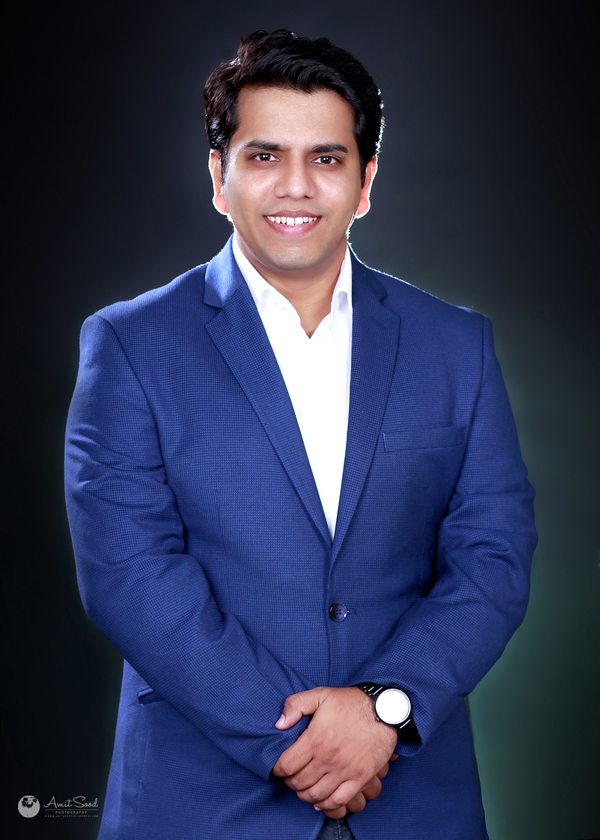
In May 2018, the Indian label fraternity was amazed to read the news of an upcoming relatively young label company Marks Emballage announcing the confirmation to buy two Gallus Labelmaster presses in one go. This one step would take this nondescript label manufacturing company into the big league. The author has been in the Indian label industry for over four decades. As far as memory recollects, there have been instances when two presses have been ordered by printers to be delivered one after the other with a gap of time, but the unique instance of two presses to be delivered and installed in just one go is a first one such occurrence so far, this is history for the Indian label industry! By rough estimates, a 4 billion Dollar labels industry (not label stock but finished labels) growing at an average of 10-15% per annum surely needs such investments regularly to meet the 400-500 million Dollar growth in demands of labels. Leading Mark Emballage, Aadtiya Kashyap, a former international banker, is the courageous one who made his foray into the Indian label industry and announced his first significant expansion investment with a bang.


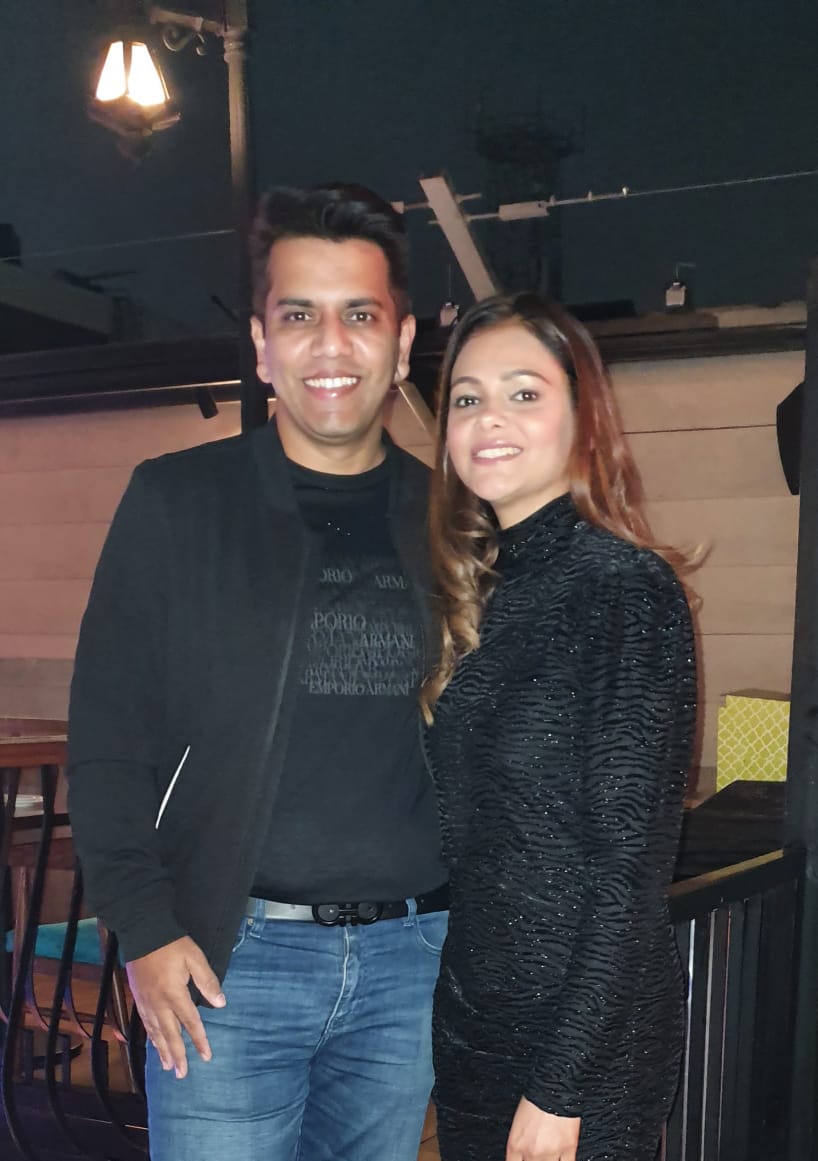
Aaditya and Khushboo

Aaditya was born and brought up in Mumbai, an Alumnus of St. Xavier’s School Mumbai (He prefers to call the city Bombay as he has called it all his life). Later he finished his graduation from the prestigious Ruia College, Mumbai, in Mathematics. He had considered a career in computers and did a couple of courses in that, but he graduated in the subject since he was good in mathematics. While in Ruia college, he fell in love with Khushboo Singh, who was pursuing BA in the same college. After a courtship lasting almost five years, they decided to tie the knot and got married in 2008. After graduation, Aaditya got his first job in the international bank J P Morgan, where he worked for the next seven years. This job was a good learning experience in how systems in business work and how different departments work. He was the only one in the organization at that time who got four promotions in seven years. Those were many learning years that added to his experience. Looking back, he is happy that he worked there, as the experience has been helping him when in business. 


Aaditya’s wife Khushboo belongs to a successful business family involved in pharmaceuticals, so it was a matter of time that his In-Laws prompted him to consider entrepreneurial options. The suggestions ranged from indulging in pharmaceutical products to items connected to pharma. Khushboo’s grandfather Samprada Singh took it upon himself to mentor Aaditya. Samprada Singh, the founder of Alkem Laboratories, had a significant influence on Aaditya. He was a true visionary and an impactful leader whose life was full of beautiful lessons of courage, resolve, hard work and indomitable willpower. His journey from a tiny village in Bihar to establishing India’s largest pharma company is just an extraordinary one. His life story portrays the old English adage, “From tiny acorns grow mighty oaks.”


Initially, Aaditya spent time in Alkem Laboratories to learn various aspects of the pharma business. First, he spent time with the purchasing team before moving on to “Doctor’s gifting”, a concept that was a contact-building and promotional cum marketing exercise undertaken by pharma companies to stay connected with doctors. A year down the line, he moved to Galpha laboratories owned by his Father-in-law N K Singh taking care of the same portfolio of doctor gifting until a government notification limited the scope of “doctor giftings”. At this time, he faced another change of job profile or considered another line. In his time spent with the purchasing team at Alkem & Galpha, he had gained much knowledge about packaging and its nuances. Khushboo, being born into the pharma business family, was a natural fit to take up professional responsibilities. As business was in her blood, she joined her father’s company, GALPHA which she had joined immediately after college in 2004-2005, primarily taking care of production planning, purchase of packaging and raw materials. The circumstances, as they evolved, led Aaditya to consider making a foray into packaging.


Meanwhile, Aaditya and Khushboo decided to move to Baddi to set up a pharma unit extension of GALPHA, manufacturing formulations. Aaditya’s experience as a banker kept bringing to him the realization that if two people are doing the same thing, then the output is restricted. He started looking at some other venture. His brother-in-law Dr J P N SINGH (Khushboo’s sister’s husband), who also is looked upon as a mentor by Aaditya, was making pet bottles, suggested label manufacturing and that, eventually led him to decide on labels. JPN had prompted, “all the bottles I make will have labels made by you on them”. His father-in-law NK Singh and grandfather Samprada Singh all agreed that labels were good business. So, in 2011 the decision was taken to set up a label manufacturing unit. The initial two and half years were spent trading in labels, outsourcing them from different vendors and supplying to group companies. During this period, he spent much time with the printers at their factories, getting the right kind of labels and in the process learnt the basics of label manufacturing from prepress to plate making and finally converting. He is indebted to Datta Ram Fulsundar of Aarya Printpack – Mumbai, with whom he had confided about setting up his unit, yet the printer agreed to teach and train him all about manufacturing labels.


Since Aaditya had made up his mind to invest in a label press and print labels himself, JPN mentoring him on, suggested; that to test the heat, one should check with just a finger touch before putting your hand in, meaning start the operation at a tiny stage and go thereon. In November 2013, Aaditya, with his wife Khushboo as a partner, launched their maiden startup venture, Marks Fine Printers in Baddi Himachal Pradesh, in a 2000 square feet industrial shed with just one Chinese stack type flexo label press. While Khushboo continued to look after GALPHA Laboratories Baddi, Aaditya got full time into setting up the label unit. The first order, even though it came from a family-owned company GALPHA laboratories, the experience was, as Aaditya says, “Exhilarating! It was like scoring a maiden cricket century.” For the next two years, they catered to family-owned pharma companies. The biggest challenge was getting the suitable operators and people to run the press but then time elapsed, which has taught him to manage that. 2 years after initiation, Aaditya seemed to have tested the heat and confidence, invested in a Bobst label press. Once the operations were well set, it was time to get customers beyond the family companies. The natural step was to rope in companies that were contract manufacturers to the group. Subsequently, they ventured out to service customers outside the family reach, initially it was all pharma as they had much experience in the segment, but later, they got into all segments like Food, FMCG, Liquor and others. He remains indebted to the four mentors that including his father. It is their advice that made this possible. Aaditya always wanted to be like his father, who taught him; “The name that you earn, always has more value than the money earned”.  Walking on his father’s footsteps, Aaditya has ensured a good name for himself along with setting up a successful business. Once established, it was time to get experienced professionals in and systemize the whole operations. They looked around and slowly got their team together.


C K, Aaditya with Ferdi and Sameer of Gallus 

In packaging requirements for pharmaceuticals, the size of labels is relatively small, but when Aaditya started to look at other segments, the label size was much bigger, which meant that with the same inputs and infrastructure, the costing would be different, turnover would grow bigger. This was an exciting realization, and the vision to expand started getting more precise. Initially, Aaditya had planned to add a press every three years, but this new realization prompted him to grow exponentially. He established the new company Marks Emballage Pvt. Ltd. in 2018 to invest in two Gallus label presses in one go. Hoping to make a substantial impact in the Indian label industry with their big move, however, as luck would have it, they started printing on these two presses in April 2020 when the pandemic hit across. Covid has been a difficult time for Marks Emballage. The first few days were a mixture of too many different feelings inside, from the fear of the unknown, concern for employee’s safety, responsibilities to serve the customers. Despite the uncertainties, they gathered themselves and planned to navigate through the difficult time. This was possible only with the total dedication of their team, who put up great courage and kept the business going and growing. They realize that going into the future, leaner companies and more automation will be the way forward. Cloud technologies, robotics, artificial intelligence, and virtual reality combined will reduce human physical contact and dependence. This will be the biggest shift for all businesses and Marks is no exception. This goes on to validate their investment in the right equipment, processes, certifications, and team.


Besides having residence in Mumbai, Aaditya and Khushboo now stay in Chandigarh with their 8-year-old daughter Kiara. While they complement each other in work yet look after different businesses. Marks Emballage Pvt. Ltd. is a fast-growing company headquartered at Chandigarh and operates out of factories at two locations in Baddi. The plant is spread over 30,000 square feet and equipped with some of the finest equipment like print kits from Gallus, Bobst, AVT, Prati , Pantec and Xrite. A team of 60 people is creating a work culture of excellence. Talking of new ideas and projects and the vision for the next five years, Aaditya says, “We have too many ideas to implement. I am working on many exciting new projects in technology, consumer products, packaging, and pharma. We aspire to roll out at least one new project every year for the next five years. This is the time for us to spread our wings before getting into a consolidation mode in 5 years. 
 
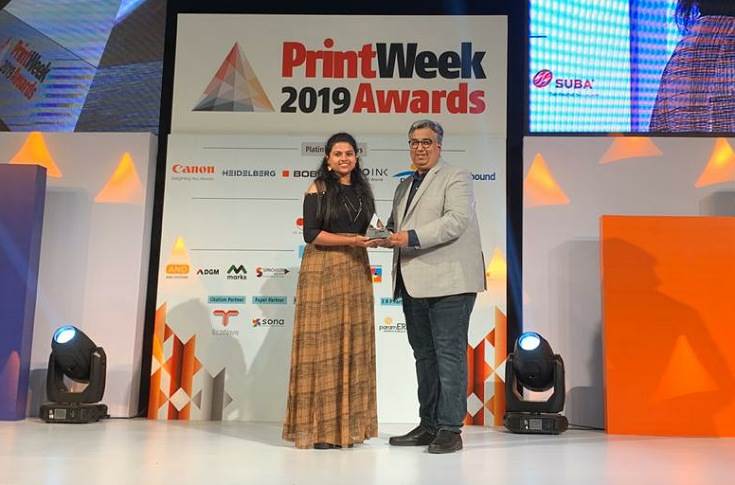
CK Gadhia of Marks giving student of year awards


The journey has just begun”. Marks Emballage has, as a part of its CSR initiative, invested in sponsoring the annual “Printweek Student of the year” award. They are very keen to backup educational initiatives for encouraging the new generation to take up print as a career. 


As he plans his way forward in the label and packaging field, Aaditya makes a fervent appeal to peers, “I would like to appeal to all the fellow label printers that we should all work with better collaboration and work with each other rather than work against each other. Together we can have great strength to backup print education to ease our recruitment needs, have complimentary print technologies to avoid idle capacities, and have a better say in purchase or sales negotiations. The advantages are just many. It is time to team up and grow the industry together. We need to increase the overall pie. While we are all doing the basics of waste management today, the need of the hour is to attack the problem from the very base. We are studying and closely following linerless labels and believe that they can be a game-changer for our industry. As per industry reports, only 5% of the laminates and self-adhesive label stock is reused or recycled. This area demands our closest attention. 


Marks Emballage is a company to watch, as an ambitious team aspires to grow 10-fold by the end next five years. With a young, dynamic leader like Aaditya Kashyap at the helm, hoping the pandemic’s after-effects soon end, this company will be moving fast to achieve targets and move tangentially, investing in technologies in synergy.


Written by Harveer Sahni Chairman Weldon Celloplast Limited New Delhi July 2021